Two Easy Ways to Start Earning Rewards!
Earn 2X Pals Rewards points at Petco
when you use Petco Pay!
Get It Today
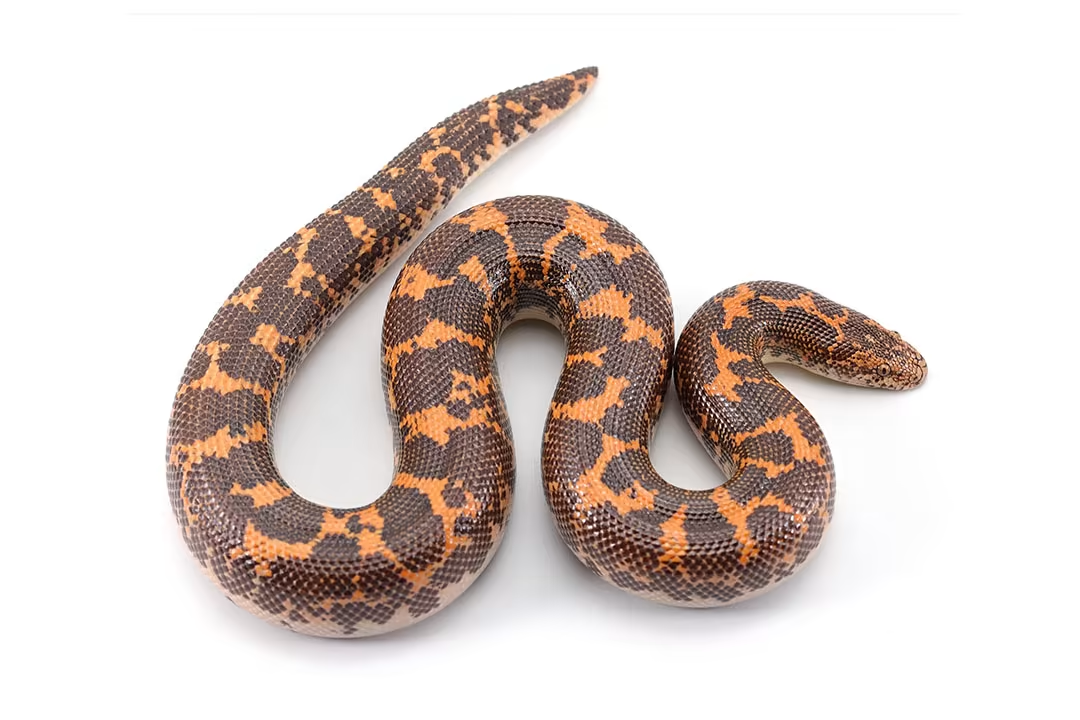
Learn how to care for a Sand Boa, recommended diet and habitat setup. Find the right food, supplies and equipment at your neighborhood Petco.
Updated on April 9th, 2026
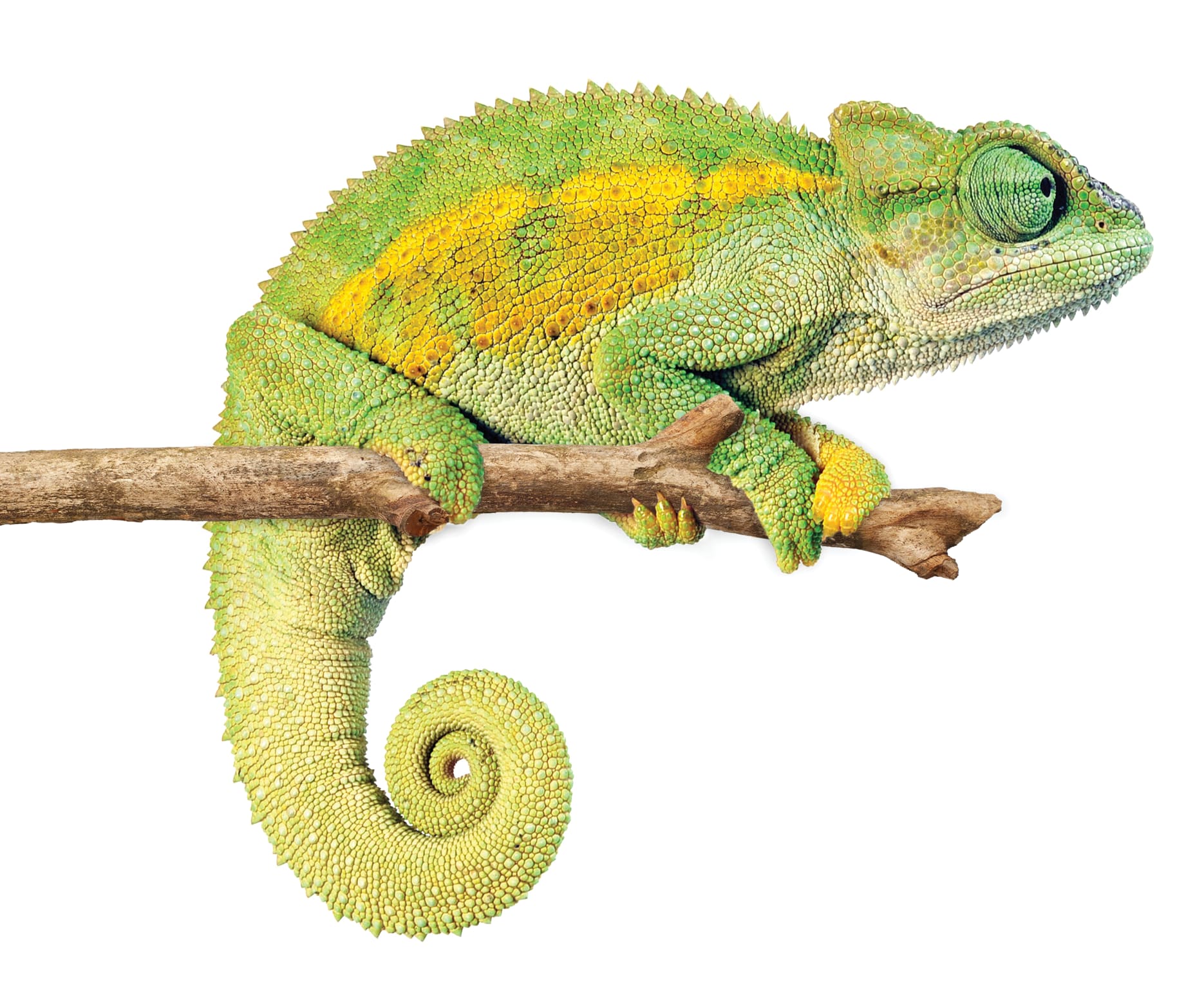
Learn how to care for cool climate Chameleons, recommended diet & habitat setup. Find the right food, supplies & equipment at your neighborhood Petco.
Updated on April 9th, 2026
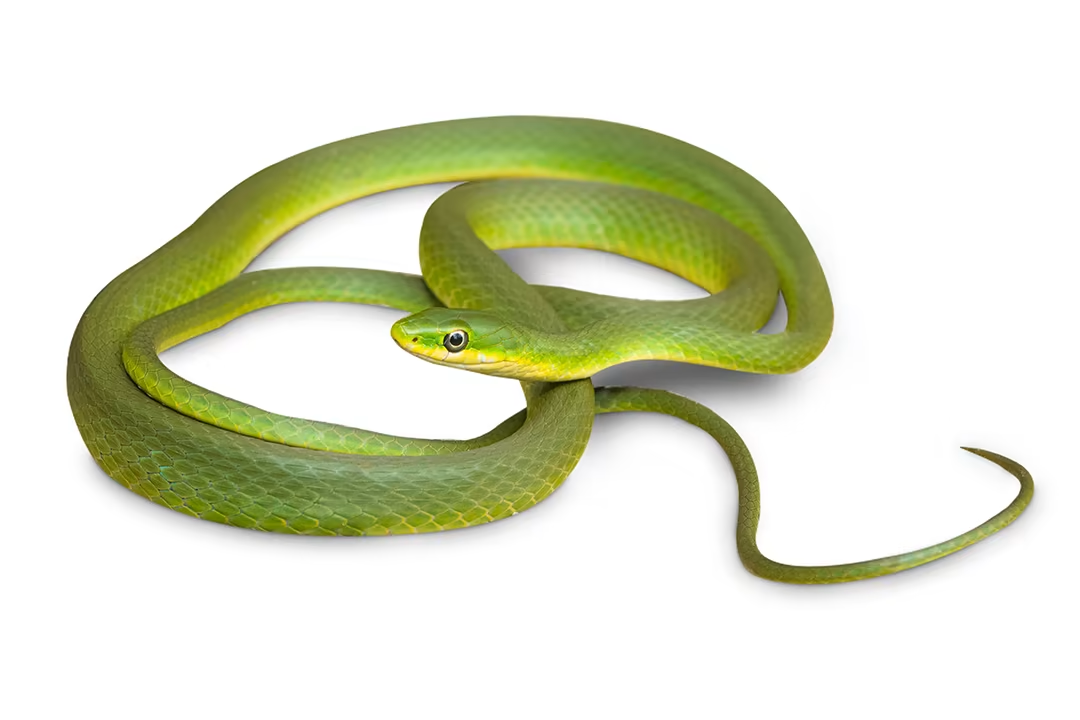
Learn how to take care of Rough Green Snakes, recommended diet and habitat. Find the right food, supplies and equipment at your neighborhood Petco.
Updated on April 9th, 2026
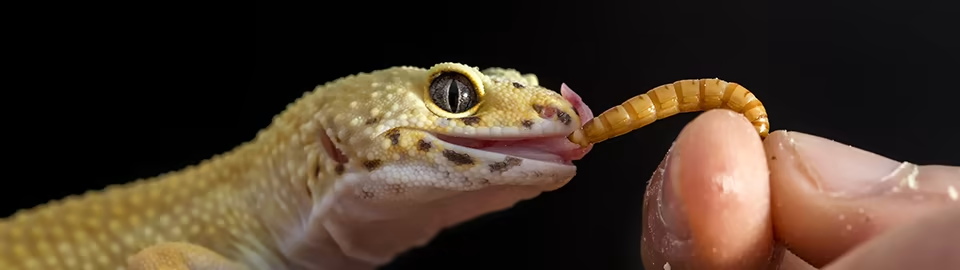
Do you have questions about what to feed a reptile? Petco has the answers! Visit us to learn about reptile dietary needs.
Updated on July 17th, 2026
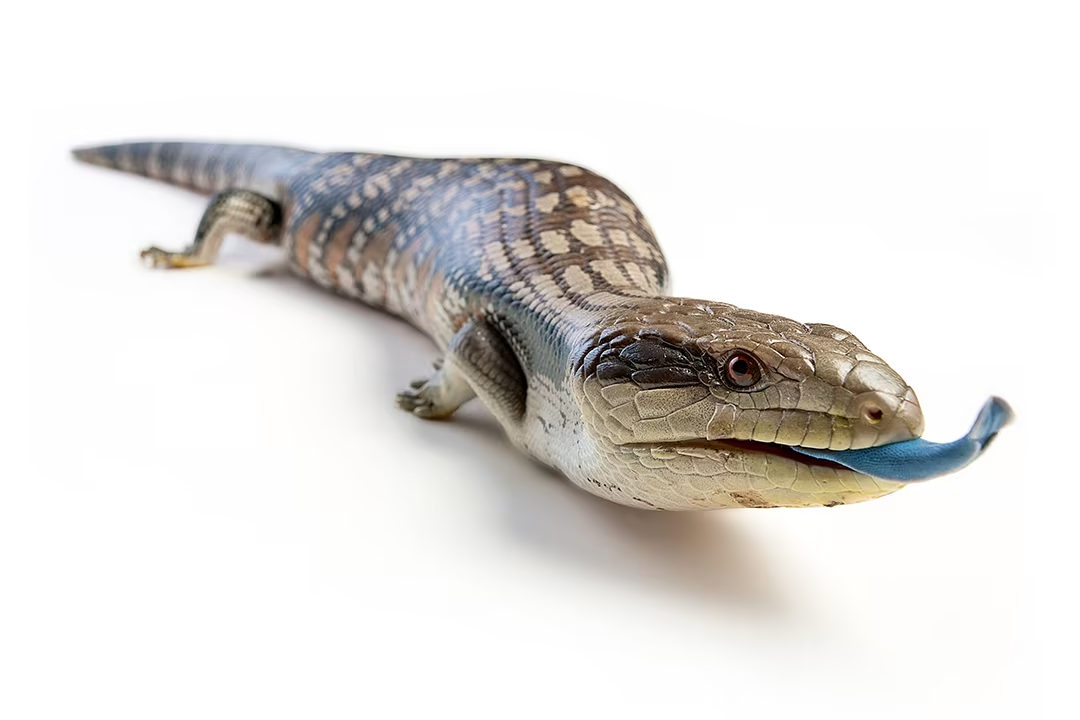
Learn how to care for Blue-Tongued Skink, recommended diet and habitat setup. Find the right food, supplies and equipment at your neighborhood Petco.
Updated on April 9th, 2026
It is too small to be used for much beyond transport, quarantine or temporary housing (i.e. during cleaning of main enclosure). The plastic construction does not allow for light or heat sources which most reptiles or exotic pets require.
Updated on September 24th, 2025
The changes to his enclosure may have caused stress. Low temps can affect digestion in reptiles. If temps were down, this could affect defecation. Try soaking him in a warm 50/50 solution of water and unflavored PediaLyte for 20-30 minutes. This will provide warmth and hydration. To stimulate defecation, gently massage the belly from front to back during the soak. If the behavior persists, consider an exam with your veterinarian or vet experienced in treating reptiles.
Updated on September 24th, 2025
Hi there,. The best starter snakes are corn snakes and red tailed boas. They don't get too large and usually have good temperaments. http://www.reptilesmagazine.com/Care-Sheets/Snakes/Corn-Snake/ https://www.petco.com/content/petco/PetcoStore/en_US/pet-services/resource-center/caresheets/red-tailed-boa.html I hope this helps!
Updated on September 24th, 2025
An adult slider should have at least 10 gallons of water per inch of shell length. Bigger is always better though, so if budget and space allow then try for a 75 or even 90 gallon tank. Provide a UVB light source unblocked by glass, plexiglass or fine mesh. Heat sources (for the water and for basking out of the water) are also necessary. A basking platform out of the water should be provided. Use a filter that is rated for at least twice the volume of any tank you choose. This will help maintain water quality. You can read more about keeping sliders at the links below. http://www.anapsid.org/reslider.html http://www.reptilesmagazine.com/Red-Eared-Slider-Care-Sheet/
Updated on September 24th, 2025
Use a background to block his view. This may prevent glass surfing or nose rubbing as well as provide more privacy/security. Again, check the temps in his enclosure to make sure it is species appropriate. Offer a variety of crickets, mealworms, dubia roaches, silkworms and wax worms. Gut load prey for 24 hours prior to offering. Dust appropriately with vitamins and minerals regularly. He may also benefit from a soak in a warm 50/50 solution of water and unflavored PediaLyte. If his appetite does not return after adjustments to environment and diet, have him examined by your veterinarian or a vet experienced in treating reptiles. Submit a stool sample to diagnose intestinal parasites or bacterial overgrowth.
Updated on September 24th, 2025