Two Easy Ways to Start Earning Rewards!
Become a member today! Members-only pricing and offers, personalized care notifications, Vital Care points back on every purchase and more!
 Become a credit card member today!
Earn 2X Pals Rewards points at Petco
when you use Petco Pay!APPLY NOWLearn More About Petco Pay Benefits
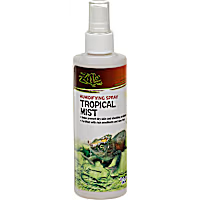
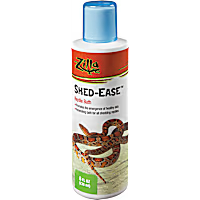
Zilla Reptile Skin & Eye Care
Get It Today



Related Articles & Questions
- Care Sheets
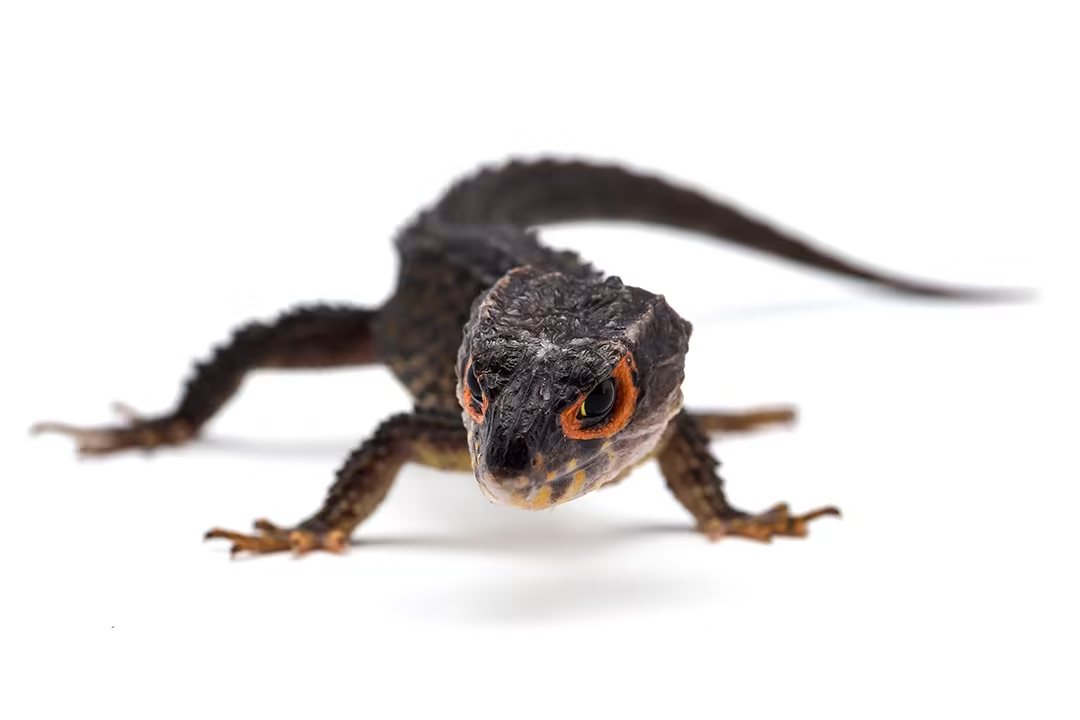
Ultimate Red-Eyed Crocodile Skink Care Guide: Habitat, Food & Health
Learn how to care for Red-Eyed Crocodile Skink, recommended diet & aquarium setup. Find the right food, supplies & equipment at your neighborhood Petco.
Updated on April 9th, 2026
- Home & Habitat
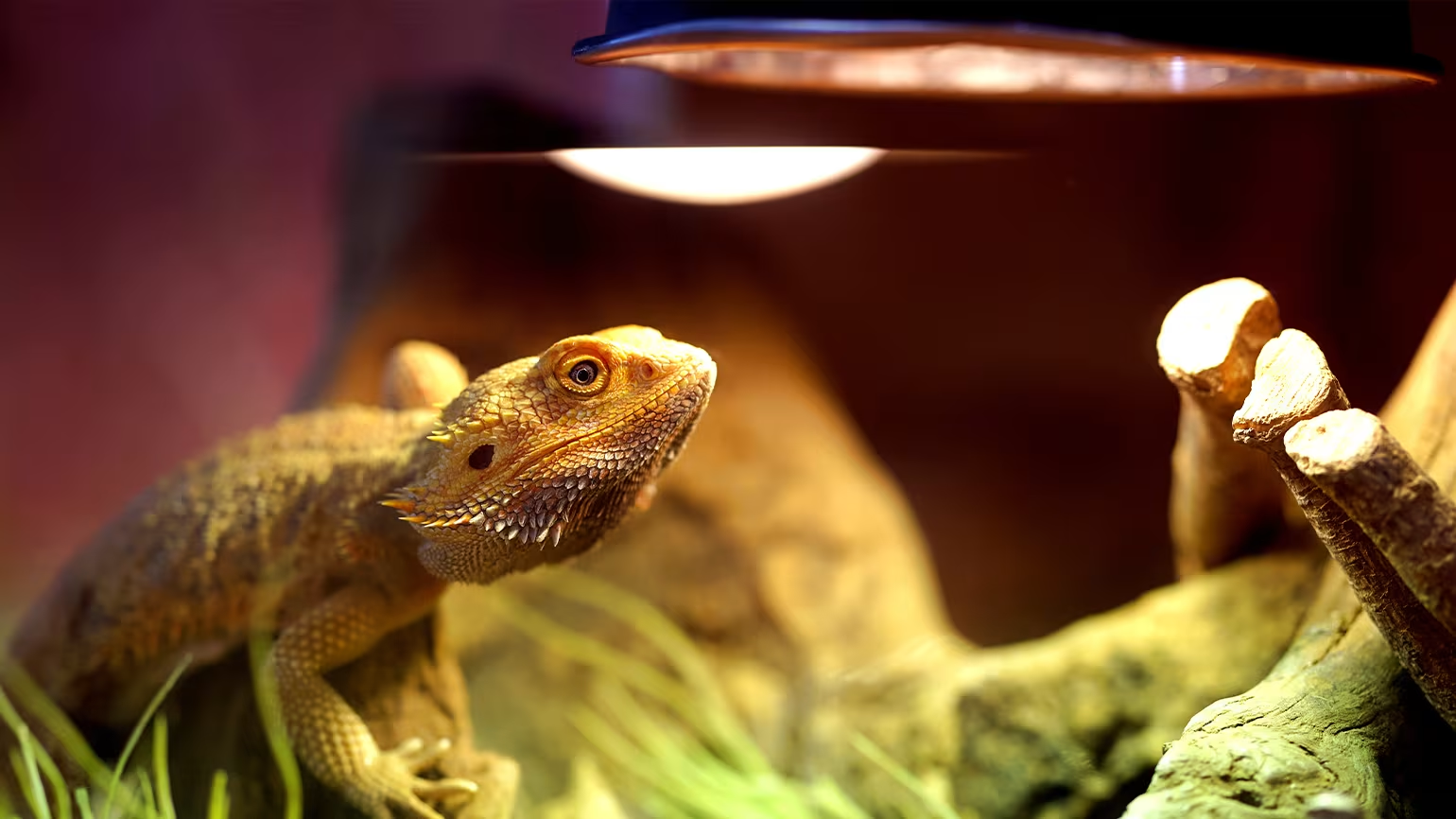
Reptile UVB Light Guide: What Every Pet Parent Needs to Know
Learn the importance of UVB light for your reptiles and the right reptile lights for your pet’s habitat.
Updated on July 17th, 2026
- New Pet
Reptile Safe Disinfectant: Clean & Disinfect Your Reptile's Home
Regular cleaning and disinfecting of your pet's cage and accessories is one of the keys to keeping your reptile healthy. Learn how often you should clean your cage.
Updated on July 17th, 2026
- Care Sheets
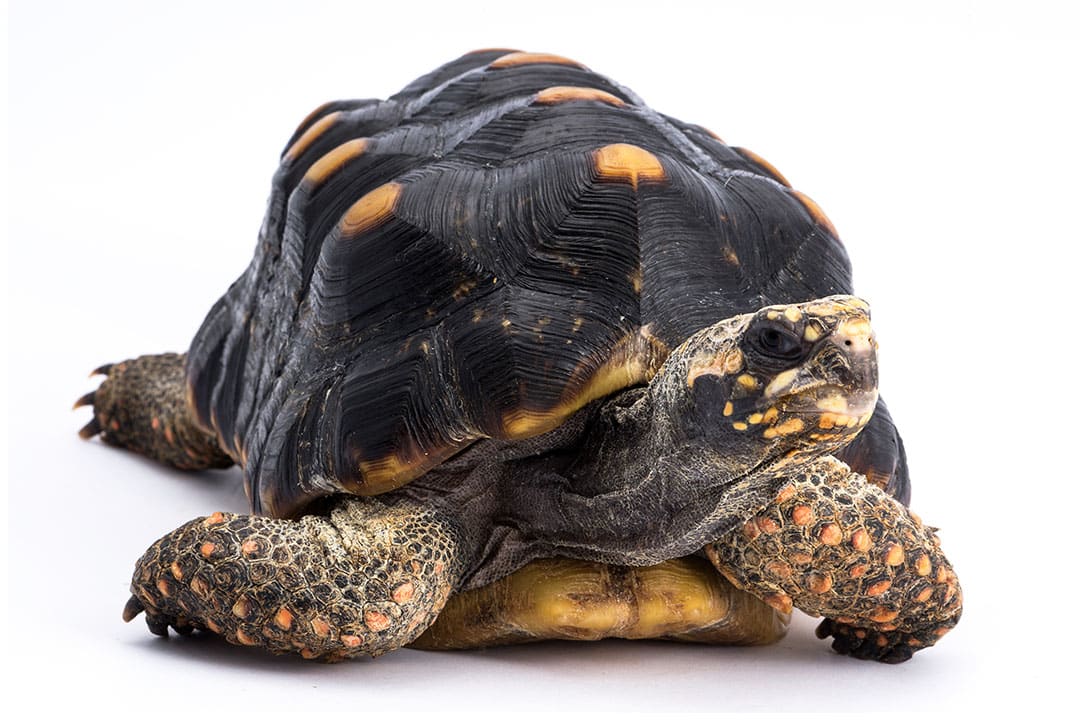
Pet Tortoise Care: Essential Guide to Food, Habitat & Health
Learn how to care for tropical tortoise, recommended diet & habitat setup. Find the right food, supplies & equipment at your neighborhood Petco.
Updated on April 9th, 2026
- Care Sheets
Tropical Gecko Care: The Ultimate Guide to Food, Habitat & Health
Learn how to care for tropical geckos, recommended diet & habitat setup. Find the right food, supplies & equipment at your neighborhood Petco.
Updated on April 9th, 2026
- Food & Nutrition
Why is my turtle's shell weak and wrinkled with skin issues?
It would appear this turtle, not a tortoise, is suffering nutritional deficiency. Reptiles require UVB lighting, either natural unfiltered sunlight or artificially produced by an appropriate light source, in a addition to an appropriate diet with adequate calcium and vitamin supplementation. All these things will aid in the development and maintenance of a health shell. The deficiency may be reversible, however the shell may be malformed for years to come if it survives. Ideally, this turtle should be examined by a veterinarian. A specialist can be consulted via phone or online to obtain proper treatment information. In general, turtles need clean water, a heat lamp for basking, a UVA/UVB light source and a dry area for basking. Most are omnivores and will eat small prey (feeder fish, worms, crickets), fresh greens and a commercial pelleted diet. As stated above, they also require calcium and vitamin supplementation. You can find general care information here: http://www.austinsturtlepage.com/Care/care.htm
Updated on September 24th, 2025
- Food & Nutrition
My 5-month-old red-eared slider has a soft shell. Should I worry?
Sam may not be getting enough calcium and UVB light exposure. This can lead to a soft shell. Make sure he has at least 30-60 minutes of exposure to full, unfiltered sunlight each day or provide a UVB light source in his tank. It should be no more than 12-16 inches from the surface of the basking area depending on the type of bulb. It should not be blocked by glass, plexiglass or fine mesh. The ZooMed ReptiSun bulb is an excellent light source. Feed a commercial pelleted diet and supplement with fresh greens and prey. Dust with a calcium supplement and a multivitamin. Leave a cuttlebone in the tank as a source of calcium that can be munched on when needed. It would appear there may be a vitamin A deficiency based on the swollen eyes in the image posted. Feed red or orange vegetables and dark, leafy greens as these contain higher levels of vitamin A. ZooMed Repti Turtle Eye Drops should also help. You can find it online or in most pet stores. The link below will provide more information regarding the care and husbandry of sliders. http://www.anapsid.org/reslider.html
Updated on September 24th, 2025
- Vet Q & A
My bearded dragon has an eye problem. What could be wrong with it?
Thanks for reaching out about Chipp and including photos. There is definately something wrong with the eye and a veterinary visit is recommended. It appears as if the eye is possible deflated, possibly due to a rupture. This could be painful and become infected. A veterinary visit is highly recommended to assess and provide a diagnostic/treatment plan. Remove any substrate in the enclosure that can stick or contaminate the eye. Clean cloths or Repti-carpet work well. Good luck.
Updated on September 24th, 2025
- Vet Q & A
My leopard gecko's eye injury: How long to heal and get him to eat?
Superficial injury may heal within 7-10 days. Deeper, more serious injury, such as ulcers, can take weeks. You can use EmerAid or similar product to supplement the diet. The abrasion (?) May indeed be from rough feeding. Gently tap him on the nose with prey to elicit a strike. Once he has the cricket or mealworm in his mouth, he should be fine. You can soak him in a warm 50/50 solution of water and unflavored PediaLyte to prevent or treat mild dehydration. Increasing enclosure temperatures slightly (by 5-10 degrees F) may aid in healing.
Updated on September 24th, 2025
- Training & Behavior
My gecko's eye has a film and bubble. Is this a retained shed?
This looks like it may be a retained eyelid lining from an improper shed. It would be best to have him examined by a vet. Eyes are very delicate and you can really damage the eyeball if you treat him incorrectly at home.
Updated on September 24th, 2025