Two Easy Ways to Start Earning Rewards!
Earn 2X Pals Rewards points at Petco
when you use Petco Pay!
Get It Today
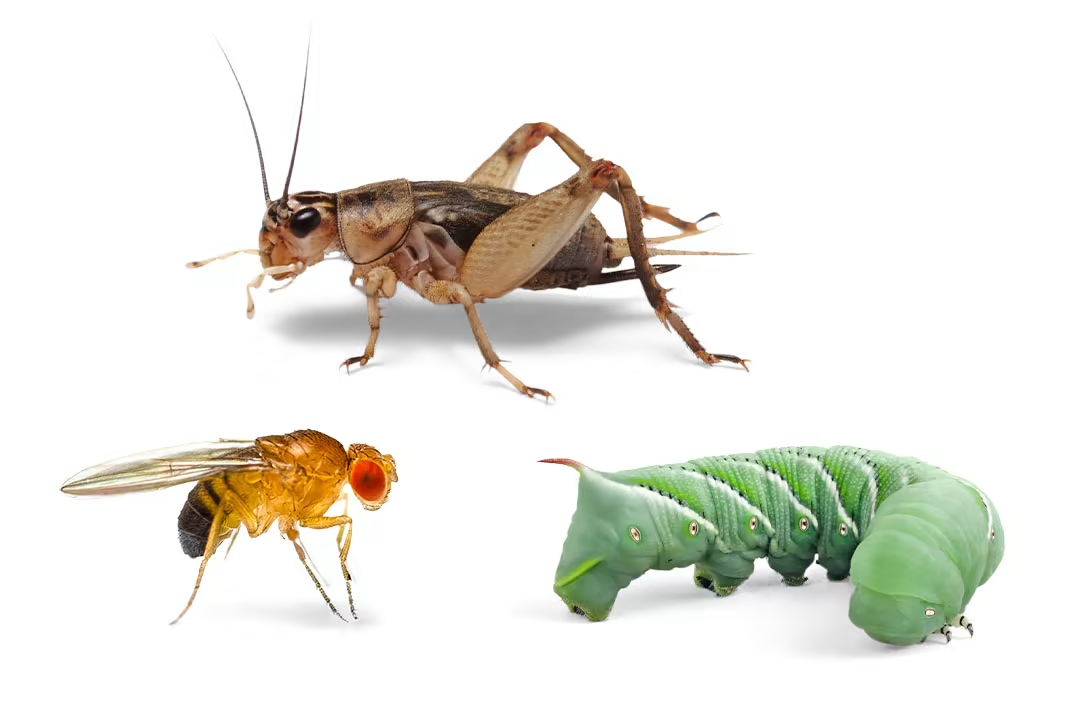
Learn about live insects for reptile feeding, recommended diet & habitat setup. Find the right food, supplies & equipment at your neighborhood Petco.
Updated on April 9th, 2026
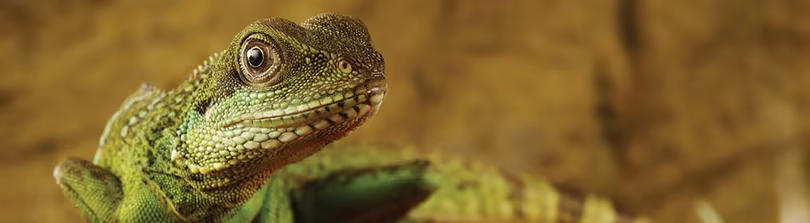
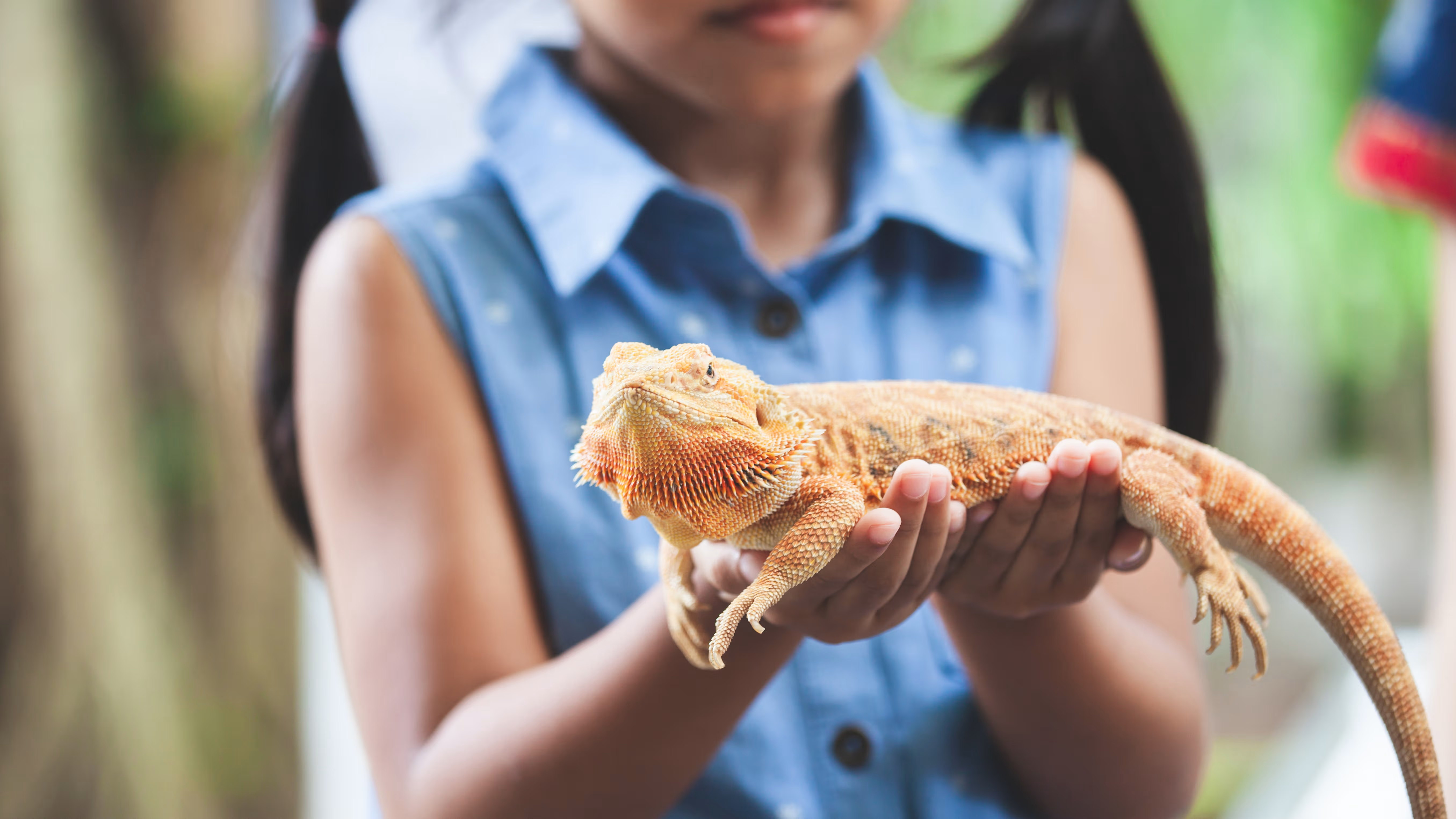
Read these guidelines about handling reptiles to provide a safe and fun environment for your pet, friends and family.
Updated on July 17th, 2026
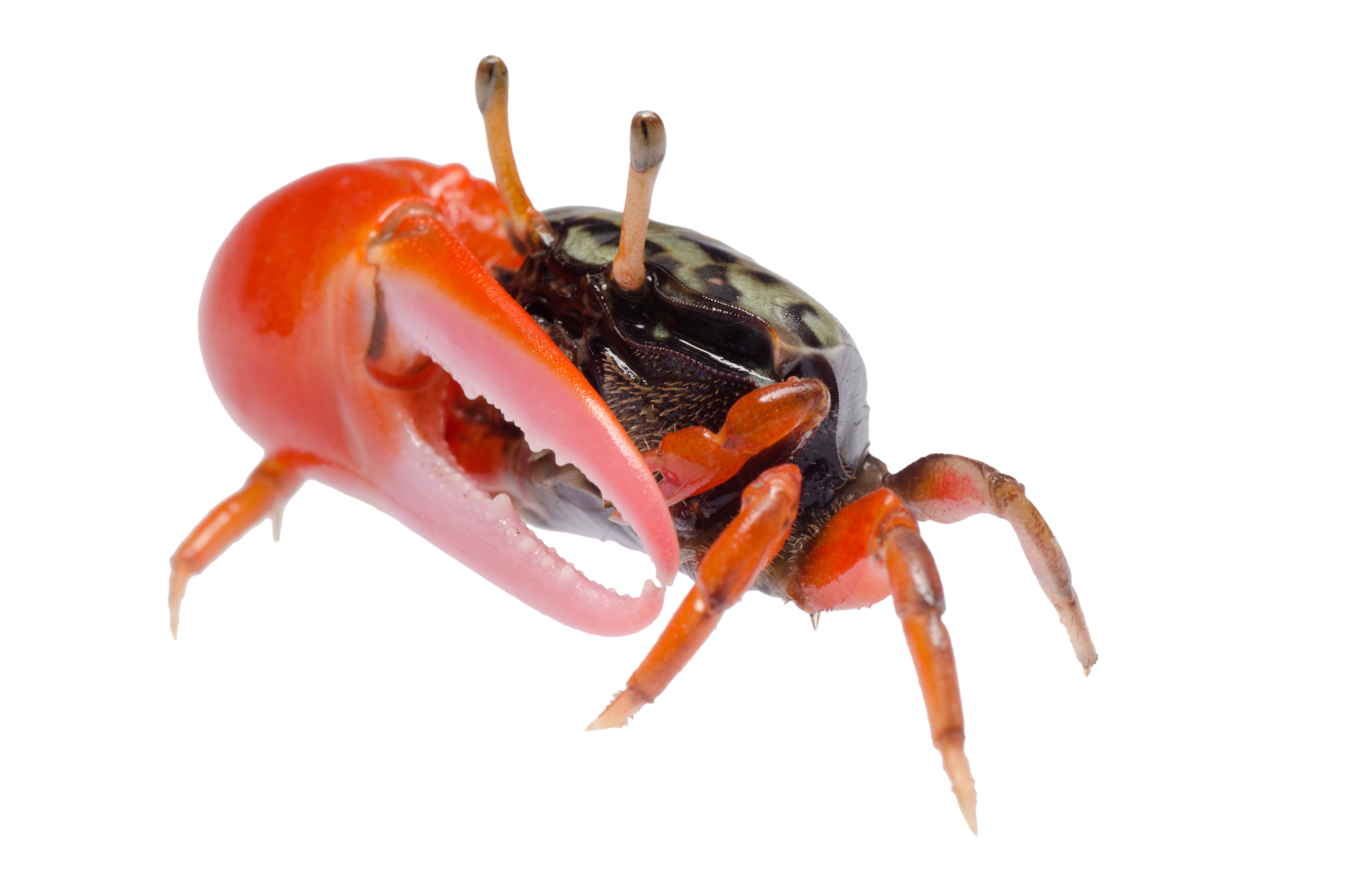
Learn how to care for freshwater crab, recommended diet and aquarium setup. Find the right food, supplies and equipment at your neighborhood Petco.
Updated on April 9th, 2026
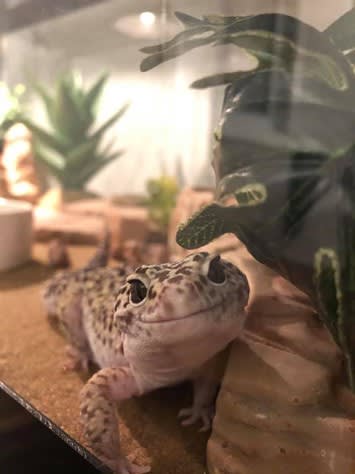
Picking the best leopard gecko substrate can be an overwhelming task; learn about some great options to help your leopard gecko live a happy & healthy life!
Updated on June 19th, 2026
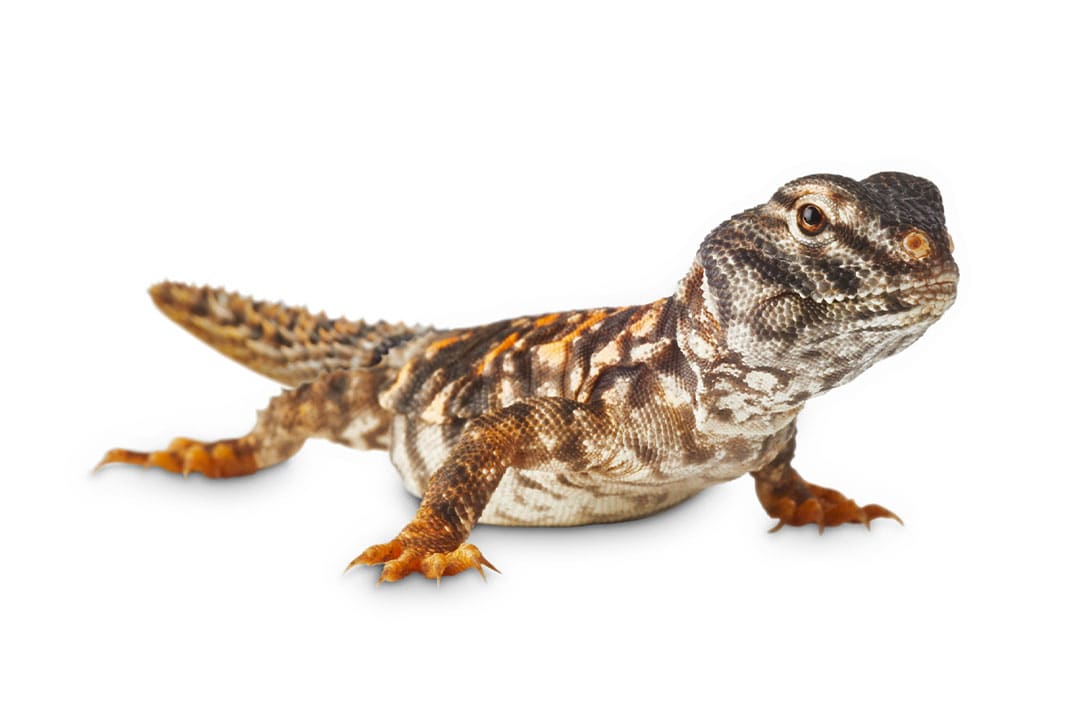
Learn how to take care of Saharan Uromastyx, recommended diet and tank setup. Find the right food, supplies and equipment at your neighborhood Petco.
Updated on April 9th, 2026
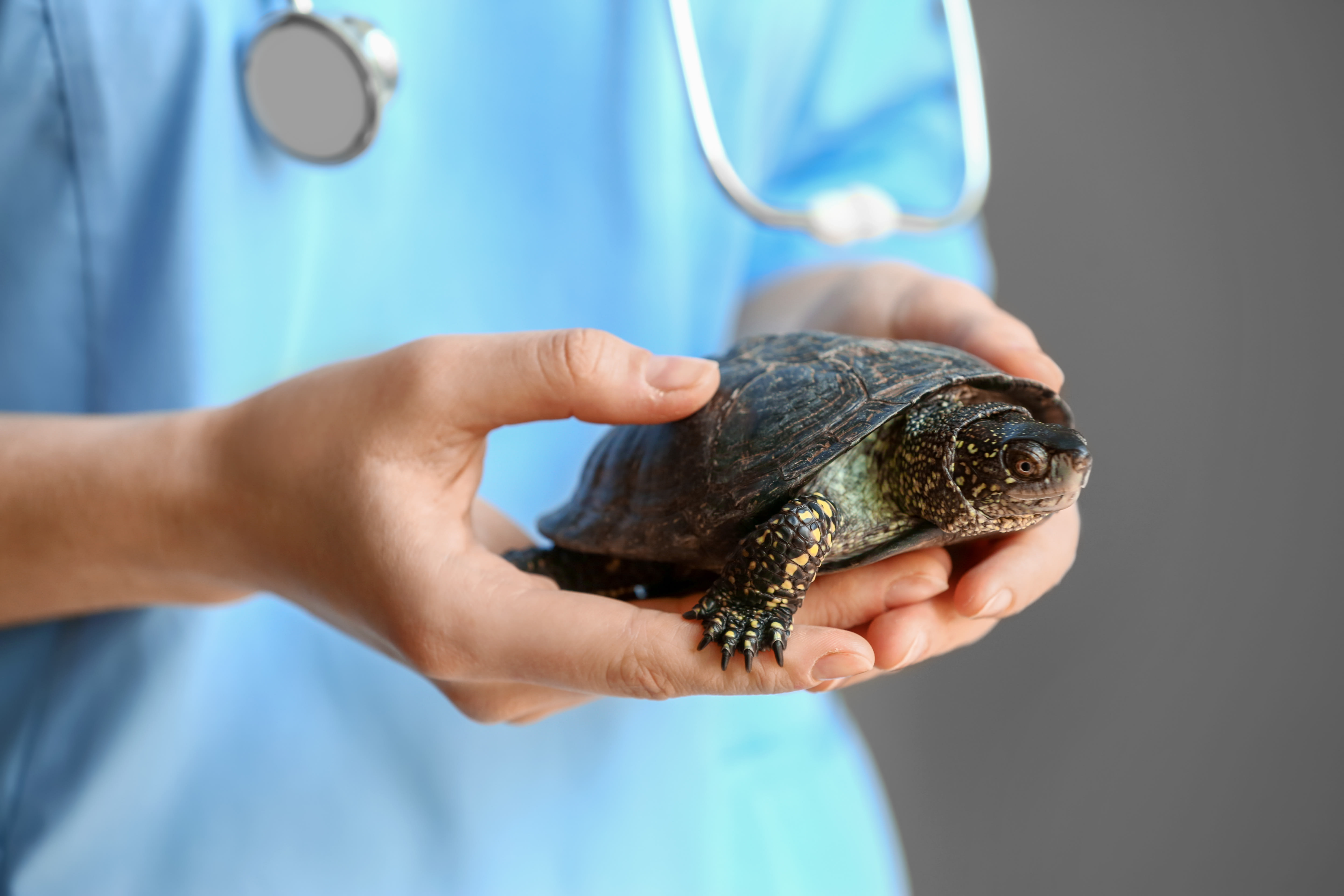
That hinge on her plastron (bottom shell) is normal. It is supposed to appear "split". That allows her to close up securely when she retracts her head. These turtles do not get as big as other species, but a 10 gallon tank is too small. She also needs a UVB light source. Windows will block most of the sun's beneficial rays. You can find a UVB light source in most pet stores. A popular brand is the ZooMed ReptiSun light. They are good eaters, eating a wide variety of animal protein, plant matter and commercial diets. The link below leads to a care sheet providing additional information. http://www.reptilesmagazine.com/Three-toed-Box-Turtle-Care-and-Information/
Updated on September 24th, 2025
Here are some tips on how to care for pets who require continuous heat, such as reptiles and snakes: - Before a power outage, if possible, buy a generator. This will allow you to keep your reptiles warm during the outage. - Amphibians will do okay without heat for a period of time. Try to limit the number of times you open the habitat. - For a heat source, you can go to your local sporting goods store and purchase the heat packs used to warm feet and hands. These can be placed underneath the habitat (just like you would place an electric heating pad). This will allow your reptile to get heat. Do not put the pack into habitat with the reptile. - Another way to warm cold reptiles is to use a pillowcase. Place the reptile gently in the case and place the pillowcase next to your body under your shirt for warmth. - Pillow cases can also be used to transport reptiles if needed. - Do not feed your reptile as they need heat to digest their food. - You can save plastic milk containers and put warm water in them and place in the habitat for warmth. You can heat water on a BBQ grill or your hot water heater. Be careful not to use hot water, as it could burn your reptile. - Be advised that most reptiles will do fine with cooler temperatures; they go into a body slow down, so the temperature change won't hurt them for a short period of time: 24 - 48 hours. - Contact friends that have power and see if you can move your animals to their homes. - It is important to plan ahead of a power outage and have these items on hand to care for your reptiles. Additionally: Usually, IF a reptile needs to be kept warm during a short outage (few days or less), it is recommended that you place them into a small cooler (those little $5 styro ones can work) in a small container. A plastic shoebox or sandwich container can work, with some air holes. Hand warmers, hot water bottles, etc. can be placed into the cooler as well. This will form a very insulated area with a small amount of volume to heat. Be sure there is ventilation provided, though, as the hand warmers can suck oxygen from the air for the chemical reaction. This is a method that can be carried out for a relatively long period of time if necessary, and a digital thermometer with a probe can be placed in with the reptile and monitored from the outside, so you don't have to open the cooler and let out the warmth to check that the heat packs are still working. In all honesty, though, all but the most tropical reptiles can go a few days with temperatures into the 50's or 60's.
Updated on September 24th, 2025
Hi there! We have a Crested Gecko and have so much fun with him! Don’t worry, they are a great starter reptile and are pretty easy to keep. In the winter we use a red light to keep the tank warmer, but not a specific heat lamp. This keeps the tank warm enough without getting too hot. Also very important is the humidity of the tank. Keeping it spritzed several times a day is necessary. We started with a tank your size and it probably would have been just fine long term, but we ended up purchasing a larger tank because we wanted a different look. Best of luck and have fun with your crestie! Thank you for using Pet Coach.
Updated on September 24th, 2025
He should be eating some greens and vegetables as well. Avoid the fish flakes as they are high in protein. Use both a multivitamin powder and a calcium powder on the food. Rep-Cal and Zoo Med products can be found in the local Petco. Make sure the UVB light is not blocked by glass, plexiglass or fine mesh. Depending on the strength of the bulb, place the source between 12 and 18 inches from the surface of the basking area. Provide a piece of cuttlebone to float in the tank as a calcium supplement for when he wants to munch it. If you can provide the species of turtle in a new post, we may be able to provide more accurate and comprehensive advice.
Updated on September 24th, 2025
It is okay for nighttime temps to drop a bit. Make sure they don't go lower than the low 70s F. Consider a thermometer at each end of the enclosure to verify temperatures. If necessary, a 60 watt CHE would probably heat or maintain temps above the low 70s F in a small tank overnight. You would need to test it out. Save the receipt in case you need to return it or buy a 100 watt CHE and move it farther away from the tank.
Updated on September 24th, 2025