Two Easy Ways to Start Earning Rewards!
Earn 2X Pals Rewards points at Petco
when you use Petco Pay!
Get It Today
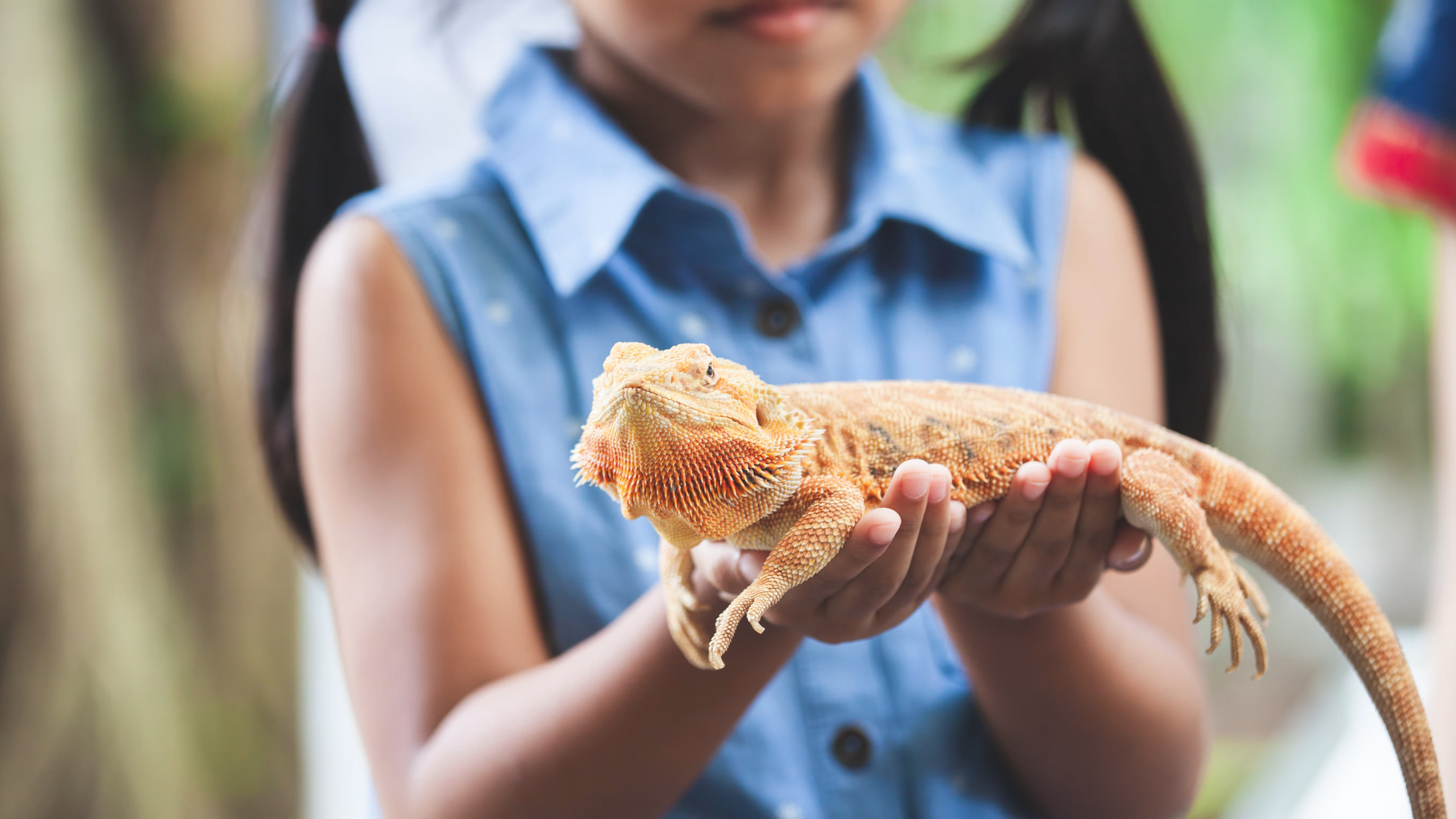
Learn how to setup your reptiles terrarium to ensure your reptile lives a wholesome & happy life. Shop at your local Petco for all reptile terrarium needs.
Updated on July 17th, 2026
Picking the best leopard gecko substrate can be an overwhelming task; learn about some great options to help your leopard gecko live a happy & healthy life!
Updated on June 19th, 2026
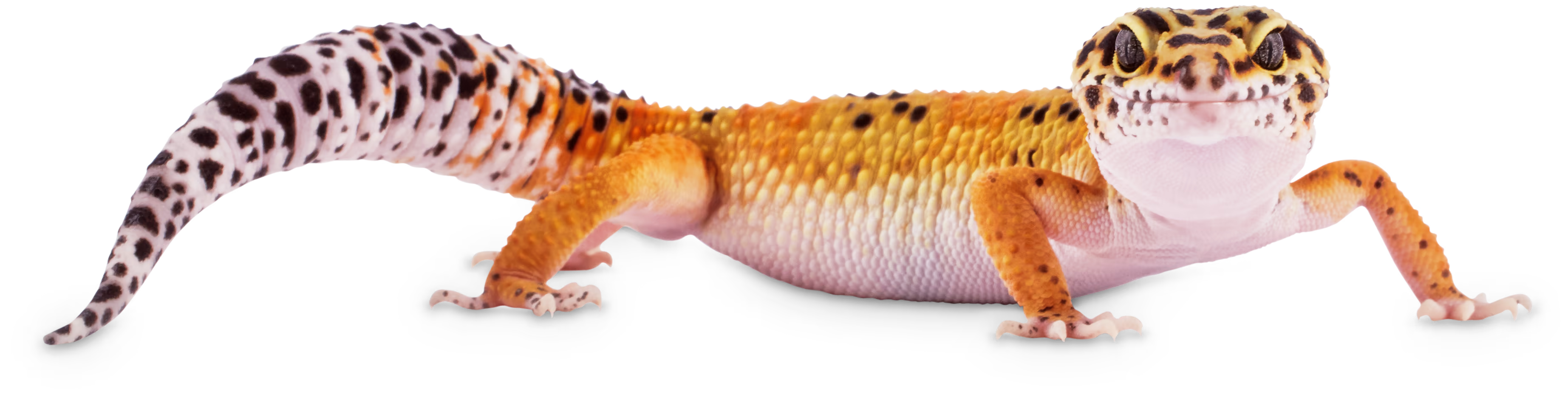
Learn how to care for a Leopard Gecko, recommended diet and habitat setup. Find the right food, supplies and equipment at your neighborhood Petco.
Updated on April 9th, 2026
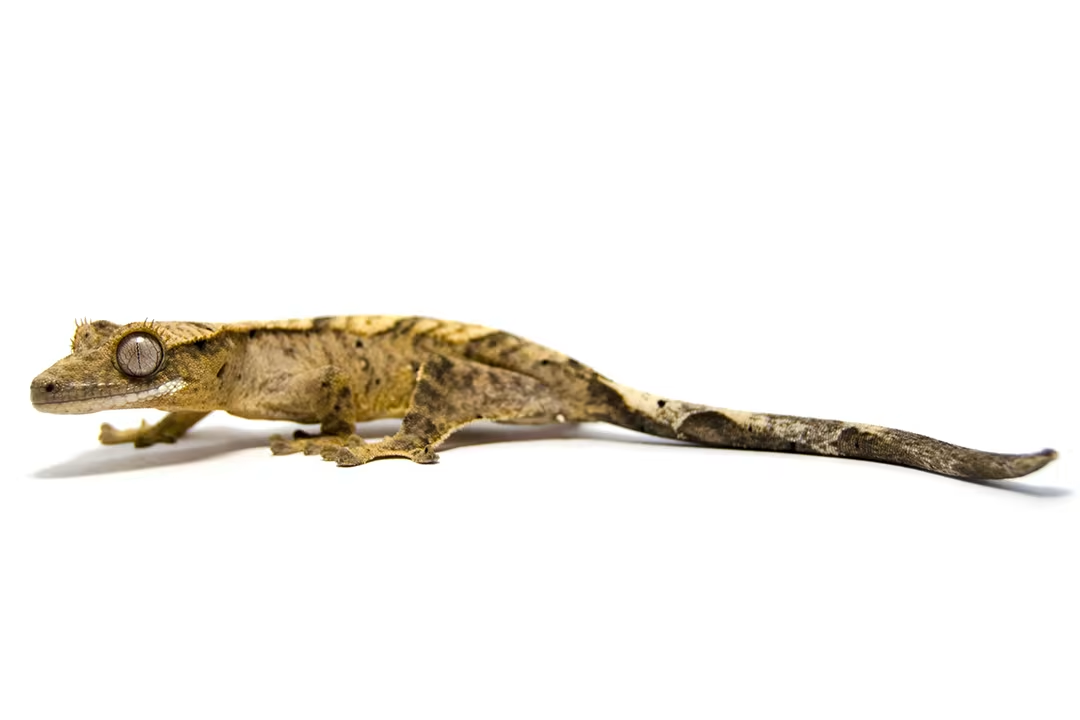
Learn how to take care of your Crested Gecko, tank size, diet & habitat setup. Find the right food, supplies and equipment at your neighborhood Petco.
Updated on December 22nd, 2025
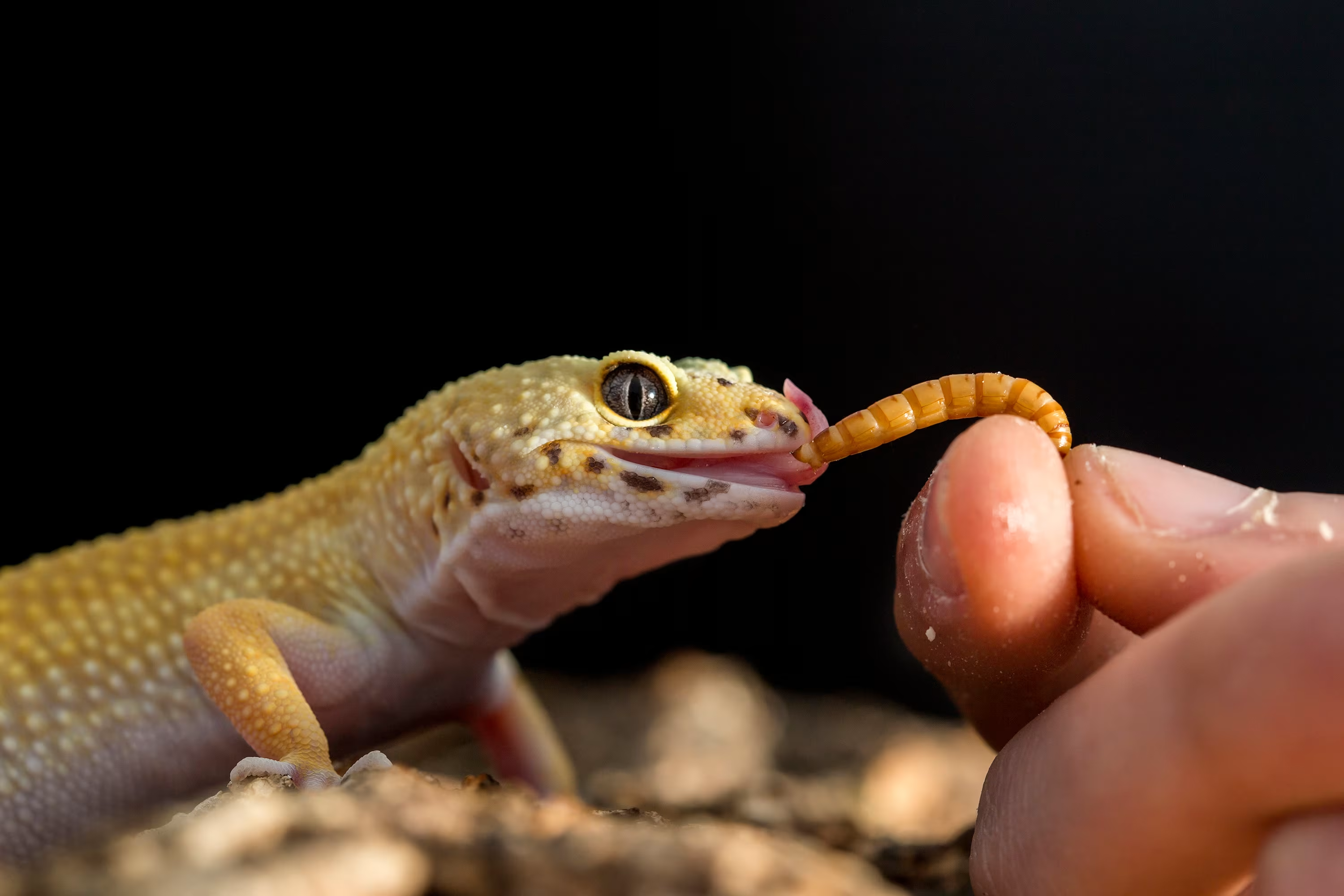
Learn some fun facts about leopard geckos, available at Petco. There’s lots to learn about these fun and fascinate pets.
Updated on October 23rd, 2025
A 10 gallon tank can be purchased in the local Petco for less than twenty dollars ( https://www.petco.com/shop/en/petcostore/product/fish/fish-aquariums-kits/aquariums-up-to-ten-gallons/aqueon-standard-glass-aquarium-tank-10-gallon ). It would be easier to keep and secure than a laundry hamper. Given the temps required for geckos, plastic may not be the best option either. You will need a a heat lamp for day use and maybe a heat source if nighttime temperatures drop below 70 F. You can use slate, reptile carpet, plain paper towels or a coconut fiber substrate. Review gecko care at the link below. http://www.reptilesmagazine.com/Care-Sheets/Lizards/Leopard-Gecko/
Updated on September 24th, 2025
Leopard geckos are great "starter" reptiles. They don't require special lighting (UVB) like other reptiles. A 20 gallon tank is big enough for one. Add a heat source, hides and a water bowl and you are good to go. You can review gecko care at the links below. http://www.reptilesmagazine.com/Care-Sheets/Lizards/Leopard-Gecko/ http://www.anapsid.org/leopardgek.html
Updated on September 24th, 2025
Leopard geckos are nocturnal. He may be more active at night, while you are asleep. They spend most of the day in a secure place, such as the hide you have provided. He should have a hide on each end of the enclosure. Monitor the cage temp, as low temps can affect activity in reptiles.
Updated on September 24th, 2025
Thanks for reaching out about Blu. It sounds as if he is being secretive or scared. Is he housed alone? Is his terrarium in a high traffic area? If yes to either of these, that situation might have to be corrected. Check environmental temperature in the whole exhibit. Good luck.
Updated on September 24th, 2025
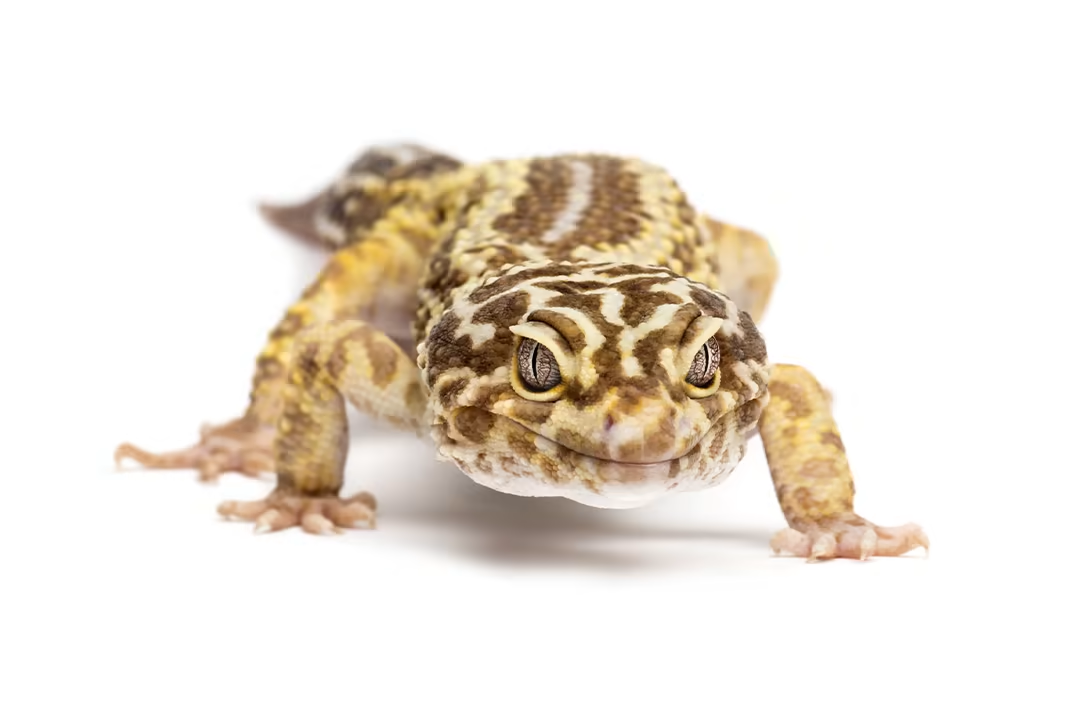
Most species of geckos, being nocturnal, do not require UVB lighting. Being cold blooded though, they do need a heat source. Your body temp will not be sufficient for good health. Replace the light/heat source with an appropriate bulb. You can easily buy one online or at most pet stores. Low temps will stress him which can lead to illness. Low temps also affect appetite activity and digestion. Sexing geckos is fairly easy. An adult male will have a bulge behind the vent that is very noticeable. You will also see a row of femoral pores shaped like a "V" in front of the vent in male geckos. Since he is going into a shed, provide a moist hide in the enclosure and/or increase the humidity temporarily. These two species look similar but there are differences. To help with identification, closely exam your gecko. Leos will lose their bands and develop spots, hence the name, as they mature. They also get much bigger than banded geckos. Leos also have rougher, bumpier skin as opposed to a banded gecko's smoother skin. If you post a picture of him on his profile, we can possibly determine what species of geckos you own.
Updated on September 24th, 2025