Two Easy Ways to Start Earning Rewards!
Earn 2X Pals Rewards points at Petco
when you use Petco Pay!
Get It Today
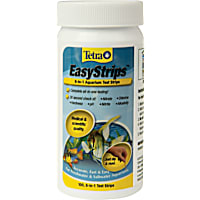
Learn how to safely handle your aquatic life to avoid toxin & bacterial exposure. Find aquatic life care supplies at your neighborhood Petco pet care center.
Updated on October 23rd, 2025
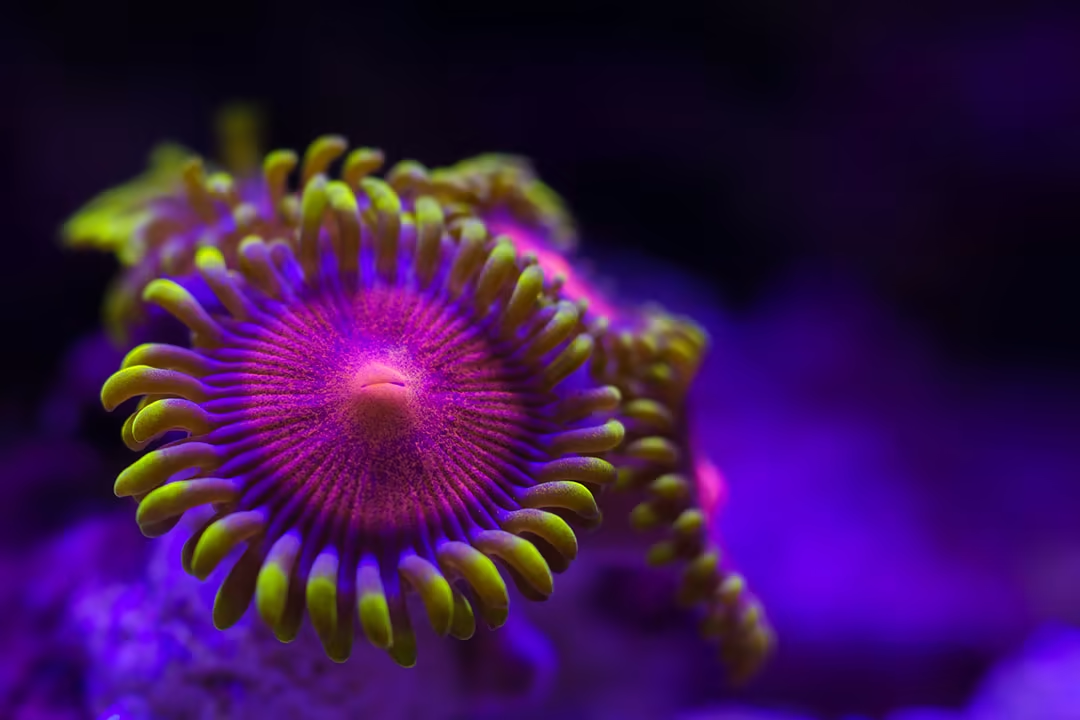
Learn how to care for soft coral, recommended care & habitat setup. Find the right food, supplies & equipment at your neighborhood Petco.
Updated on April 9th, 2026
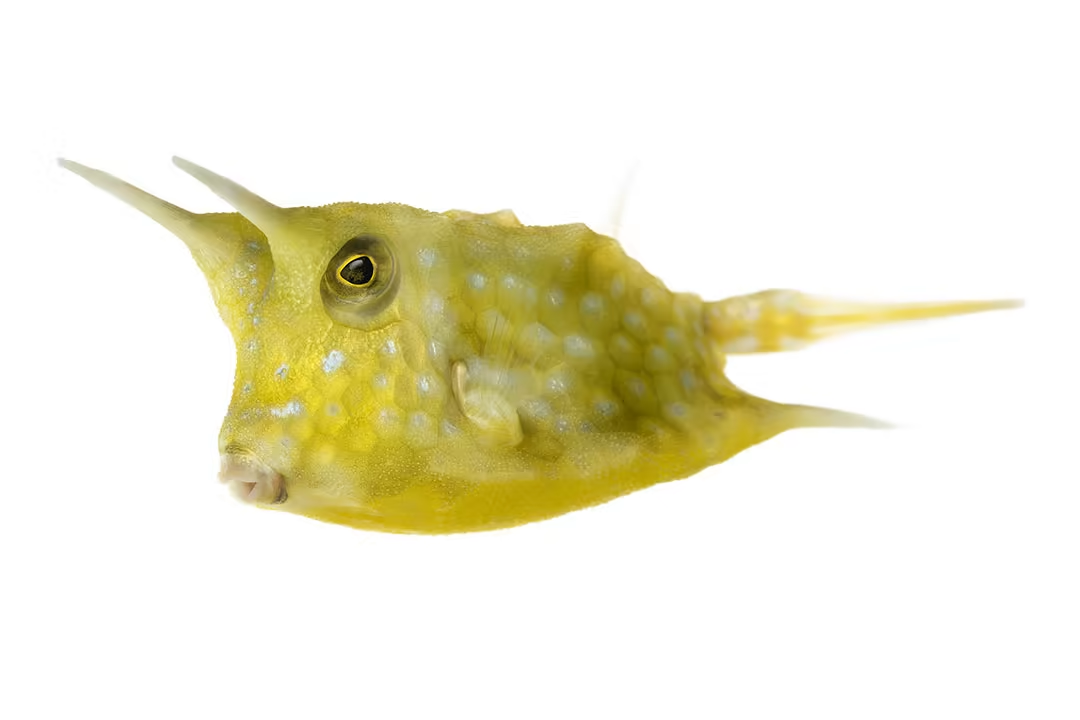
Learn how to care for Boxfish & Cowfish, recommended diet and aquarium setup. Find the right food, supplies and equipment at your neighborhood Petco.
Updated on April 9th, 2026
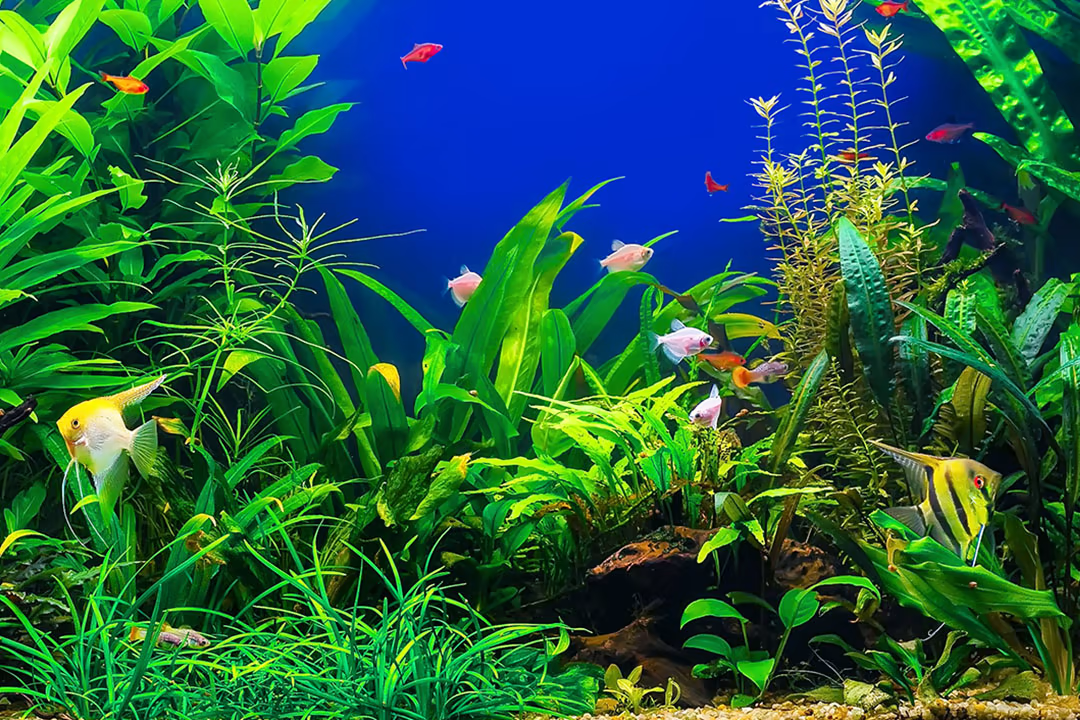
Before establishing an aquarium at home, learn more about the basics of fish care.
Updated on June 19th, 2026
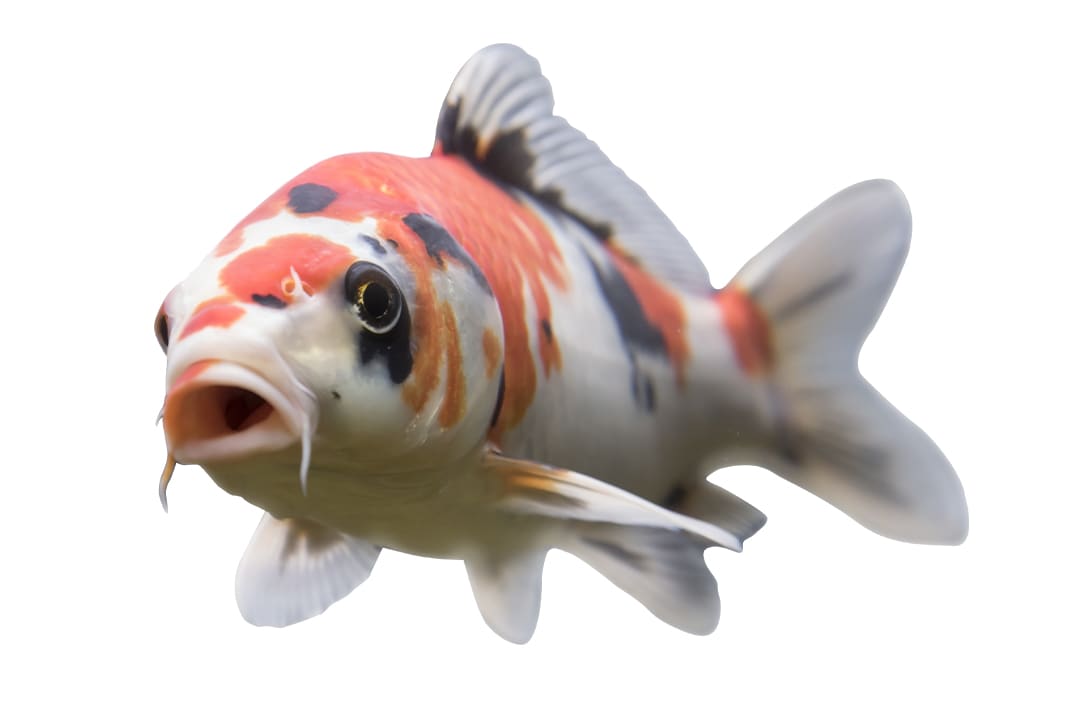
Learn how to care for a Koi, recommended diet and aquarium setup. Find Koi for sale, supplies and equipment at your neighborhood Petco.
Updated on April 9th, 2026
It depends on how big the tank is as well as the type of filter in use. Smaller tanks and more heavily stocked tanks will require more frequent water changes, about 20% every week or two. Check the chemistry (ammonia, nitrites, nitrates, pH) regularly. This will give you a better idea of when to perform tank maintenance. Tetras and platys are schooling fish and ideally, do better in groups of at least 5 or six.
Updated on September 24th, 2025
Do not use plain aquarium salt or table salt. To make brackish water, you need marine salt. You will also need a hydrometer to measure specific gravity. A hydrometer can be found in the aquarium section of most pet stores They cost $15 or less. Depending on the species of fish you have, brackish water will need a SG between 1.005 and 1.010. One tablespoon of marine salt per gallon of water will create brackish water at the lower end of the SG range. Yes, you will need a conditioner to remove chlorine and chloramine before you add the marine salt.
Updated on September 24th, 2025
This could be bacterial or parasitic infection. It is difficult to determine definitively since the image provided is not clear. Fish can be difficult to photograph. Basic care includes checking water quality and chemistry. This can be done using a home test kit or by submitting a water sample for testing. The local Petco may do this for free or for a small fee. There should be an absence of ammonia and nitrites with nitrates at 20-60 ppm. pH should be as close to 7 as possible, avoiding large swings. Koi can tolerate a wide range in temperature, but generally do best between 65 F and 75 F. Again, avoid large swings in temperature to prevent stress or shock. If necessary, a partial water change can be done to stabilize chemistry and/or improve water quality. If you have other koi, consider placing this one in a hospital tank to make treatment easier and to prevent spread if the condition is infectious. Plain aquarium salt (NOT table or Epsom salt) can be used to reduce stress, improve gill function, treat minor infection and aid in recovery. Dissolve 1 tablespoon per 5 gallons of water in a cup or two of tank water and gently pour it into the tank. Treat for 14 days then reassess the condition. If there is no change, consider a broad spectrum antibiotic or "all in one" treatment. Either can be found in the Aquarium section at Petco. Follow label directions carefully and remove the carbon filter insert during treatment if indicated. All that said, if the spots multiply and appear like tiny grains of salt, it could be an ich infection. In this case the entire tank will require treatment. There are several commercial ich medications that can be used. You will also need to thoroughly vacuum the substrate/gravel in the tank and wipe down all tank furniture.
Updated on September 24th, 2025
Water conditioning can be complicated and I recommend to stop by your local aquarium store. They are most often familiar with the local water quality and can give recommendations specific to your location. Some areas need buffering solutions to help control things like the water pH. Here are a few links which may help answer some of your questions about water condition: https://www.aqueon.com/articles/freshwater-aquarium-water-quality https://www.petcoach.co/article/aquarium-water-management-alkalinity-vs-water-hardness/ Before moving your goldfish, make sure all the conditions are appropriate for goldfish: https://www.aqueon.com/information/care-sheets/goldfish https://www.petcoach.co/article/how-to-help-your-new-goldfish-thrive/ I hope this helps and please feel free to post any additional questions.
Updated on September 24th, 2025
Thanks for reaching out. Have you tested water quality for pH, ammonia, nitrite and nitrate. Correct problems. Don't see any signs of external lesion on the pictures, except fine erosion, and possible gravid fish. A veterinary visit is probably needed to trouble shoot for disease. Randomly adding chemicals to the water could have detrimental effects. Good luck.
Updated on September 24th, 2025