Two Easy Ways to Start Earning Rewards!
Become a member today! Members-only pricing and offers, personalized care notifications, Vital Care points back on every purchase and more!
 Become a credit card member today!
Earn 2X Pals Rewards points at Petco
when you use Petco Pay!APPLY NOWLearn More About Petco Pay Benefits
Rep-Cal Tortoise Food
Get It Today



Related Articles & Questions
- New Pet
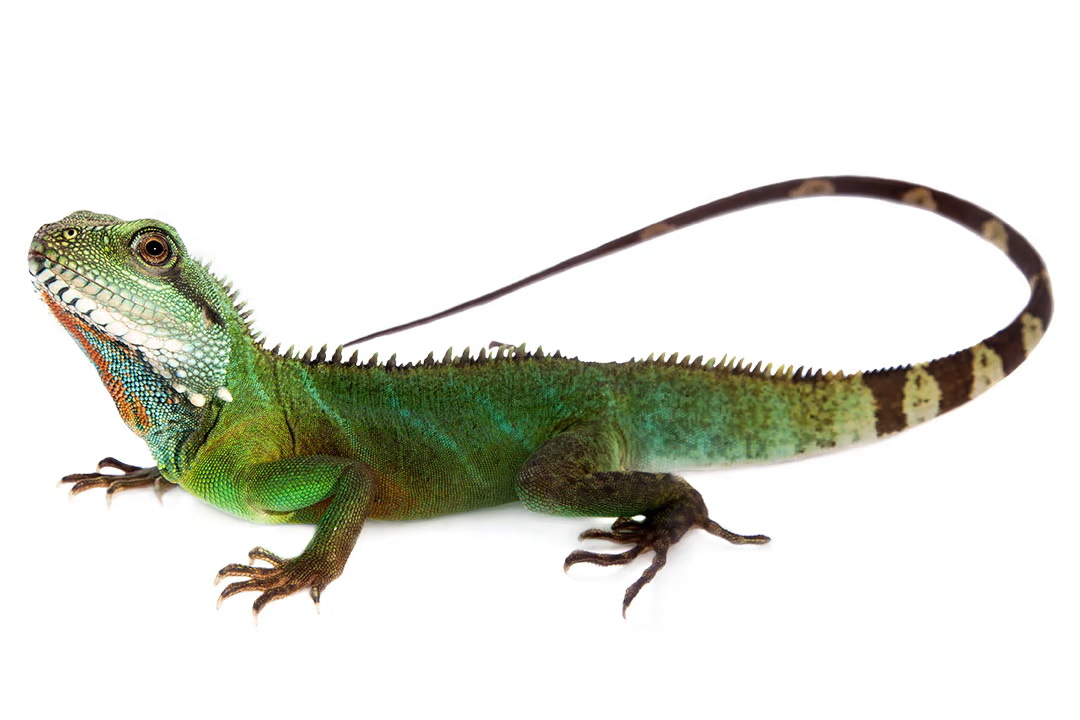
Ultimate Tropical Lizard Care: Habitat, Food & Health for a Happy Pet
Learn how to care for tropical lizards, recommended diet & habitat setup. Find the right food, supplies & equipment at your neighborhood Petco.
Updated on October 23rd, 2025
- New Pet
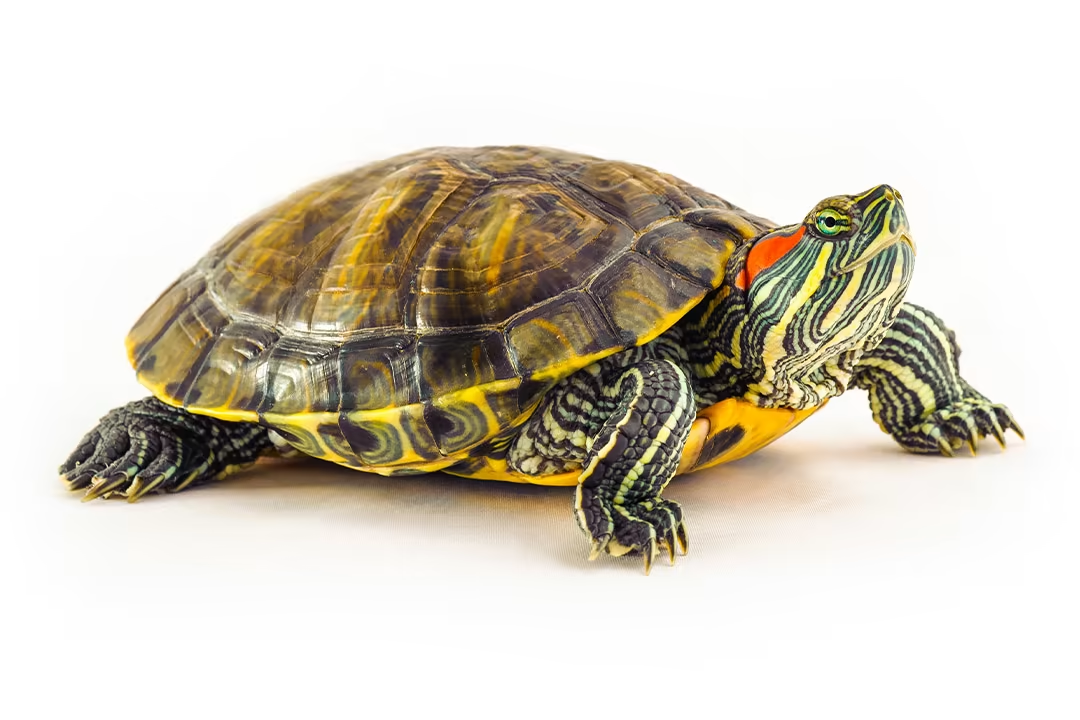
Aquatic Turtle Care: Master Tank, Food & Health for a Healthy Pet
Learn how to care for aquatic turtles available at Petco. Care Sheets provide you with essential info on how to best take care of these interesting pets.
Updated on December 21st, 2025
- New Pet
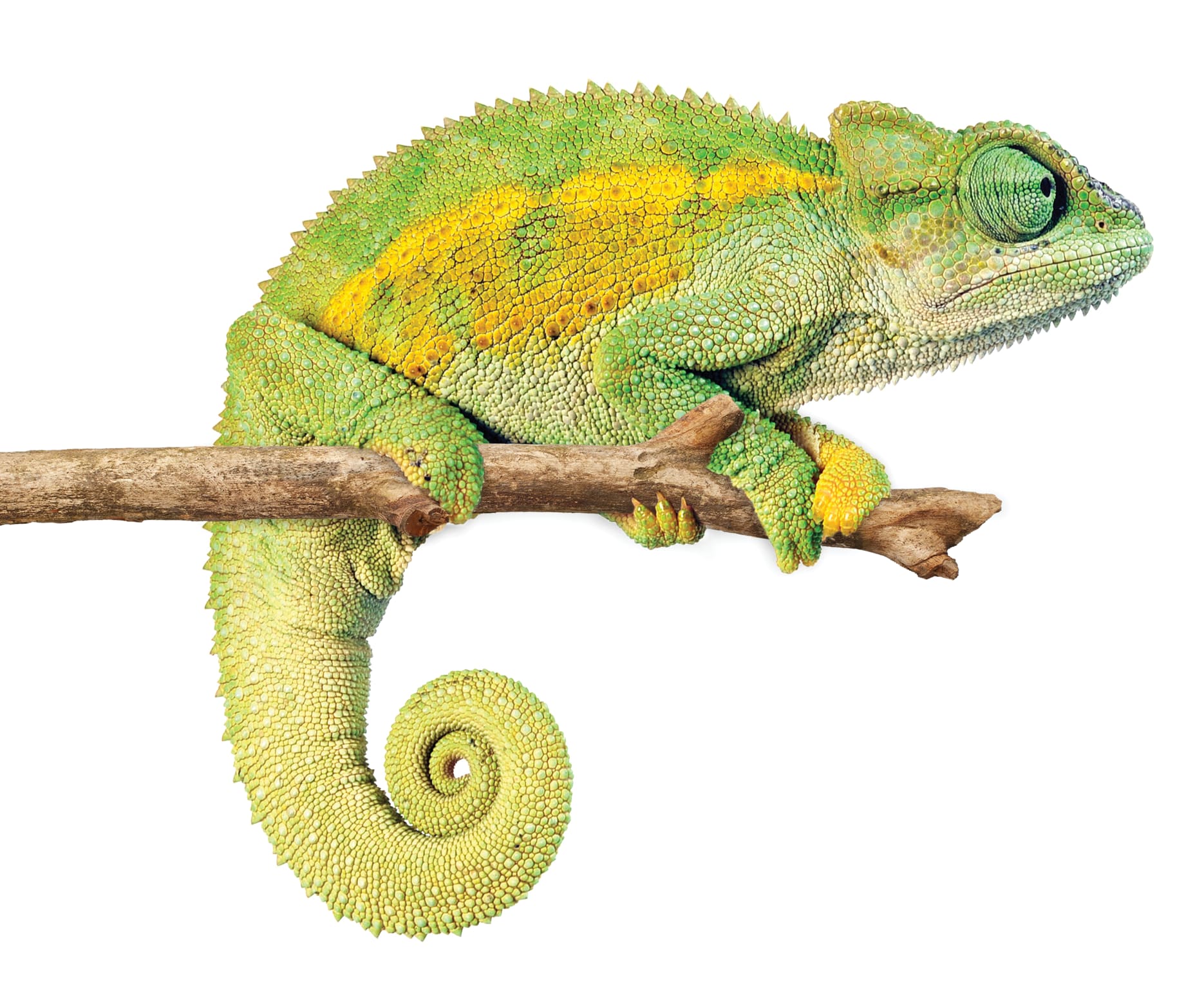
Cool Climate Chameleon Care: Habitat, Food, Health & Setup Secrets
Learn how to care for cool climate Chameleons, recommended diet & habitat setup. Find the right food, supplies & equipment at your neighborhood Petco.
Updated on October 23rd, 2025
- Food & Nutrition
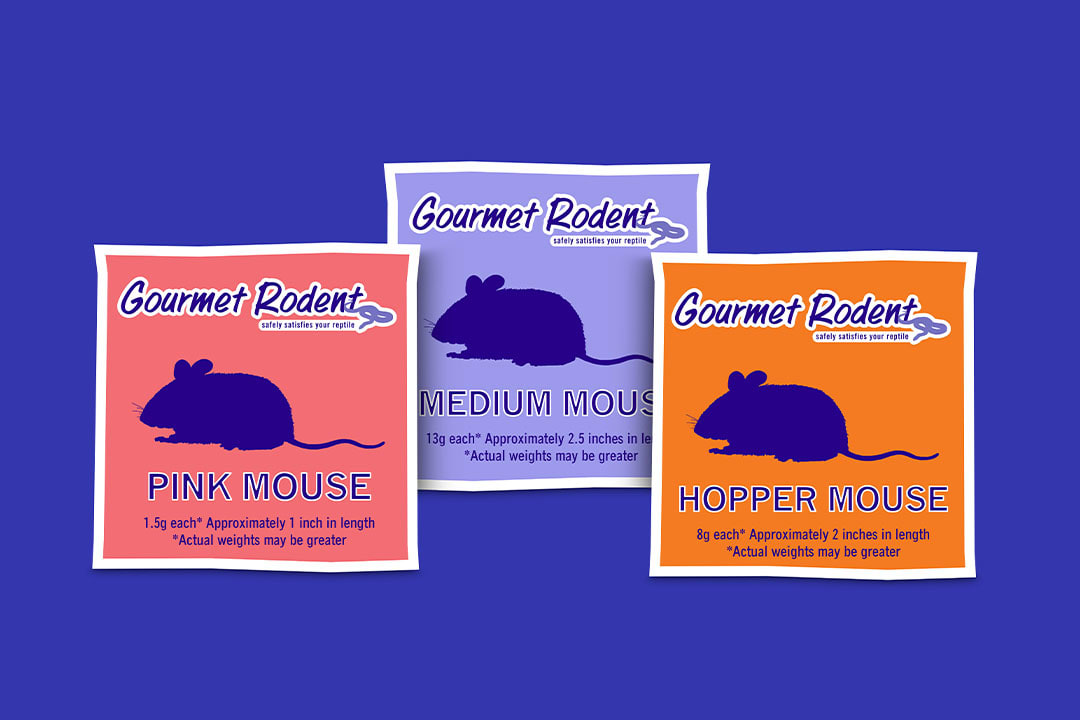
Boost Health: Frozen/Thawed Diet for Your Reptile & Amphibian
Learn how to thaw frozen mice for feeding time. Find out how to safely prepare and clean up after frozen meals at Petco.
Updated on December 16th, 2025
- New Pet
Sand Boa Care: The Ultimate Beginner's Guide to Food, Habitat & Health
Learn how to care for a Sand Boa, recommended diet and habitat setup. Find the right food, supplies and equipment at your neighborhood Petco.
Updated on October 23rd, 2025
- Food & Nutrition
Hello, I’d like to take proper care of my tortoise and I’d like to vary its diet but have no idea what I can feed it with. It really likes sunflower shoots but I know they’re not enough. I feed it with fruit from time to time. It mostly eats rocket.
Thanks for reaching out about Malusz. The proper diet will depend on the type of tortoise. Desert, Russian, box, all have different nutritional requirements. If you can follow up with the type of tortoise, exacting diet recommendations can be given. Good luck.
Updated on September 24th, 2025
- Food & Nutrition
I recently read articles about giving your tortoise a soak once a week.Is that true and safe to do?What if the water gets into his leg socket where I cant wipe off the water in there?What if i hurt his shell by wiping too hard?I put the food and wate
Not only is soaking safe, it is recommended to maintain hydration. You don't need to worry about wiping him off or drying him. He will dry on his own. Place the food on a flat surface or shallow bowl near the warm side, not under the heat lamp. He will eat when he is hungry. The white "glob" is probable stool. Clean it up every day or so to keep the cage clean.
Updated on September 24th, 2025
- Health & Wellbeing
My baby turtle won’t eat. I️ got him food from petco that’s made for baby turtles and he hasn’t touched it. Not sure what to do.
Offer a varied diet including pelleted food, fresh greens and prey such as tiny crickets or earthworms. You can get prey from the pet store, do not feed wild caught insects. It may take a day or two for him to acclimate to his new environment. Keep offering fresh food daily. Be sure environmental parameters are appropriate for the species of turtle you have. This includes adequate heat, UVB lighting and water quality. If you know the species, post it in a new question or request a consultation for more detailed care information.
Updated on September 24th, 2025
- Health & Wellbeing
Hi, is it safe for red eared sliders to eat calcium blocks?
Thanks for reaching out about your RES. Anything can be problematic if overdone. The benefits depend on the type of calcium compound and how well it is absorbed through the intestinal tract. Exposure to UVB radiation (i.e. sun bulb) is necessary for vitamin D activation and intestinal calcium absorption. Natural sources of calcium, fish with bones or green vegetables, are a more appropriate calcium source. Good luck.
Updated on September 24th, 2025
- Health & Wellbeing
He isnt eating well and hasnt had the appetite he used to for a long time also he had some nose rub im wondering what could be wrong if its his enclosure or him being stressed from being close to my chameleon or something i need to take him to the ve
Use a background to block his view. This may prevent glass surfing or nose rubbing as well as provide more privacy/security. Again, check the temps in his enclosure to make sure it is species appropriate. Offer a variety of crickets, mealworms, dubia roaches, silkworms and wax worms. Gut load prey for 24 hours prior to offering. Dust appropriately with vitamins and minerals regularly. He may also benefit from a soak in a warm 50/50 solution of water and unflavored PediaLyte. If his appetite does not return after adjustments to environment and diet, have him examined by your veterinarian or a vet experienced in treating reptiles. Submit a stool sample to diagnose intestinal parasites or bacterial overgrowth.
Updated on September 24th, 2025