Two Easy Ways to Start Earning Rewards!
Become a member today! Members-only pricing and offers, personalized care notifications, Vital Care points back on every purchase and more!
 Become a credit card member today!
Earn 2X Pals Rewards points at Petco
when you use Petco Pay!APPLY NOWLearn More About Petco Pay Benefits
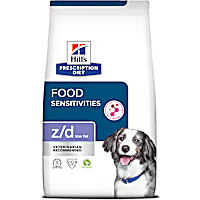
Prescription Diet Hydrolyzed Protein Dog Food
Get It Today



Related Searches
Related Articles & Questions
- Food & Nutrition
Does Your Dog or Cat Need a Veterinary Diet?
Vet authorized diets are typically needed only when a pet has specific health issues, but learning about how they're different from "normal" foods can help you be a more well-rounded pet parent.
Updated on June 19th, 2026
- Food & Nutrition
Limited Ingredient Dog Foods: Benefits & How to Choose
Limited ingredient diets come with one major benefit - pet parents are able to identify exactly what goes into their dog's body and avoid any specific ingredients. While a suitable diet for many dogs, LID diets can also be great for dogs with food sensitivities.
Updated on June 19th, 2026
- Food & Nutrition
Wet vs. Dry Dog Food
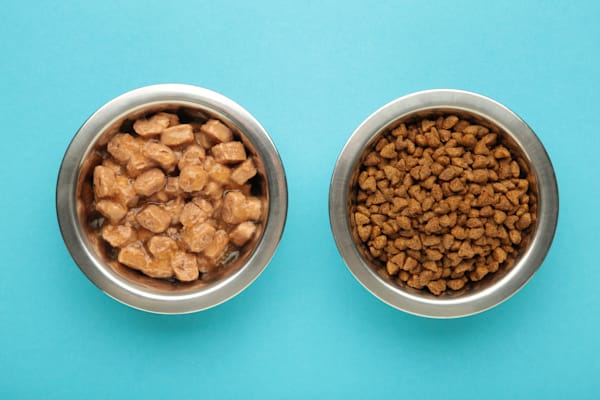
Some dogs prefer dry dog food to wet, and vice versa. Learn how dry, wet, and other food forms can enhance your dog’s nutrition during mealtime.
Updated on August 7th, 2025
- Care Sheets
New Dog Owner's Guide: Feeding, Health, & Creating a Happy Home
Learn how to care for your dog, recommended diet and training. Find the right food, supplies and equipment at your neighborhood Petco.
Updated on April 9th, 2026
- Food & Nutrition
Find the Perfect Dog Food: A Breed-Specific Nutrition Guide for Health
Discover how to choose the right dog food based on your dog’s breed and size to support their unique nutritional needs and health.
Updated on October 23rd, 2025
- Food & Nutrition
My IBD dog: Hypoallergenic wet food or hydrolyzed protein diet?
Hello, and thank you for your question. Dogs with IBD should definitely be on a hypoallergenic diet of some sort. The good news is that there are a wide variety of hypoallergenic diet options. Hill's i/d is actually NOT a hypoallergenic diet. It is a bland diet designed for sensitive stomachs, but not for food allergies. There are two main categories of hypoallergenic diets: 1) Novel protein diets, which consist of protein sources that most dogs have never been exposed to before. This includes venison, duck, kangaroo, rabbit, etc. You would choose the novel protein that you are sure Toby has never eaten before, including through treats or table scraps. 2) Hydrolyzed protein diets most often consist of hydrolyzed soy protein, where the molecule is broken down in such a way that the body does not recognize it as an allergen. These are a good option as well, but it is not guaranteed to work in all dogs. Both types of diets come in wet and dry options (e.g. Hill's z/d comes in wet and dry). I would talk to your vet about trying a brand with a wet option. Once he is weaned onto the new diet, he should be kept on it for a minimum of 8 weeks with no other treats or table scraps. I hope this helps, and that Toby gets better soon!
Updated on September 24th, 2025
- Health & Wellness
My picky cat needs new hydrolyzed Rx canned food. What are options?
Frankly, I do not care for Blue Buffalo products because they have a history of lying about their ingredients in their diets. Hills and Royal Canin are my preferred brands. There are other limited protein food brands out there, such as Natural Balance, which has formulas with a single protein source and a single carbohydrate source, making it less likely for your cat to develop an allergy.
Updated on September 24th, 2025
- Food & Nutrition
My dog has protein intolerance. Need Hill's Z/D food alternatives?
Without a full diet history it is impossible to prescribe a diet. Hills z/d is a hydrolyzed formula where all the proteins have been broken down (akin to being pre-digested) into small pieces so the immune system should not react to them and so should resolve the food intolerance symptoms, it is easily digested and highly absorbable by even the most sensitive bowel. A similar, hydrolyzed option is royal canin hypoallergenic or anallergenic and many pets find these extremely palatable. Some cases can do well on a 'novel protein diet' of home prepared food based on a protein source which she has never eaten before. This should be formulated only by a specialist nutritionist - tufts university clinical nutrition team are available by phone or appointment to help with this but it can be extremely expensive and time consuming to feed such a specific and strict diet and commercial brands are often more successful in resolving symptoms in the long term
Updated on September 24th, 2025
- Food & Nutrition
My vet suggested a hypoallergenic diet for my dog. What is it?
Hi, thanks for using Petco Pet Education Center, formerly Petcoach! There are 2 categories of what we call "Hypoallergenic" diets: 1) Novel Protein: the food is made of a protein we assume your pet has never been exposed to before. Something like duck, fish, venison, rabbit, lamb, bison, beef. The most common allergic protein is chicken not grains. So do not buy a chicken grain free diet and assume you are buying hypoallergenic, because you aren't. 2) Prescription hydrolyzed diets: These can only be bought from a Vet or with a prescription. These diets take the protein and chemically hydrolyze it to a very small size, so small that it isn't recognized by the immune system as an allergenic. I hope this helps and have a great day!
Updated on September 24th, 2025
- Food & Nutrition
Affordable dog food for allergies? Vet's prescription is too costly.
For an ideal diet trial for a suspected food allergy, it is typically recommended to feed a hydrolyzed protein diet (proteins are broken down to the point where they can't trigger the immune system) exclusively for 6-8 weeks. After that point, some dogs are rechallenged with their original diet to see if signs recur or started on a novel protein diet (one protein source/one carbohydrate source). If signs of a food allergy are still present, some dogs need to remain on the hydrolyzed diet indefinitely. The hydrolyzed diets are prescription based and include Royal Canin Ultimano, Royal Canin HP, Science Diet Z/D ultra, and Purina HA. There are many pet food companies online that can also dispense these diets with a prescription from your vet (chewy.com is one example). If the cost of a hydrolyzed diet is still not feasible for a diet trial, talk to your vet about starting Rico on a novel protein diet. Many of these are still prescription based, but I have also been impressed by the Dick van Patten Natural Balance limited ingredient line, which is available over the counter. With any diet trial, it can take 2-3 months to determine if it is effective and you need to be strict in that Rico would only receive his dog food with no other treats or table foods. I hope this helps! :-)
Updated on September 24th, 2025