Two Easy Ways to Start Earning Rewards!
Become a member today! Members-only pricing and offers, personalized care notifications, Vital Care points back on every purchase and more!
 Become a credit card member today!
Earn 2X Pals Rewards points at Petco
when you use Petco Pay!APPLY NOWLearn More About Petco Pay Benefits
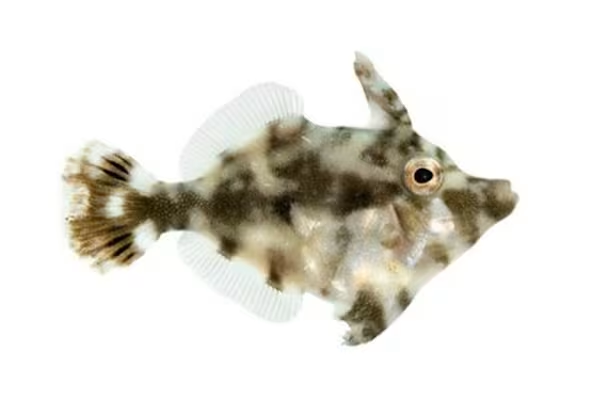
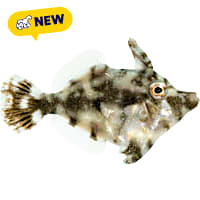
ORA Filefish
Get It Today


Related Articles & Questions
- Care Sheets
Filefish Care Guide: Tank, Food, Habitat for a Happy, Healthy Pet
Members of the Balistidae family, Filefish are closely related to triggerfish. They have rough scales and tiny mouths. The first of their two dorsal fins is a spine that can be locked in place. Recommended for more experienced marine aquarists.
Updated on April 9th, 2026
- Care Sheets
Your FOWLR Marine Tank: Easy Setup Guide for Live Rock Fish
Learn how to care for Marine FOWLR Aquariums. These tanks have easier upkeep and require less testing and supplementation than a reef tank. You can keep many fish who would generally consume corals and invertebrates, making it a popular setup choice for more aggressive fish.
Updated on October 23rd, 2025
- Care Sheets
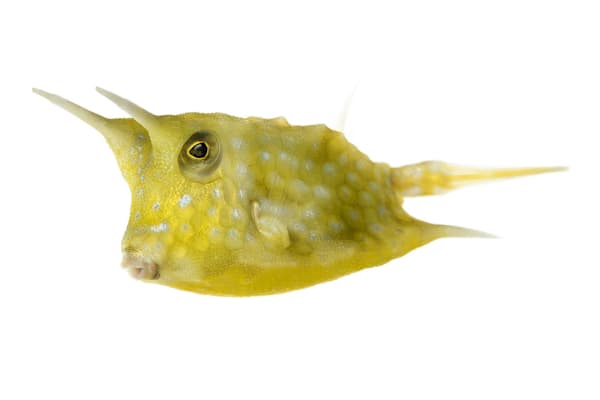
Advanced Boxfish & Cowfish Care: Ultimate Tank Setup, Food, & Safety
Learn how to care for Boxfish & Cowfish, recommended diet and aquarium setup. Find the right food, supplies and equipment at your neighborhood Petco.
Updated on April 9th, 2026
- Care Sheets
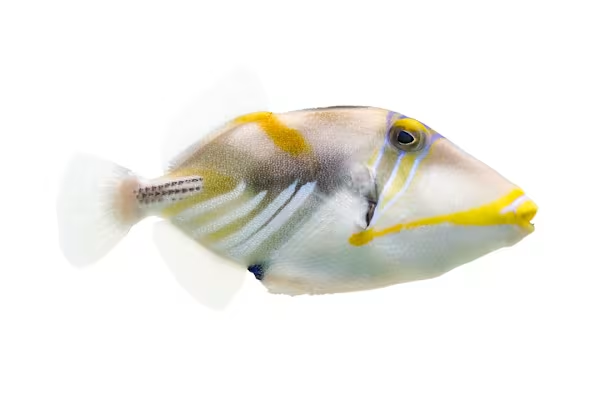
Triggerfish Care: Tank, Diet, & Compatibility for Aggressive Fish
Learn how to take care of triggerfish, recommended diet and tank setup. Find the right food, supplies and equipment at your neighborhood Petco.
Updated on April 9th, 2026
- Care Sheets
Essential Large Marine Fish Care Guide: Tank Setup, Diet, & Tank Mates
Learn how to care for large marine fish, recommended diet and habitat setup. Find the right food, supplies and equipment at your neighborhood Petco.
Updated on April 9th, 2026
- Vet Q & A
What are easy, small pets for beginners? Is a cowfish a good choice?
The Cowfish, or Longhorned Boxfish, is a marine species that should be kept only by experienced aquarists. When stressed, they can release toxins into the water which may harm tank mates. Pacman frogs, leopard geckos, corn snakes or bearded dragons are all easy to keep.
Updated on September 24th, 2025
- Vet Q & A
Is my orange fish a goldfish or molly, and what's this egg-like thing?
Mollies do come in gold or orange colorations, but it is difficult to determine from that angle. If you can repost a broadside picture in a new question, that may make identification easier. If it is an egg laying species of fish, the third image could be an egg but I have reservations saying definitively without something for scale. It looks too large to be an egg. As an aside, if you leave the Molly fry in with adults, they will likely be eaten. You can separate the out, remove the adults, use a breeder screen or provide plenty of cover for them.
Updated on September 24th, 2025
- Vet Q & A
What to do if my Oscar fish is lying low and not eating?
These are quite concerning but generic signs. The approach must be logic but quite radical at the same time. Begin by submitting a water sample for quality testing. Most pet stores will do this for free or a nominal fee. Clinical examination should always include a water quality check, even if you have done so already. Water testing should be performed with a quality test kit, measuring NH4, NO2 and NO3. High ammonia levels, PH imbalances may be responsible for these signs. Oxygen concentration and quality of the filters should be determined as well. If water quality is good and there are no major imbalances, your fish should get examined to look for any sign of bacterial/fungal infection and eventually water should be treated. Hope this answer was helpful, but please do not hesitate to contact us again on the forum or by requesting a consultation if you have any more questions or to discuss it any further.
Updated on September 24th, 2025
- Vet Q & A
Where can I find expert help for my fish tank filtration questions?
You should contact by email the administrators of the website (you can find general email on the contact section) and they put you in touch with the Head Vet in charge of hiring new experts. Best of luck and hope to see you joining the team soon. Dr. Orioles
Updated on September 24th, 2025
- Health & Wellness
Why is my Oscar fish lethargic, not eating, and losing scales?
Hello, The appearance of losing scales is often due to a collection of fluid in the abdomen, called "dropsy". It unfortunately bears a poor prognosis. To learn more about dropsy, I recommend this video: https://www.youtube.com/watch?v=42DAoriYhVI I hope this is helpful. Thanks for using PetCoach.
Updated on September 24th, 2025