Two Easy Ways to Start Earning Rewards!
Become a member today! Members-only pricing and offers, personalized care notifications, Vital Care points back on every purchase and more!
 Become a credit card member today!
Earn 2X Pals Rewards points at Petco
when you use Petco Pay!APPLY NOWLearn More About Petco Pay Benefits
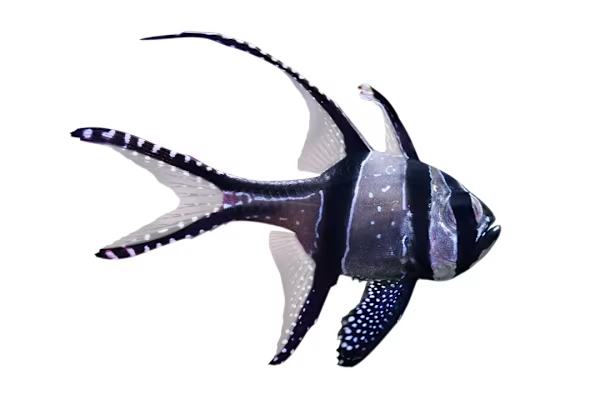
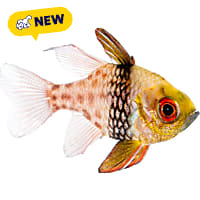
ORA Cardinalfish
Get It Today


Related Articles & Questions
- Care Sheets
Cardinalfish Care for Beginners: Tank Setup, Feeding, & Habitat Tips
Learn how to care for cardinal fish, recommended diet & aquarium setup. Find the right food, supplies & equipment at your neighborhood Petco.
Updated on April 9th, 2026
- Care Sheets
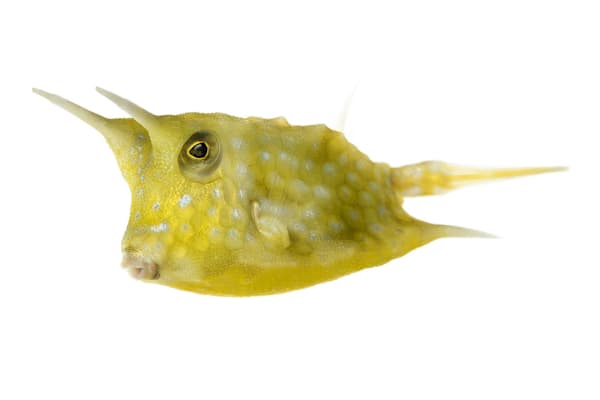
Advanced Boxfish & Cowfish Care: Ultimate Tank Setup, Food, & Safety
Learn how to care for Boxfish & Cowfish, recommended diet and aquarium setup. Find the right food, supplies and equipment at your neighborhood Petco.
Updated on April 9th, 2026
- Care Sheets
Your FOWLR Marine Tank: Easy Setup Guide for Live Rock Fish
Learn how to care for Marine FOWLR Aquariums. These tanks have easier upkeep and require less testing and supplementation than a reef tank. You can keep many fish who would generally consume corals and invertebrates, making it a popular setup choice for more aggressive fish.
Updated on October 23rd, 2025
- Care Sheets
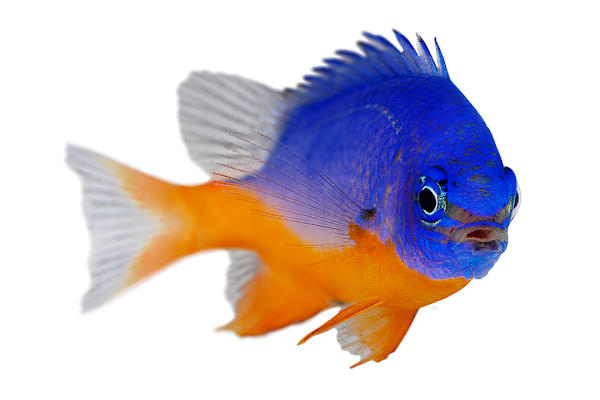
Damselfish Care: Expert Tips for a Thriving, Healthy Fish Tank
Learn how to care for a Damselfish, recommended diet and aquarium setup. Find Damselfish for sale, supplies and equipment at your neighborhood Petco.
Updated on April 9th, 2026
- Care Sheets
Essential Large Marine Fish Care Guide: Tank Setup, Diet, & Tank Mates
Learn how to care for large marine fish, recommended diet and habitat setup. Find the right food, supplies and equipment at your neighborhood Petco.
Updated on April 9th, 2026
- Vet Q & A
New Raphael catfish: Care with arowana, discus, and angels?
These catfish, and most fish, should not be handled frequently if at all. They have barbs, for self defense, that can injure you. If you must handle them, wear gloves and gently scoop them up from underneath. There may be some concerns keeping all these species together in one tank. Arowanas get very big and require large tanks. They can also be quite aggressive and may go after the Discus and Angels. The catfish, being a bottom dweller, may be safe. Another issue may be water hardness. Discus and Angels come from soft, acid water while Raphaels prefer hard water. Also, the Aro, Discus may do better in warmer water than the Angels and Raphael. These are all impressive fish and a joy to keep, but you consider the natural environment of each species before placing them all in the same tank.
Updated on September 24th, 2025
- Training & Behavior
I just bought a Pearl Arowana. What care does my new fish need?
Arowanas need large tanks due to their size. They also require powerful filtration to maintain water quality. Water changes will also be critical to water quality since they produce a lot of wastes. Use only conditioned water that is temperature matched to prevent stress or shock. A home test kit should also be used to monitor water chemistry. Minimum tank size should be between 130 and 150 gallons. Adults will need larger tanks. Keep a cover in place as they are accomplished jumpers. They should be kept in "soft" water and, being tropical fish, maintain temps between 75 F and 86 F. Feed a varied and balanced diet including krill, shrimp, mealworms, nightcrawlers and feeder fish. Food can be fresh, frozen (thaw it first) or freeze dried. Lastly, these are aggressive fish, so tank mates must be chosen carefully, if at all.
Updated on September 24th, 2025
- Health & Wellness
Just got a small fish. What breed is it and how do I care for it?
Thanks for reaching out about you fish. It is believed to be a Comet goldfish. Water quality and nutrition is the key to success. Testing water parameter for pH, ammonia, nitrite and nitrate will give you guidance for a healthy environment. Purchased food should be rotated out every 3 months as vitamin C and other nutrients degrade over time. Trying to maintain water temperature can be challenging with out a heater, but most fresh water fish tolerate some changes. Good luck.
Updated on September 24th, 2025
- Food & Nutrition
Why is my fish sick, gasping at surface with red fins in a small bowl?
The bowl looks definitively a bit small for the two fishes. To understand exactly what is going on you need to approach this problem radically but logically. Begin by submitting a water sample for quality testing. Most pet stores will do this for free or a nominal fee. Clinical examination should always include a water quality check, even if you have done so already. Water testing should be performed with a quality test kit, measuring NH4, NO2 and NO3. High ammonia levels, PH imbalances may be responsible for these signs. Oxygen concentration and quality of the filters should be determined as well. If water quality is good and there are no major imbalances, your fish should get examined to look for any sign of bacterial/fungal infection and eventually water should be treated. Hope this answer was helpful, but please do not hesitate to contact us again on the forum or by requesting a consultation if you have any more questions or to discuss it any further.
Updated on September 24th, 2025
- Health & Wellness
My parrot fish bit me! Can I add a Flowerhorn to their tank?
Thanks for reaching out about your aquarium. Parrot fish do possess teeth-like apparatus on the upper and lower jaw, capable of chewing invertebrates and coral. Using tongs to reach in for plants and other "furniture". Adding a male flower horn could interrupt the dynamics of the group, but also they could get around well. Human bite wounds from fish can possibly lead to infections from the water column, so cleaning your hands with soap and water anytime you enter your hands into the tank is recommended. When adding new fish, especially if concerned about aggression, providing plenty of hiding spots is important and monitoring the fish for aggression is mandatory. Be prepared to remove fish if aggression occurs. Good luck.
Updated on September 24th, 2025