Two Easy Ways to Start Earning Rewards!
Become a member today! Members-only pricing and offers, personalized care notifications, Vital Care points back on every purchase and more!
 Become a credit card member today!
Earn 2X Pals Rewards points at Petco
when you use Petco Pay!APPLY NOWLearn More About Petco Pay Benefits
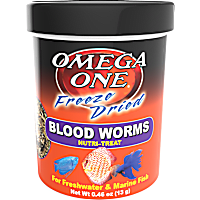
Omega One Betta Fish Food
Get It Today



Related Articles & Questions
- Care Sheets
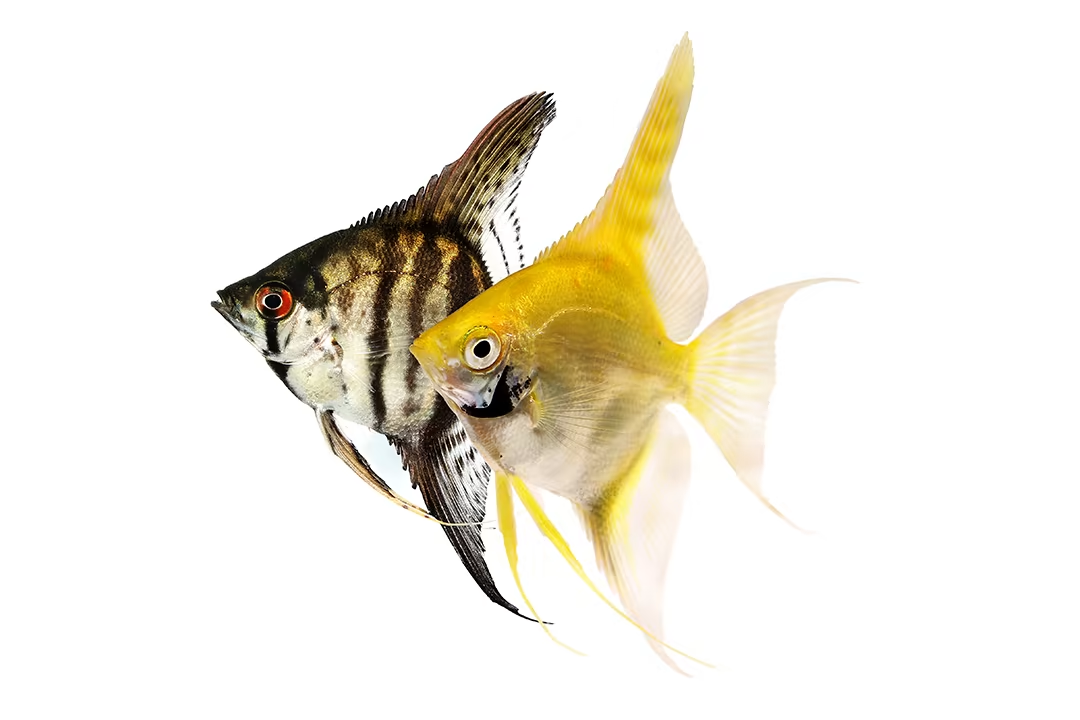
Freshwater Angelfish Care: Tank, Food, & Happy, Healthy Fish
Learn how to care for angelfish, recommended diet and aquarium setup. Find the right food, supplies and equipment at your neighborhood Petco.
Updated on April 9th, 2026
- Care Sheets
Brackish Water Fish Care: Your Complete Guide to Tank, Food & Species
Learn how to care for brackish water fish, recommended diet & aquarium setup. Find the right food, supplies & equipment at your neighborhood Petco.
Updated on April 9th, 2026
- Care Sheets
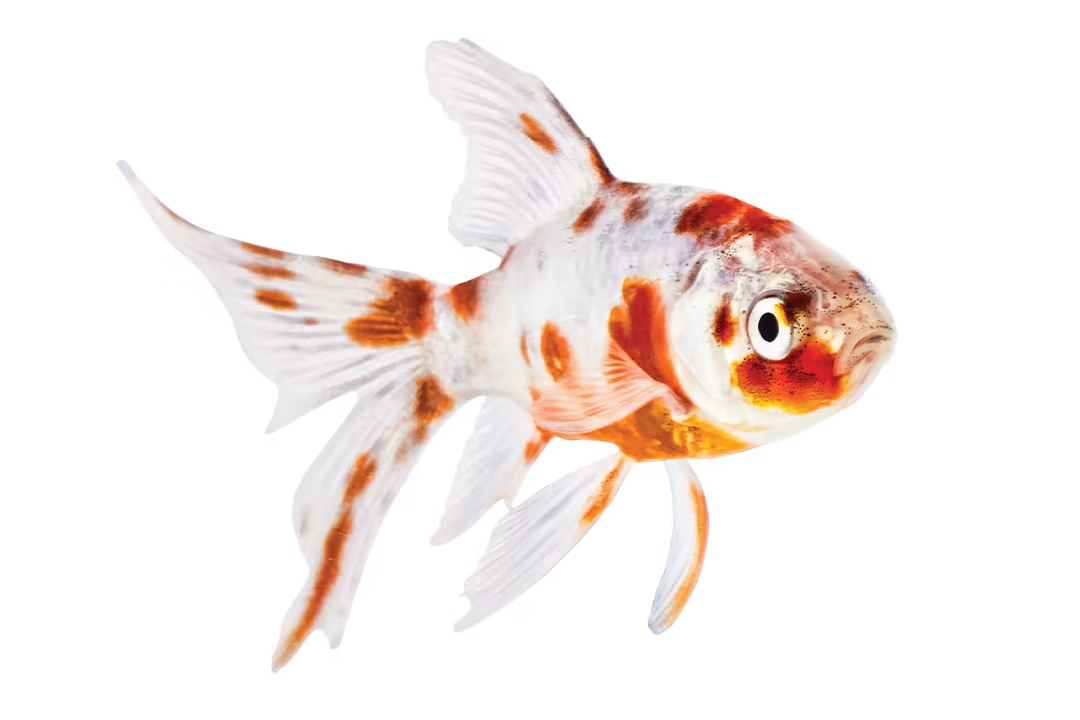
Goldfish Care Guide: Tank Size, Food, Water Quality for Thriving Fish
Learn how to care for Goldfish, recommended diet and aquarium setup. Find the right food, supplies and equipment at your neighborhood Petco.
Updated on April 9th, 2026
- Care Sheets
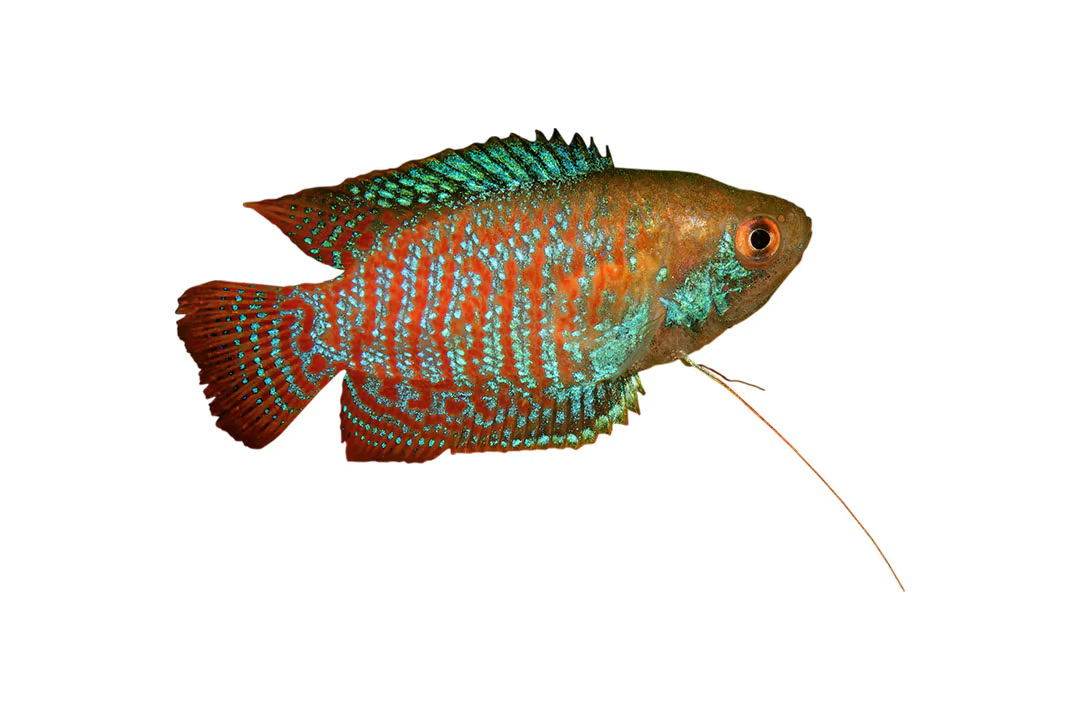
Mastering Gourami Care: Tank Setup, Food, & Habitat for Beginners
Learn how to care for Gourami, recommended diet and aquarium setup. Find the right food, supplies and equipment at your neighborhood Petco.
Updated on April 9th, 2026
- Care Sheets
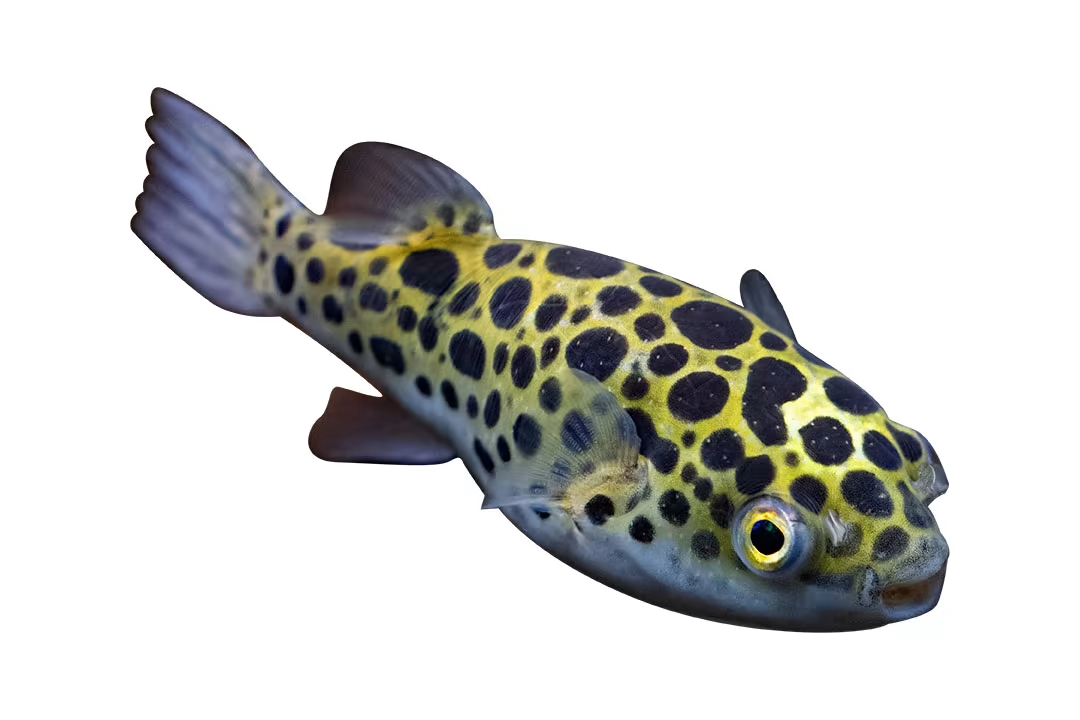
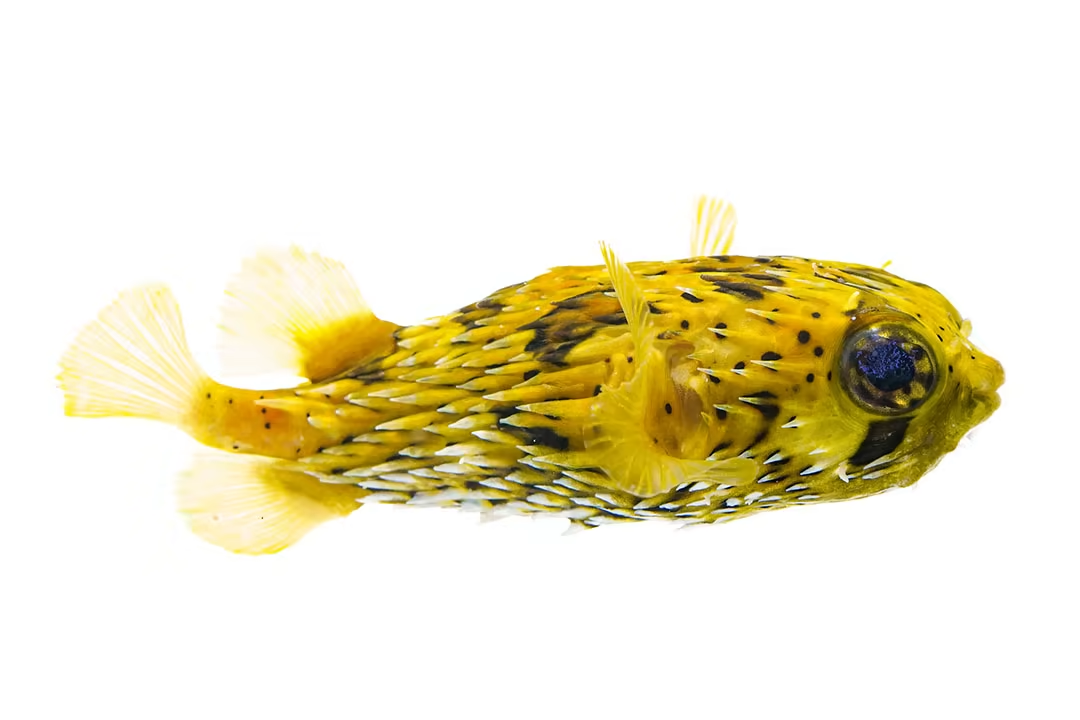
Pufferfish Care: Tank Setup, Diet, & Compatibility for Thriving Pets
Learn how to take care of Puffer Fish, recommended diet and tank size. Find the right food, supplies and equipment at your neighborhood Petco.
Updated on April 9th, 2026
- Food & Nutrition
How often and how many pellets should I feed my new baby betta fish?
Bettas are carnivores and need food high in protein. There are many foods available for your betta that can be bought at your local fish store or cultivated at home. Here’s a quick list to get you started. Remember that like people, a variety of foods allows your fish to get a balanced diet. *Frozen or live bloodworms or bloodworms in gel *Frozen or live brine shrimp or brine shrimp in gel *Frozen or live daphnia *Frozen glass worms *Frozen beef heart (can be purchased at your supermarket or butcher) *Frozen tubifex worms (live tubifex often carry parasites or bacteria and is better avoided) *Frozen mysis shrimp *Live white worms *Live grindal worms *Live flightless or wingless fruit flies *Live black worms. Frozen foods should not be confused with freeze-dried. Freeze-dried foods may cause digestion problems leading to more serious medical issues when fed in excess. If possible, try to avoid feeding dried pellets, flake or freeze-dried food. Some foods are marketed as “For Bettas” but could cause digestion problems due to indigestible fillers and low moisture content. You will usually find these in packages near where bettas are sold. These pellet foods absorb water and expand in the fish’s stomach 2x or 3x their original size. Some bettas react badly to them, often suffering from constipation, bloating or even swim-bladder disorders. If you’re unable to feed your betta anything but dried food, you should soak the pellets in a glass of tank water for about 10 minutes before feeding them to your fish. This will give the pellet a chance to expand to its full size before your fish ingests it. One of the most common mistakes people make with their betta is either overfeeding or underfeeding their fish. A betta should be fed every day or nearly every day. It takes a betta about 2 weeks to starve to death so if your fish doesn’t eat for a few days due to illness or adjusting to a new home, don’t panic. A good rule of thumb at feeding time is this… A betta’s stomach is about as big as his eyeball and should not be fed more that amount at a time. This translates to about 3 bloodworms or brine shrimp per feeding. If you feed pellets, this equals about 2-3 soaked pellets per feeding. A betta can be fed this amount once or twice a day. Hope this helps. Best wishes.
Updated on September 24th, 2025
- Vet Q & A
My betta fish looks pregnant. What should I do about breeding or eggs?
Beta fish lay eggs and she would need a male to then fertilize those eggs after she lays them. Breeding betas can be very work intensive. Here is a link with great information: fishkeepingworld.com/breeding-betta-fish/ As the babies get bigger, they can graduate to larger food. The babies will mature and need to be separated around 3 months of age. The females can stay together but all the males will need to be separated. Breeding betas requires a lot of tanks/space. I recommend to connect with a local aquarium store and find out if anyone has first hand knowledge. I hope this helps and please feel free to post any additional questions.
Updated on September 24th, 2025
- Health & Wellness
My betta is very sick, not eating, and has a curved spine. What to do?
Thanks for reaching out about Kiho. How often do you change out your food source. By the pictures, there seems to be a spinal curvature which is often associated with scurvy (vitamin C deficiencies). Vitamin C is not stable in foods. A veterinary visit is recommended to assess and provide a diagnostics/treatment plan. Anti-inflammatories could help mobility. Improving vitamin C at this point will not reverse changes. Check and correct water quality and pristine water is needed to recovery. Betta Fix does nothing but delay proper treatments. Good luck.
Updated on September 24th, 2025
- Vet Q & A
My betta is floating, bloated, has black gills and fin rot. Help!
By your description, there may be seversl issues here. Check the water chemistry and quality. Use a home test kit or submit a water sample for testing. The local Petco may do this for free or for a small fee. Ideally, you want the following parameters: 0 ppm ammonia, 0 ppm nitrites, 20 ppm or less nitrates, pH around 7, water temperature between 78 F and 80 F. Perform partial water changes to stabilize chemistry and/or to improve water quality. Use only conditioned water that is temperature matched to prevent further stress or shock. Decrease the water level to make it easier for your fish to surface. Fast him for 2-3 days then feed bits of cooked and shelled green peas until swimming and defecation are normal. If he remains bloated, prepare a bowl of water at the proper temperature and dissolve 1 tablespoon of Epsom salt for each gallon. Allow for a 15-30 minute swim once or twice daily. In the main tank, use an antibiotic, such ad Kanaplex or Maracyn, to treat infection/fin rot. A conditioner such as StressCoat can also help fins. These products can be found in the aquarium section of the local Petco. Follow label directions carefully and remove the carbon filter insert during treatment if indicated.
Updated on September 24th, 2025
- Health & Wellness
My fish is on its side, struggling to swim. What should I do?
Check water chemistry first. Use a home test kit or submit a water sample for testing. Aim for an absence (0 ppm) of ammonia and nitrites with nitrates at 20 ppm or less. Perform a partial water change to stabilize water chemistry and/or to improve water quality. Use only conditioned water that is temperature matched to prevent further stress or shock. Bettas do best between 78 F and 80 F. By your description, the issue may be swim bladder disease. This can be caused by infection (bacterial or parasites) or constipation. Maintain water quality as described above. Fast the fish for 3 days then resume feeding bits of cooked and shelled green peas. This will help with constipation. If this doesn't help. you can get a broad spectrum antibiotic from the local pet store. Look in the aquarium section. Follow label directions carefully and remove the carbon filter insert during treatment.
Updated on September 24th, 2025