Recognizing the signs of stress in our animals and understanding some of the ways to help are integral steps in helping your pet. Read which behaviors are normal in small animals and which may mean your pet is stressed.
Updated on October 23rd, 2025
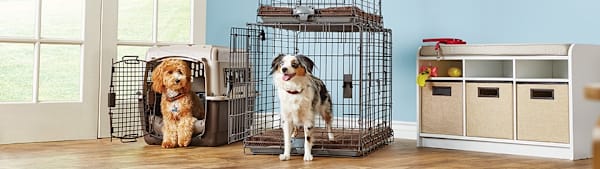
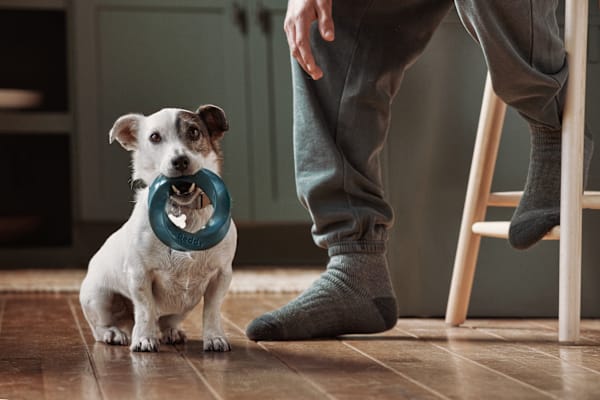
Puppy and dog crate training encourages puppies to control themselves for longer periods of time and keeps them safe when unsupervised.
Updated on October 23rd, 2025
Being a sustainable pet parent involves good practices and habits. Learn more about eco-friendly dog products, eco-friendly cat products and other solutions.
Updated on October 23rd, 2025
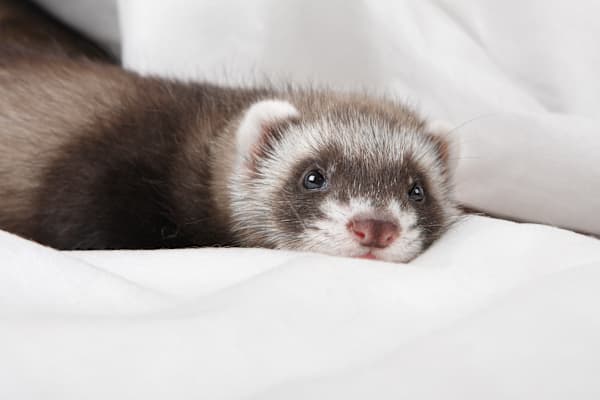
Learn some fun facts about ferrets, which are available at Petco. There’s lots to learn about these fun and rambunctious pets.
Updated on October 23rd, 2025
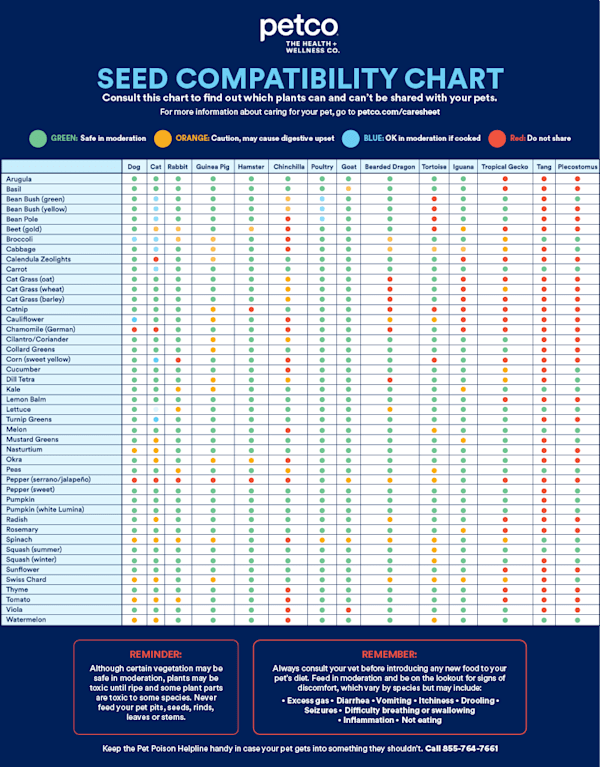
Discover how to plant a garden that’s safe and enjoyable for both you and your pets, featuring pet-friendly plants and gardening tips.
Updated on October 23rd, 2025
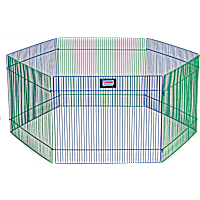
There are many different options and opinions on the best way to house train - I personally think using a crate is best and quickest. Basically you have pup in the crate (no pee pad) whenever you aren't actively watching him AND take him out to go to the bathroom every hour, after eating, after drinking, after waking, after playing, or any other times he pauses for a second. The rest of the time, you're either 100% focused on him, or he's in the crate. As long as the crate is the right size (easy for him to turn around, but not a whole lot bigger), he won't eliminate in his resting place. if you go with the play pen method, it relies on him just figuring it out a bit more and may or may not work as well or quickly. Instead of having a clear resting place it's also a potty and meal place - some dogs do great with this and others not so much.
Updated on September 24th, 2025
I recommend choosing the larger cage for sweet pea. Hamsters like to have separate bathroom / toilet areas well away from their bedding, so the one with the biggest base area is the best. Height of cage is less important. Also provide safe chewing sticks for her to gnaw her teeth on.
Updated on September 24th, 2025
Rabbits love to chew. Your best options are to limit your rabbit's access to these items through the use of playpens or gates blocking them, and to make sure Dandie has enough appropriate chew toys in their environment or play area to encourage healthy chewing on those items instead.
Updated on September 24th, 2025
Without knowing the size of the cage, it is hard to give advice. If they have a large flight cage where they can easily move around and exercise, then that may be enough. Adding in some fun toys to explore, moving dishes and toys around or rotating them out, offering treats to chew on, etc can all help increase enrichment and make things more fun for your birds. If they're kept in very small cages, then looking for a playpen that can fit in the room or on top of the cage may be nice for your birds to climb on or play on. However, finches tend to explore more and may want to fly around, so it is best to make sure they are only let loose in rooms where they can easily be caught again and cannot fly into windows, doors, or other dangerous objects that can cause injury or death.
Updated on September 24th, 2025
The biggest thing you can do is spend time with them. Rats are very smart and they enjoy time with their humans. They can be trained to do many tricks. They like to climb. Offer them a variety of play things (from tubes, to a sand box to a climbing area) and switch things from time to time. Here is also a link which may help: https://www.petcoach.co/article/toys-and-other-environmental-enrichment-for-rats-and-mice/ Please feel free to post any additional questions.
Updated on September 24th, 2025