Two Easy Ways to Start Earning Rewards!
Earn 2X Pals Rewards points at Petco
when you use Petco Pay!
Get It Today
Learn how to care for a medium-sized parakeets, recommended diet & bird cage setup. Find the right food, supplies & equipment at your neighborhood Petco.
Updated on April 9th, 2026
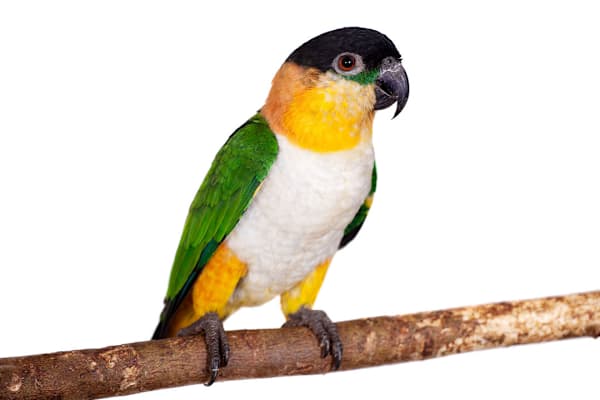
Learn how to care for small hookbill parrots, recommended diet & bird cage setup. Find the right food, supplies & equipment at your neighborhood Petco.
Updated on April 9th, 2026
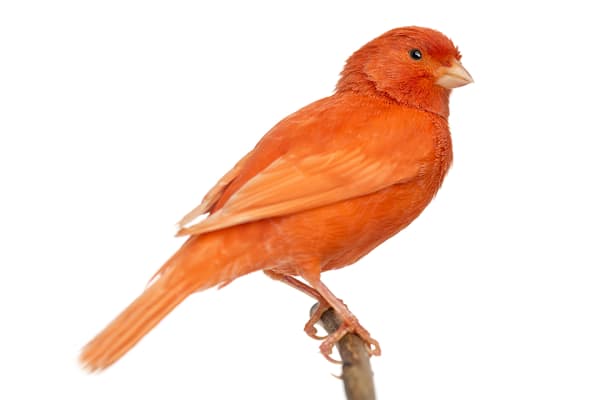
Learn how to care for a Canary, Canary facts, recommended diet and habitat setup. Find the right food, supplies and equipment at your neighborhood Petco.
Updated on April 9th, 2026
Learn some tips about bringing your new pet bird home for the first time. Find out what supplies and actions will help her feel most at home.
Updated on October 23rd, 2025
Learn more about beachcombing tips with your water-friendly dog to understand how to get most out of your dog’s day at the beach.
Updated on July 17th, 2026
Hello and congratulations on your new friend, King! Parakeets make wonderful pets, and they are a great first bird for a new bird owner. It sounds like you have everything in order, but I'd definitely get King some toys sooner rather than later as parakeets do require mental stimulation - they are very intelligent! Taming will take some time and patience. Using a perch to entice him to step up can be a good place to start, though I recommend waiting a few days to allow him to adjust to his new surroundings first. Yummy treats can be helpful - dried fruits and veggies are a good choice. Here are some good tips on taming your parakeet: http://www.budgiekeet.com/taming.html Good luck, and I hope King adjusts well! :)
Updated on September 24th, 2025
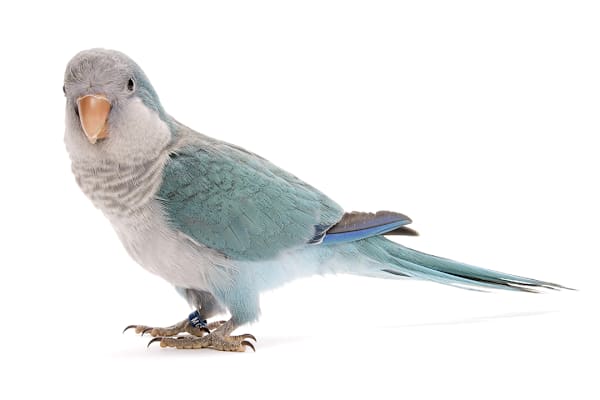
Julie looks like she may be a Quaker parrot by looking at the side view of her in the picture. You can post additional views in this forum for confirmation. Small parrots should be fed a varied diet with a commercial pelleted diet being the base. A fortified seed diet can be offered in limited quantities to prevent obesity and finicky eating. Most fresh fruits and vegetables can be offered daily as well. Favorites are grapes, apple, cooked egg and pasta. Limit fruit to prevent loose droppings. The cage should be cleaned weekly, if not more frequently depending on how messy she is. Provide different sized perches to exercise her feet. Parrots are chewers so care must be taken that they don't chew wires or toxic plants. Provide plenty of bird safe chew toys and other toys to keep her engaged. Rotate them out to prevent boredom. Ideally, she should be examined by an experienced avian veterinarian yearly. Please peruse the Petco Pet Education Center, formerly Petcoach Library for articles regarding bird care.
Updated on September 24th, 2025
Thanks for reaching out about Aqua. You can search for free cages on sites such as Craigs List or local bird rescue groups. A minimal size is probably 2' x 2' x 3', but depends on how much time is spent in the cage. Flight is good exercise but needs to monitored so the birds don't get themselves into trouble flying around. No bird should be left outside of its cage unattended. If birds are active and out of the cage for a fair amount, the night cage can be smaller, as is for mostly sleeping. Good luck.
Updated on September 24th, 2025
The cage set up appears to be appropriate for two parakeets. As suggested by your friend, it is always recommended to have any new pets examined by a veterinarian to confirm good health or to diagnose and treat any pre existing conditions.
Updated on September 24th, 2025
Thanks for reaching out about Sky. Despite what many people may think, birds are not supposed to bite readily. They come to learn to bite when the other forms of their body language are not seen/listened to by others, including owners (and veterinarians!). I would recommend looking at Sky's body language and your actions in situations - both before she tries to bite and when she is trying to bite. You may see that Sky tries to move away, or leans away, prior to trying to bite. It may be that Sky has not had any good or non-frightening experiences with humans yet so she doesn't know how friendly you are trying to be. I would recommend moving very slowly, and using food items that Sky likes to eat to help start to form a bond with her. When you start to move towards Sky, and there are no signs of avoidance (see above), then she gets a treat that she really likes. If she shows any signs of avoidance, then you just move away - you leaving may be her reward, and that is okay because you haven't pushed her so much that she feels like she needs to be desperate enough to bite. For training, you may want to start by asking her to step up using a stick or wooden dowel instead of your finger. This will be more safe for you, and may be more comfortable for Sky initially as well. There are videos online that give training tips as well - I would recommend searching for positive reinforcement videos as these tend to be very successful for birds. I hope this gives you a place to start, and good luck with Sky!
Updated on September 24th, 2025