Two Easy Ways to Start Earning Rewards!
Become a member today! Members-only pricing and offers, personalized care notifications, Vital Care points back on every purchase and more!
 Become a credit card member today!
Earn 2X Pals Rewards points at Petco
when you use Petco Pay!APPLY NOWLearn More About Petco Pay Benefits
JW Pet Cockatiel Food
Get It Today



Related Articles & Questions
- Care Sheets
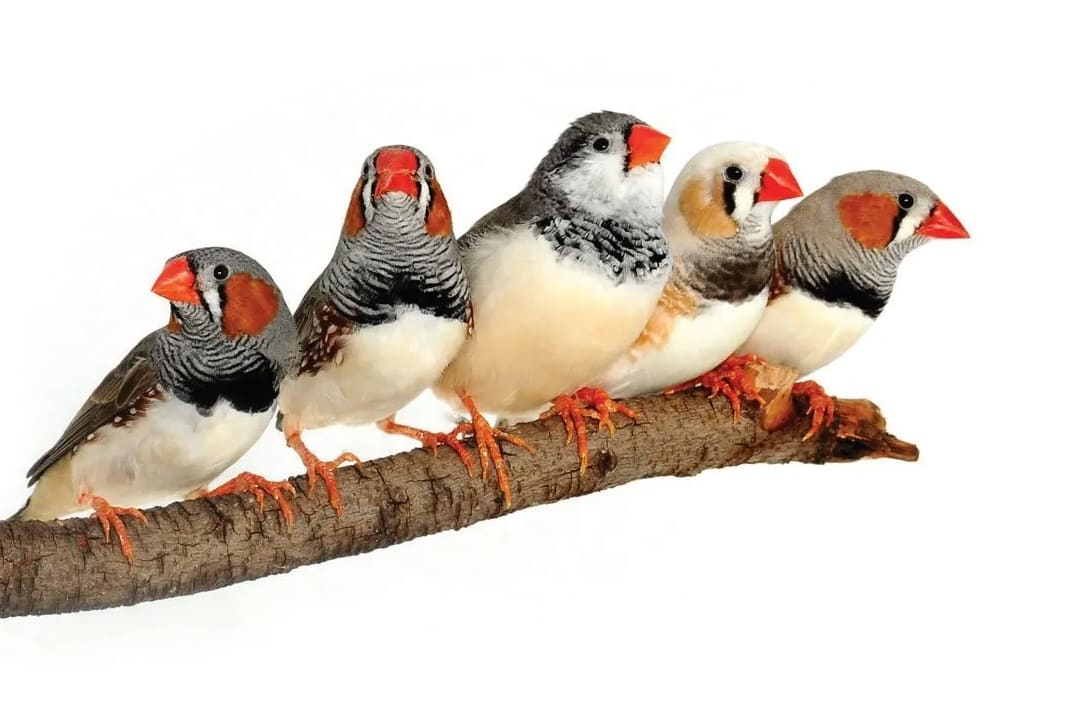
New Finch Owner: Master Finch Care for Food, Habitat & Health
Learn how to take care of your pet Finches, recommended cage size, diet & housing setup. Find the right food, supplies & equipment at your local Petco.
Updated on April 9th, 2026
- New Pet
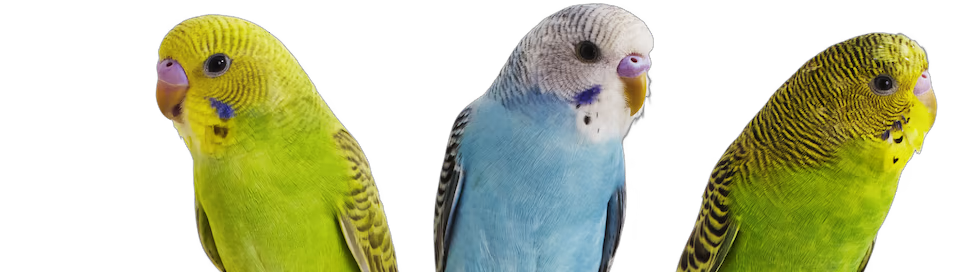
Ultimate Parakeet Care: Feeding, Housing, Health & Fun Facts Guide
Parakeets can make great pets. Take a look at these fun facts about these winged companions and wow your friends with your knowledge.
Updated on October 23rd, 2025
- Health & Wellness
Parakeet Breeding: What Pet Parents Should Know
Learn tips about breeding Parakeets in a safe way. Search Petco to keep your feathered friends happy & healthy.
Updated on June 19th, 2026
- Care Sheets
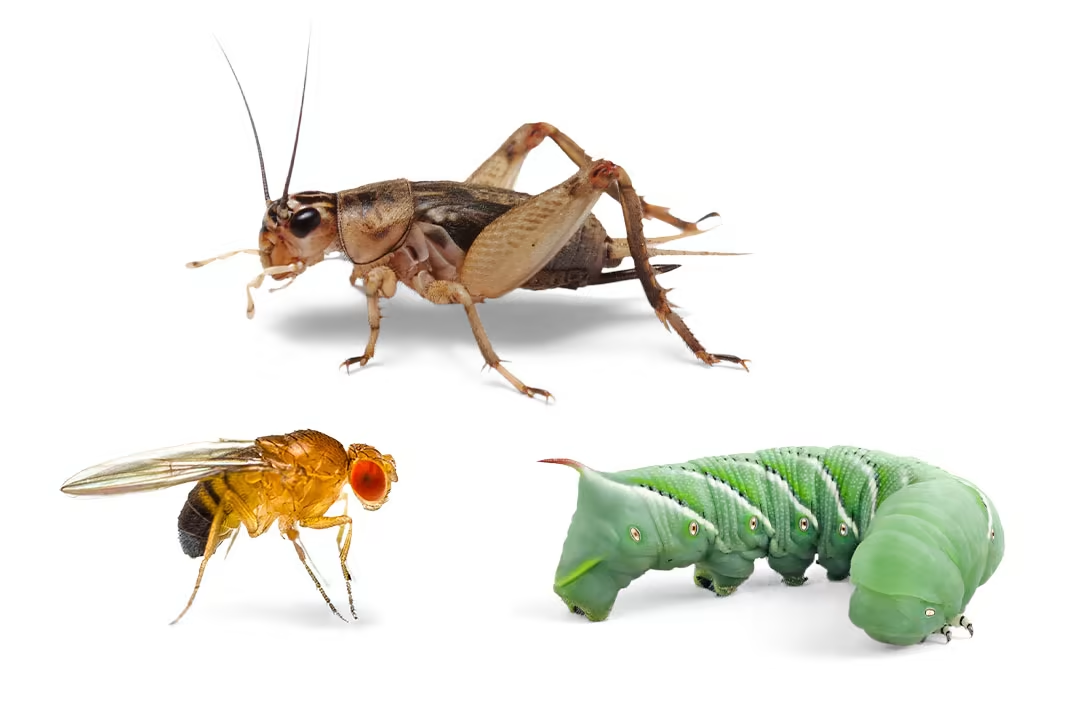
Reptile Feeding: Live Insect Selection & Care for Optimal Health
Learn about live insects for reptile feeding, recommended diet & habitat setup. Find the right food, supplies & equipment at your neighborhood Petco.
Updated on April 9th, 2026
- Care Sheets
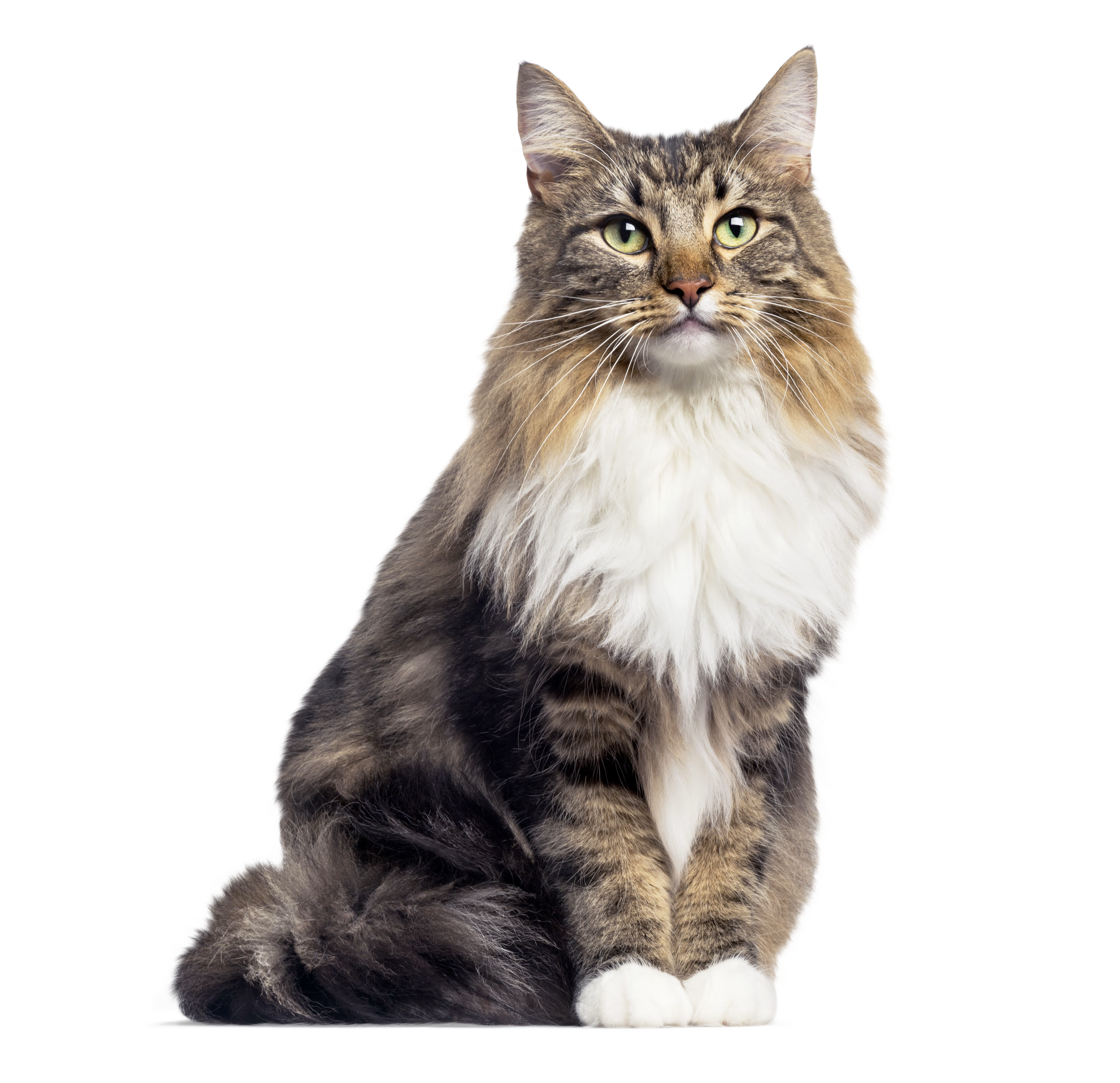
Your Cat's Best Life: Feeding, Health, Behavior & Home Guide
Learn how to care for your cat, recommended diet and grooming care. Find the right food, supplies and equipment at your neighborhood Petco.
Updated on April 9th, 2026
- Food & Nutrition
How should I feed my cockatiel and what about their water bowls?
Thanks for all of your questions! You do not need to provide a cockatiel with grit - as a parrot, this material is not necessary for them to digest their food. For produce, I would recommend focusing on vegetables that are high in vitamin A and calcium - this is typically the brightly colored vegetables (such as bell peppers) and dark leafy greens. For fruits, ideally you would focus on tropical fruits, as they have more fiber and less sugar than our temperate fruits. These would include fruits such as mango and papaya. For feeding, I would recommend feeding 60-70% pellets, 20% vegetables, 5% fruit, and 5% seeds. An average cockatiel can be offered about 1/4 of food per day - some birds spill more than others so this would just be a place to start and you can then increase or decrease as needed. We want them to be eating portions of each food item, so don't offer too much food, or they will just pick out what they like (typically the seeds and fruit). You can offer multiple bowls of water - often cockatiels will bathe in one and drink from the other. Tap water is acceptable, as long as it is safe for you to be drinking as well. You don't need to offer insects, as the diet that I outlined above is nutritionally complete. I hope that answers all of your questions, and thanks for using Petco Pet Education Center, formerly Petcoach.
Updated on September 24th, 2025
- Food & Nutrition
New cockatiels: biting, fighting, and night frights. What to do?
Thanks for reaching out. Providing multiple food bowls around the cage could decrease aggression over food. Biting now can be due to the stress of re-locating to a new home, and time could be the cure. Try to offer treats to win his side. If the lighting is too intense, that is stressful also and can lead to the sudden attempts to fly. Try to lessen external stimuli and have patterns of daily routine to be consistent. Good luck.
Updated on September 24th, 2025
- Food & Nutrition
What healthy food and engaging toys are best for my senior lovebird?
Harrison's Bird Diet is the best food out there. It is pelleted so there can be some resistance from your bird transitioning to the new diet if he has been on a seed diet, but it is nutritionally complete and very high quality. Toys I find that lovebirds like have been cotton rope toys that they can preen and groom like the feathers of another bird.
Updated on September 24th, 2025
- Food & Nutrition
Can I leave my cockatiels homemade dried fruit and seeds for 4 days?
They would be fine with a sufficient quantity of a fortified cockatiel seed mix, water and a few seed sticks or blocks. Avoid the dried fruits as they can be sticky or may attract pests. If you can have a neighbor, friend or family member check in on them, that would be optimal.
Updated on September 24th, 2025
- Food & Nutrition
Why does my cockatiel have bald spots under wings and grey feathers?
The grey covering is a sheath that is on new or developing feathers. His skin looks irritated which may be due to parasites or infection. Ideally, he should be examined by your veterinarian or an experienced avian veterinarian. Clean and sanitize the cage, bowls, perches and toys. Discard anything that cannot be sanitized. Transition him to s commercial pelleted diet such as Harrison's, Lafeber, Exxact or Pretty Bird. You can supplement with a small amount of a fortified seed mix as well as with fresh vegetables and fruits.
Updated on September 24th, 2025