Two Easy Ways to Start Earning Rewards!
Earn 2X Pals Rewards points at Petco
when you use Petco Pay!
Get It Today
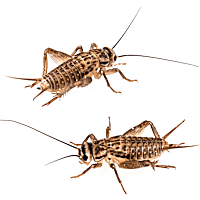
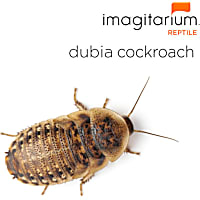
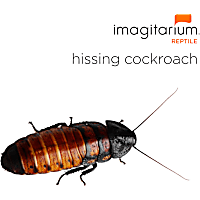
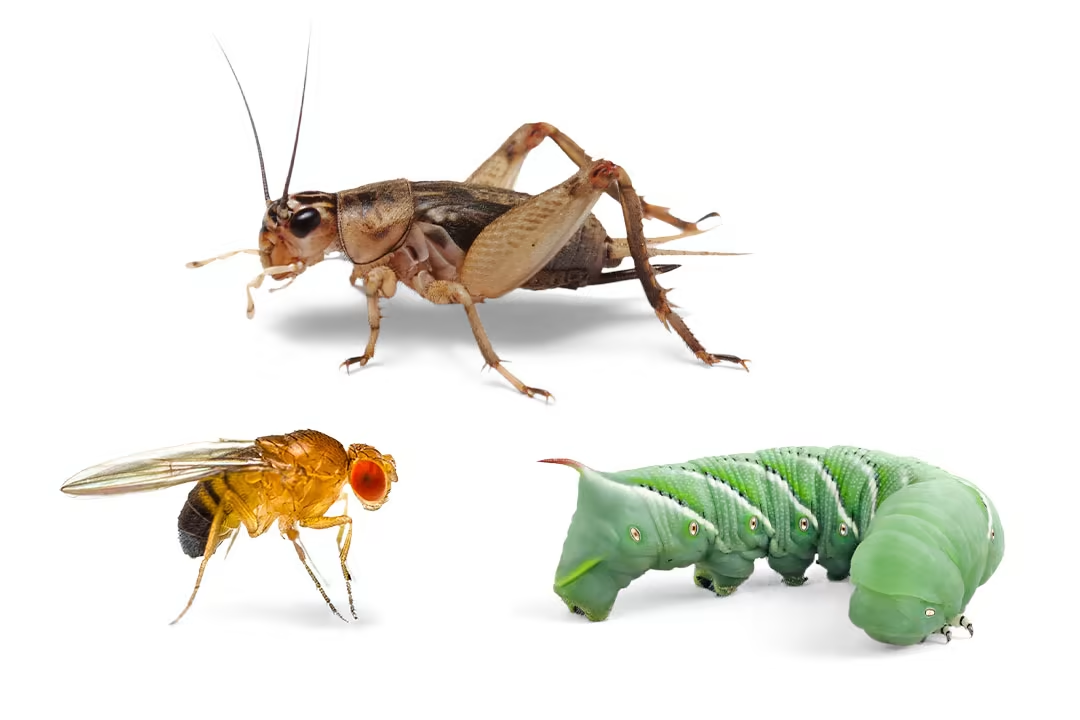
Learn about live insects for reptile feeding, recommended diet & habitat setup. Find the right food, supplies & equipment at your neighborhood Petco.
Updated on November 13th, 2025
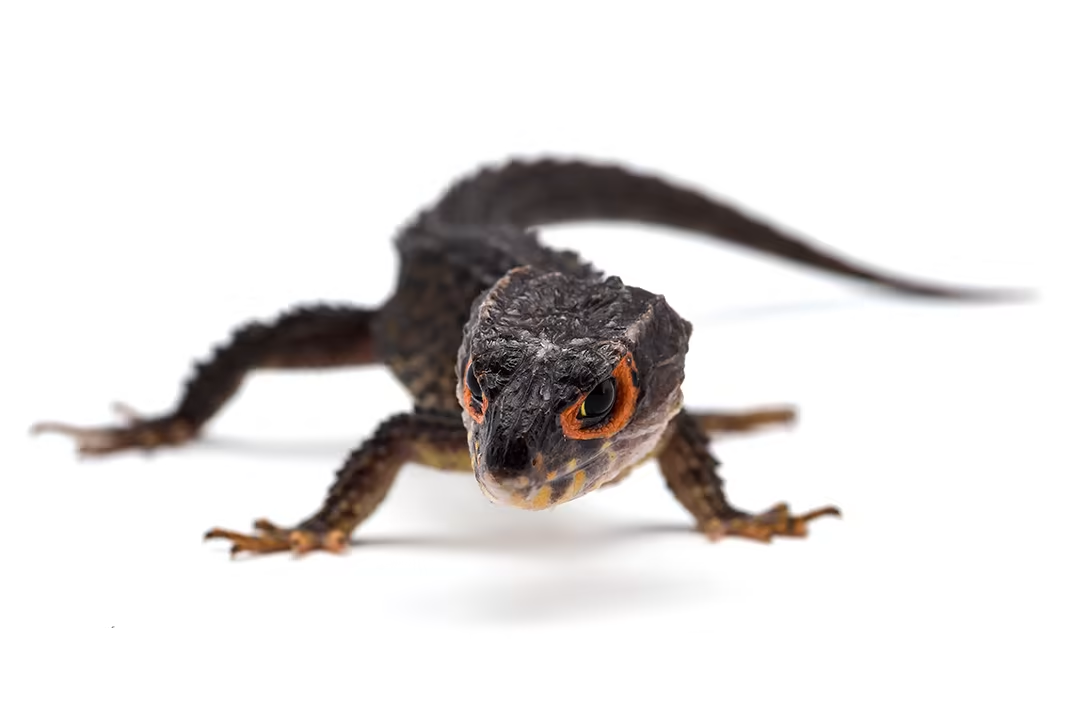
Learn how to care for Red-Eyed Crocodile Skink, recommended diet & aquarium setup. Find the right food, supplies & equipment at your neighborhood Petco.
Updated on November 13th, 2025
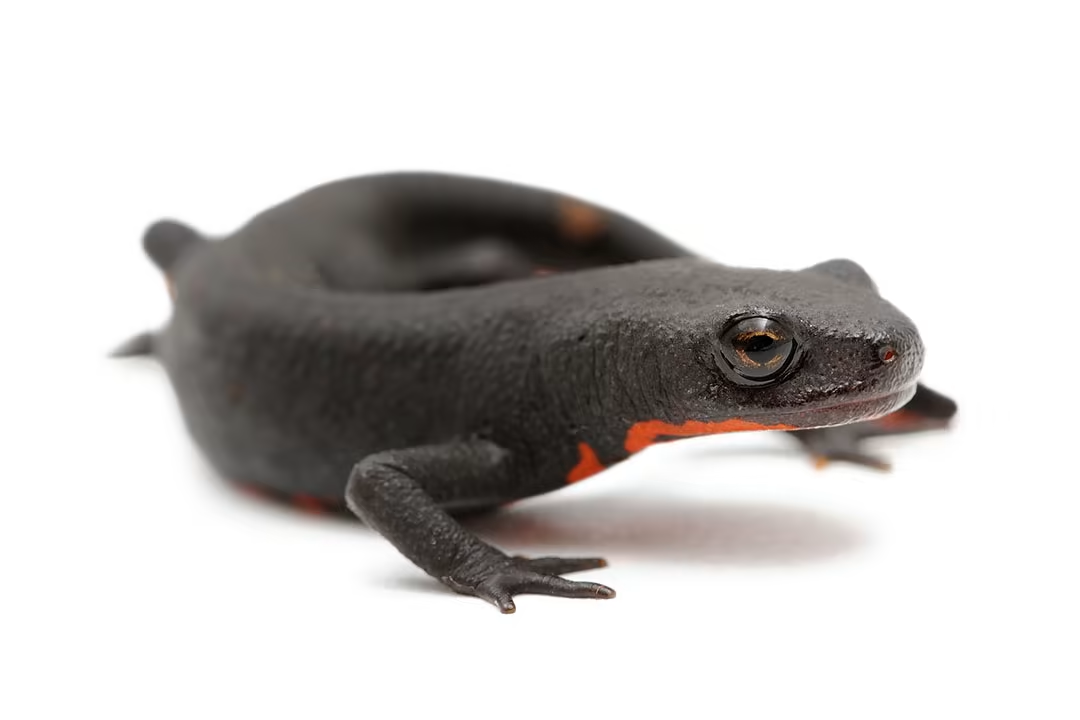
Learn How to Care for a Salamander & Newts, recommended diet and habitat setup. Find the right food, supplies and equipment at your neighborhood Petco.
Updated on November 13th, 2025
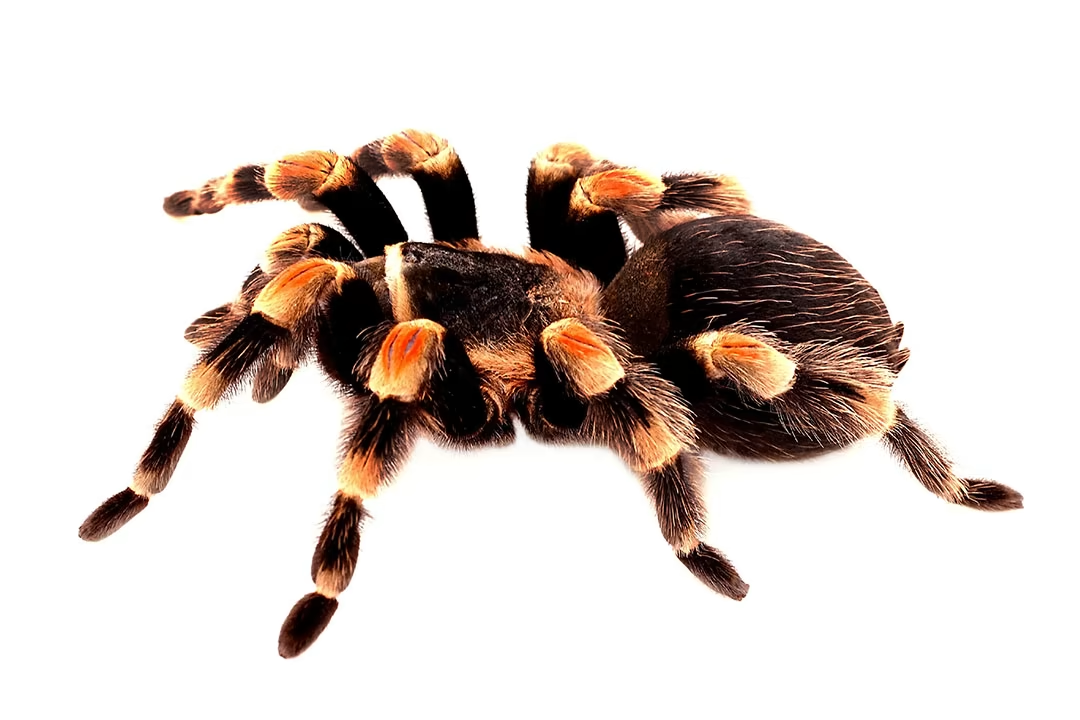
Learn how to care for terrestrial tarantulas, recommended diet & habitat setup. Find the right food, supplies & equipment at your neighborhood Petco.
Updated on November 13th, 2025
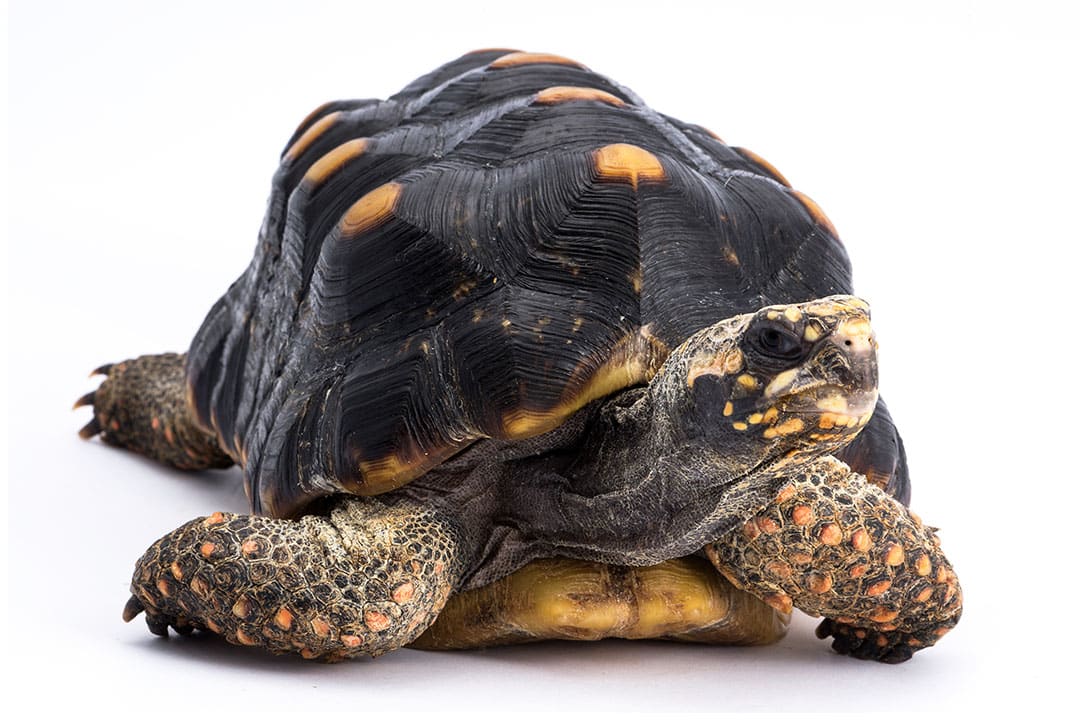
Learn how to care for tropical tortoise, recommended diet & habitat setup. Find the right food, supplies & equipment at your neighborhood Petco.
Updated on November 13th, 2025
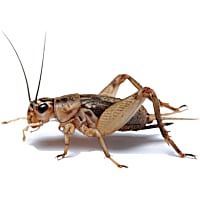
Make sure the crickets aren't too big. They should be no bigger than the space between Medusa's eyes. Confirm proper temperature as well. Reptiles need adequate warmth to digest food. Low temps will affect appetite and activity. She should be fed twice daily. Gut load prey for 24 hours prior to feeding. Dust with vitamins/minerals every other day. Vegetables can also be offered every other day.
Updated on August 12th, 2025
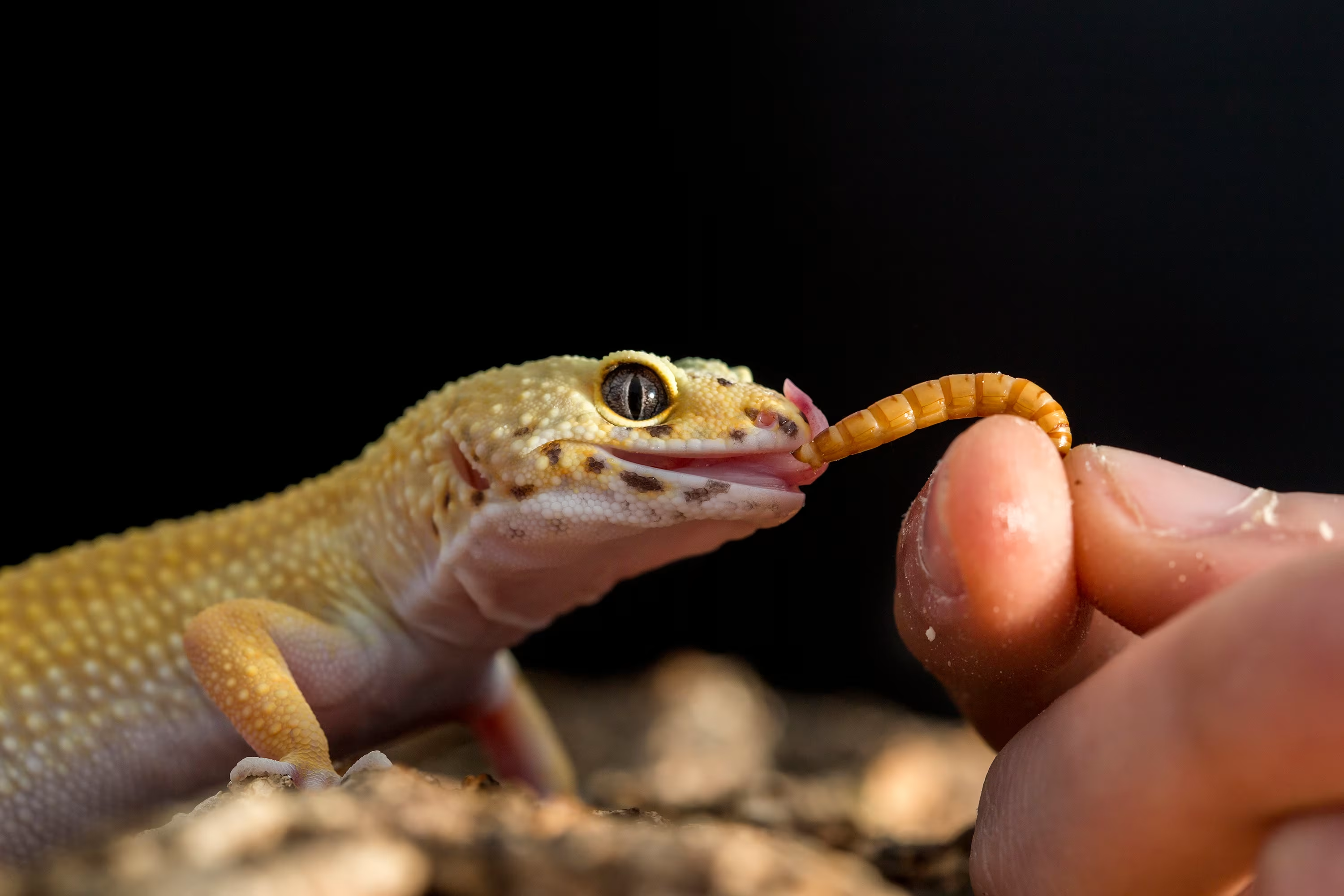
Mealworms aren't as nutritious as crickets or even dubia roaches. The increased amount of chitin also makes digestion and issue in juveniles and small reptiles. you can feed freshly molted mealworms, they are "softer". Another option would be calciworms (aka Phoenix worms). Whatever prey you decide to feed Lyra, be sure to gut load them for 24 hours prior to offering. Offer the greens or commercial gecko diet in the morning, about an hour after the lights and heat lamp turn on. You can offer prey later in the day.
Updated on August 12th, 2025
Leopard Geckos are phenomenal reptile pets and are generally very easy to care for. The most important factor in caring for any reptile is making sure their home is appropriate for their specific needs. Leopard Geckos like hot environments with low humidity. A basking lamp should be on one side of the tank and an under the tank heater is also recommended. Their diets are comprised of insects, so they should be fed gut-loaded crickets, mealworms, and superworms. Their habitats should be cleaned weekly and fresh water can be offered daily. They should not be misted. Otherwise, they are very hardy creatures and a lot of fun to take care of. I'd be happy to answer any specific questions. If you wish, feel free to start a consultation.
Updated on August 12th, 2025
Good questions. Since Bearded Dragons are omnivores, you want limit the amount of crickets (and other insects) you feed them, so they are motivated to eat the veggies. You can do this by having a daily feed time. It's not easy to know exactly how many to feed at a certain time, because it depends on their size. I would start with 12. If this seems like too much (he doesn't eat them within a day), then cut back till it seems adequate. Remember, you want a few hours where he only has vegetables to eat. If he/she eats them all right away, then you can add some more. You want the UV lamp to mimic daylight, so it should not be on longer than 12 hours. I always used a timer with my lamps, or I'd invariably leave them on or off for too long. I've included a link to a very helpful website that has great information on how to care for Bearded Dragons. It's highly recommended you read this for the best care of your Beardy. http://www.anapsid.org/bearded.html Good luck and enjoy
Updated on August 12th, 2025
A young bearded dragon, under 1 year old, should be fed daily. Fed a variety of appropriately sized prey including crickets, dubia roaches, mealworms and Phoenix worms. Gut load all prey for 24 hours prior to offering to maximize nutritional value. This can be done by feeding a high protein baby cereal or tropical fish flakes. Dust all prey with a multivitamin. Dust all prey, except phoenix worms, with a calcium supplement. Feed as many as he will eat in 10-15 minutes. Offer fresh greens and vegetables as well. Be sure they are diced small enough to eat easily. You can review care information at the link below. http://www.anapsid.org/bearded.html
Updated on August 12th, 2025