Two Easy Ways to Start Earning Rewards!
Earn 2X Pals Rewards points at Petco
when you use Petco Pay!
Get It Today
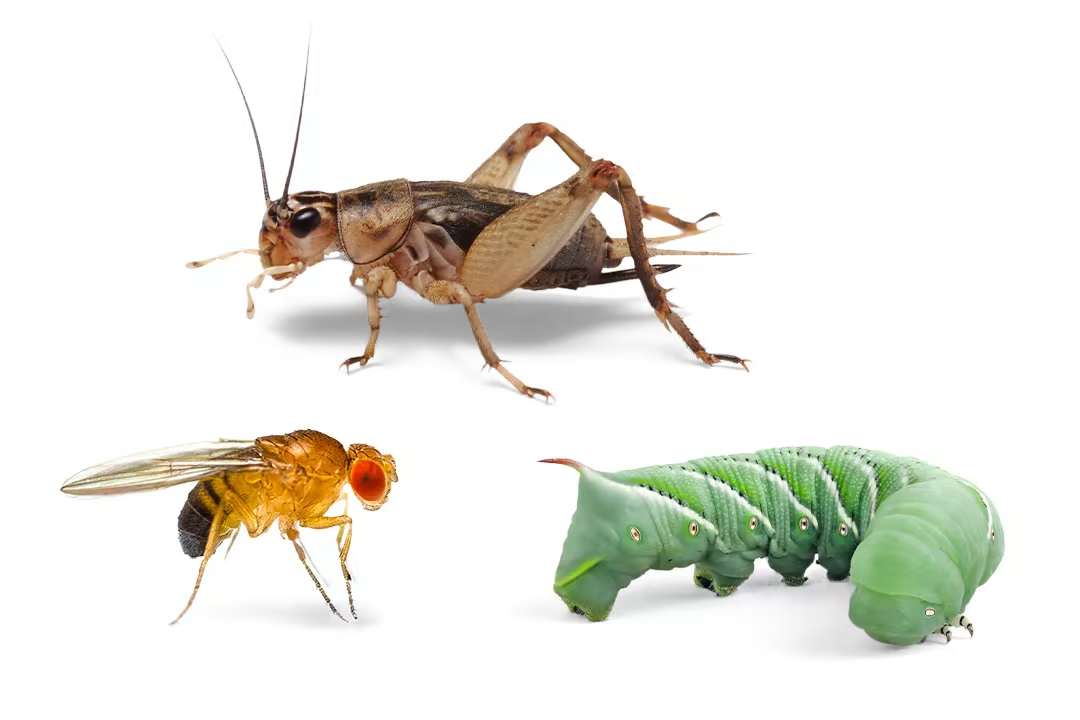
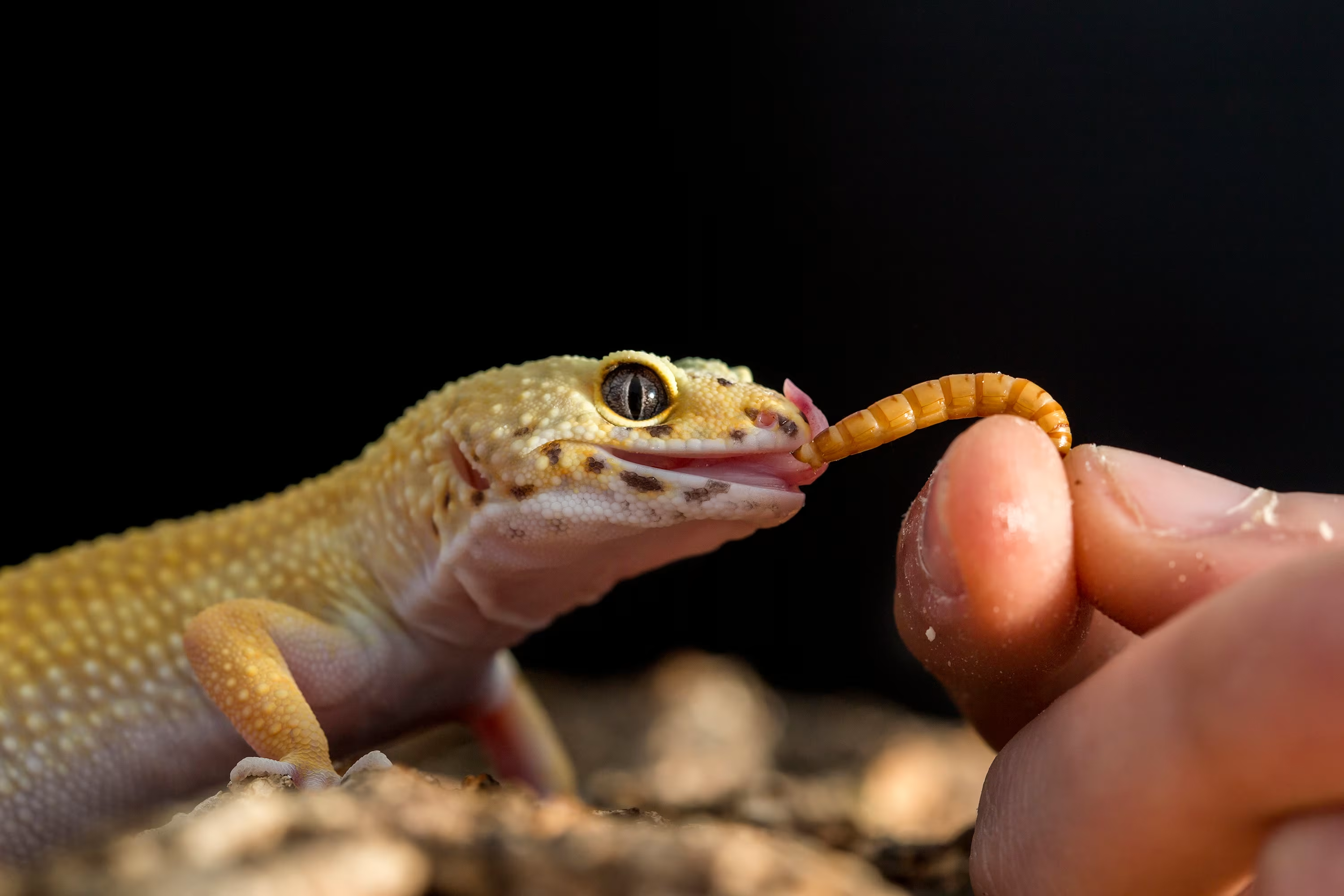
Learn about live insects for reptile feeding, recommended diet & habitat setup. Find the right food, supplies & equipment at your neighborhood Petco.
Updated on April 9th, 2026
When it comes to reptile habitats, one of the most essential elements to creating a happy home for your pet is including the appropriate type of lighting. Zoo Med helps outline which lights are right for your pet.
Updated on July 17th, 2026
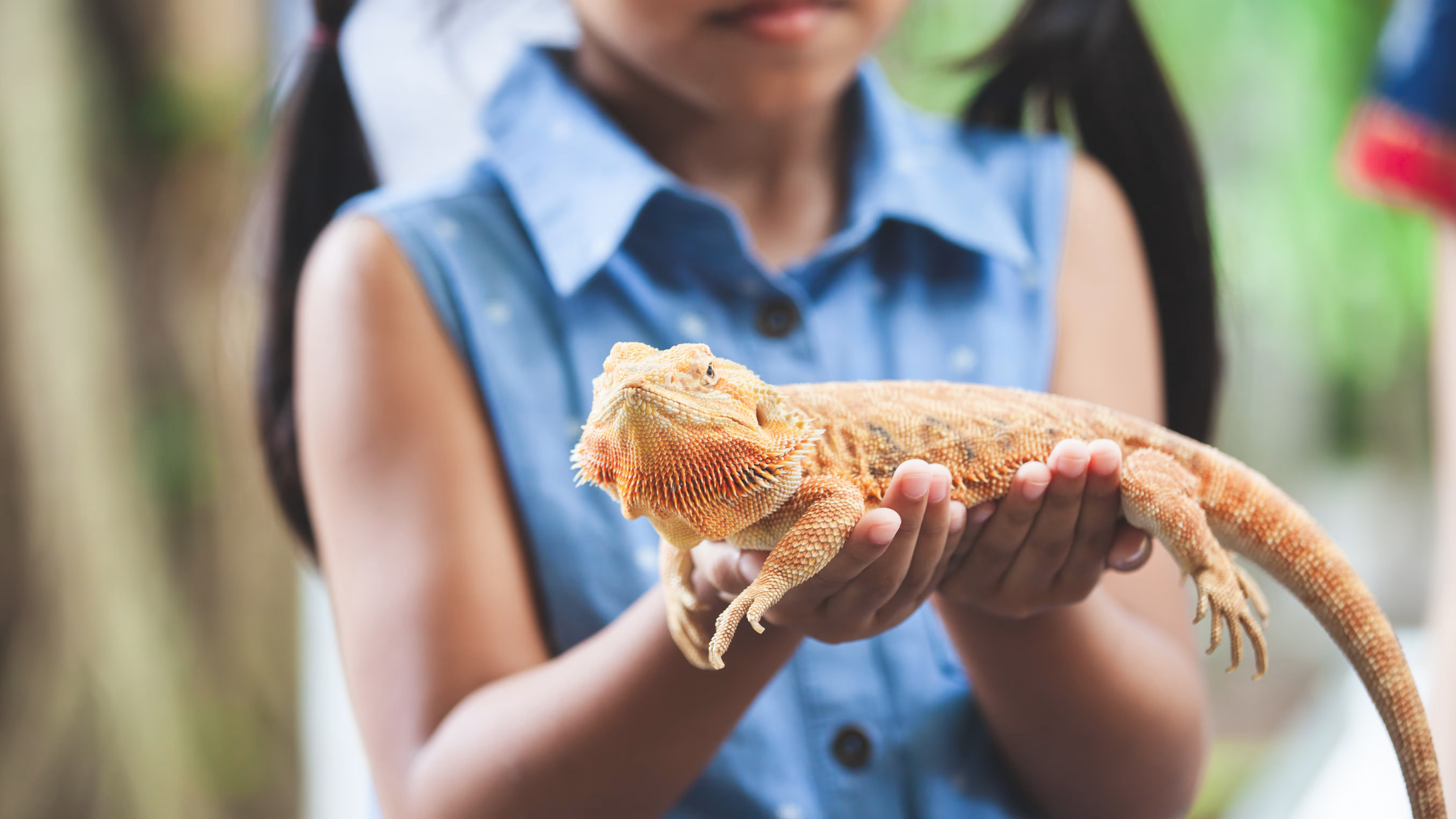
Read these guidelines about handling reptiles to provide a safe and fun environment for your pet, friends and family.
Updated on July 17th, 2026
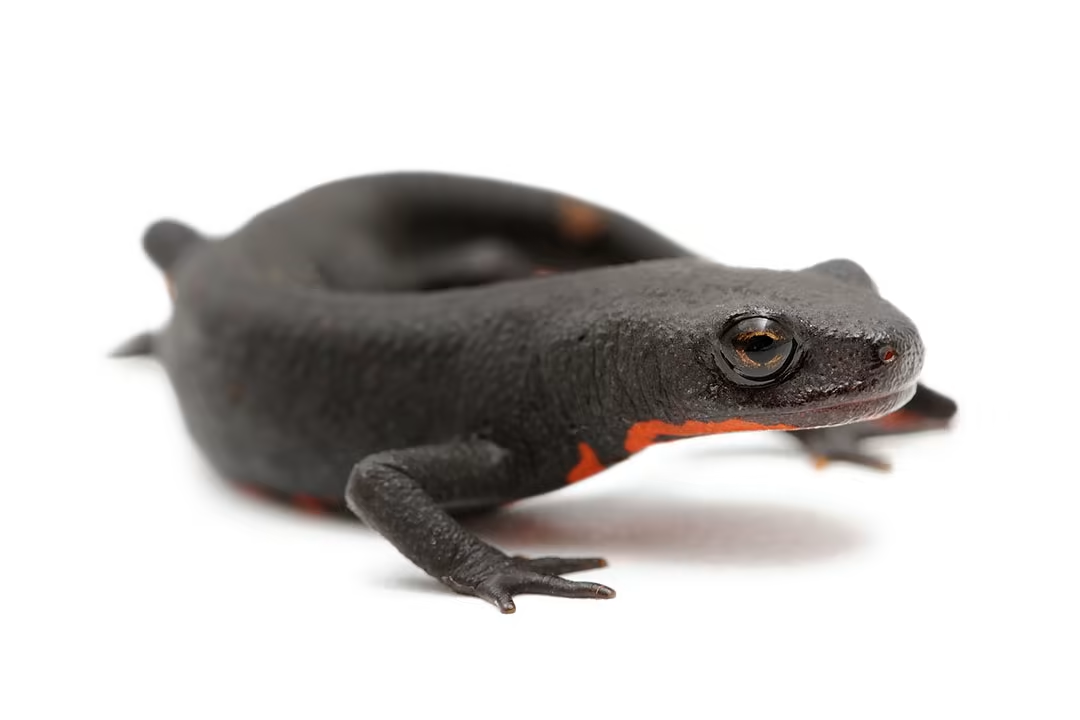
Learn How to Care for a Salamander & Newts, recommended diet and habitat setup. Find the right food, supplies and equipment at your neighborhood Petco.
Updated on April 9th, 2026
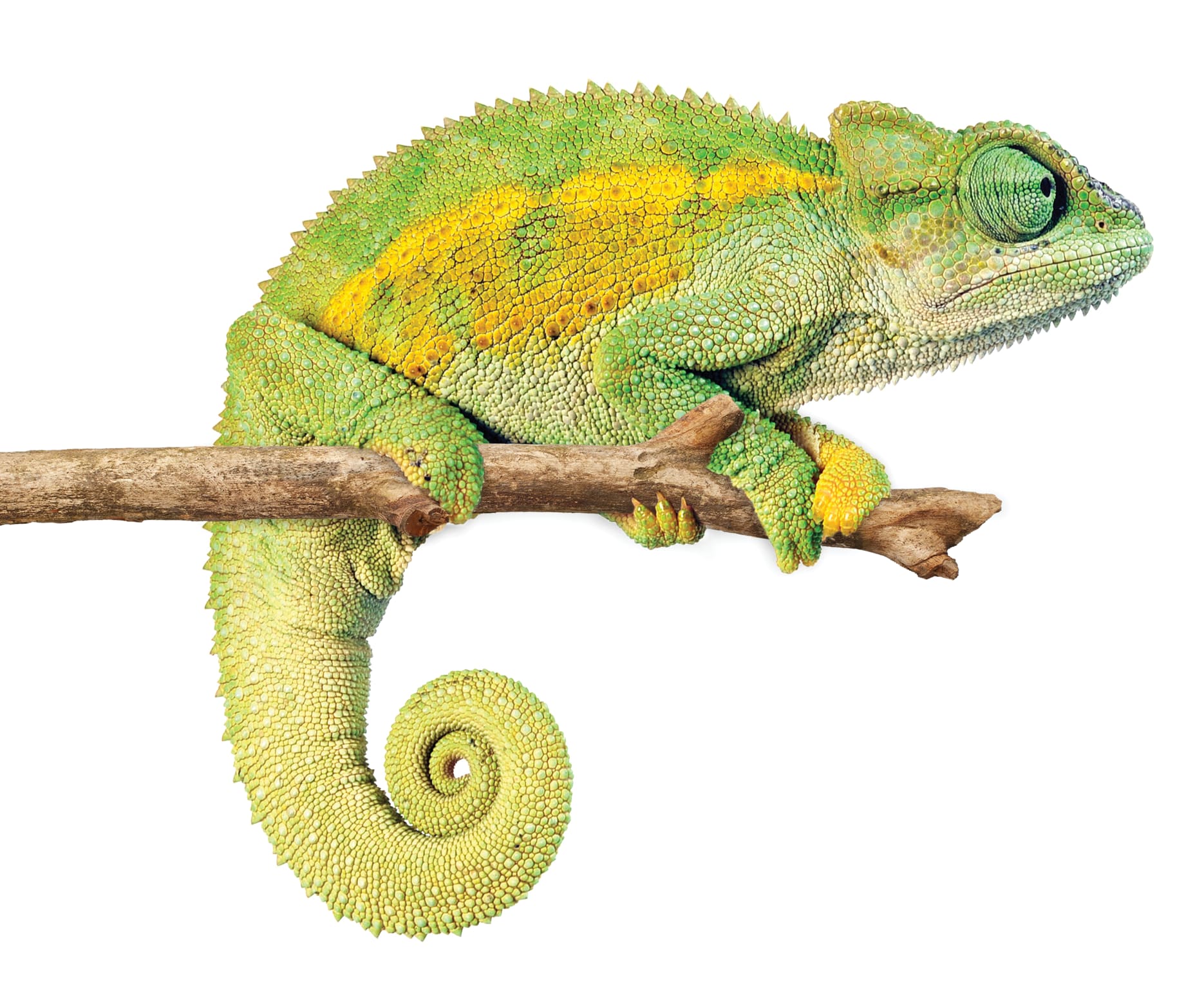
Learn how to care for cool climate Chameleons, recommended diet & habitat setup. Find the right food, supplies & equipment at your neighborhood Petco.
Updated on April 9th, 2026
Hi there! We have a Crested Gecko and have so much fun with him! Don’t worry, they are a great starter reptile and are pretty easy to keep. In the winter we use a red light to keep the tank warmer, but not a specific heat lamp. This keeps the tank warm enough without getting too hot. Also very important is the humidity of the tank. Keeping it spritzed several times a day is necessary. We started with a tank your size and it probably would have been just fine long term, but we ended up purchasing a larger tank because we wanted a different look. Best of luck and have fun with your crestie! Thank you for using Pet Coach.
Updated on September 24th, 2025
Stress or illness are likely responsible. Placing dark colored paper around the lower 10-12 inches of the glass might decrease stress. If this doesn't seem to help, a veterinary visit is recommended. Good luck.
Updated on September 24th, 2025
Thanks for reaching out. Heat rocks are bad. One recommendation is to utilize under tank heat as the background heat source, keeping the environment at 70-75 F 24-hours a day, then an overheat lamp can be set up as a timer to turn on for 12-14 hours/day and raise the day time heat to the appropriate level. Timers work great for the UVB bulb and extra heat. Good luck.
Updated on September 24th, 2025
Hot, soapy water can be used followed by a thorough rinse. If that doesn't work, a 50/50 solution of distilled water and vinegar can be sprayed used. Allow a 10-15 minute wet contact time before rinsing thoroughly. ExoTerra, Zoo Med, Natural Chemistry and API all make "herp safe" cleaners that may be effective in removing odors.
Updated on September 24th, 2025
A proper diet for red-eared sliders includes a complete pellet, such as those made by ReptoMin, and dark leafy green vegetables. This can be fed once per day, and the amount should be based on how many pellets Cooper can eat in 5-7 minutes. This is just a guideline, and your veterinarian can help you to determine if this is appropriate based on Cooper's body condition score (i.e. whether she is overweight or not). For a heat lamp - photo 1 just looks like the dome, and there doesn't appear to be a bulb in it. The second lamp looks like it is a daytime only heat lamp - it is often beneficial to have a heat source that can be used during the day or at night, and if that is what you are looking for, I would recommend a ceramic heat bulb. If you are looking for only a daytime basking bulb, there are many brands that would be appropriate. The key words that you should look for are "daytime basking bulb." For watts - it depends on how far the bulb is away from your turtle - there are some brands that have a chart on the side of the box that will give you distances and temperatures that correlate with the distance. This information, combined with your desired temperature for the basking area will help you to decide on what wattage to get. I hope that gives you more information!
Updated on September 24th, 2025