Two Easy Ways to Start Earning Rewards!
Earn 2X Pals Rewards points at Petco
when you use Petco Pay!
Get It Today
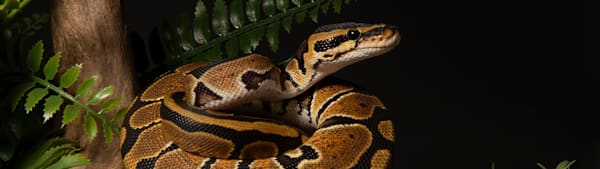
Explore our tips about what to keep in mind when choosing the right pet reptile for your family. Consider what they need to stay happy and healthy.
Updated on October 23rd, 2025
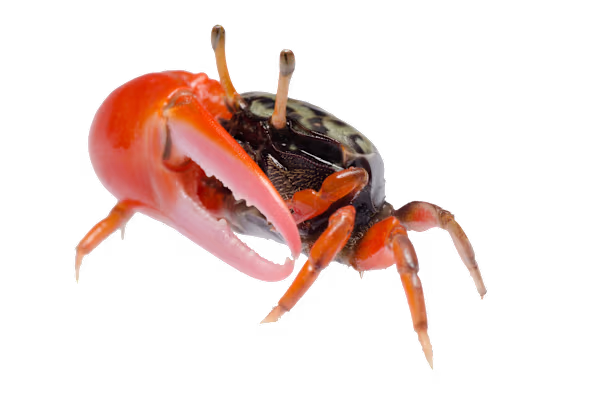
Learn how to care for freshwater crab, recommended diet and aquarium setup. Find the right food, supplies and equipment at your neighborhood Petco.
Updated on April 9th, 2026
Learn the importance of UVB light for your reptiles and the right reptile lights for your pet’s habitat.
Updated on July 17th, 2026
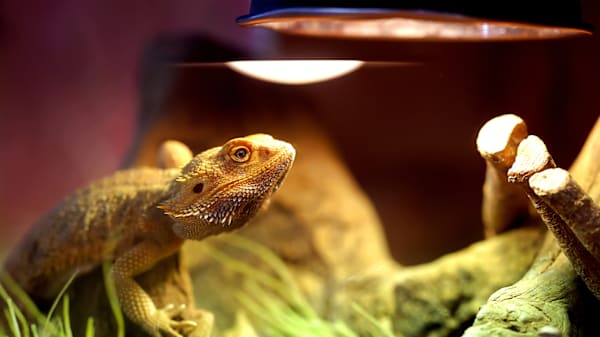
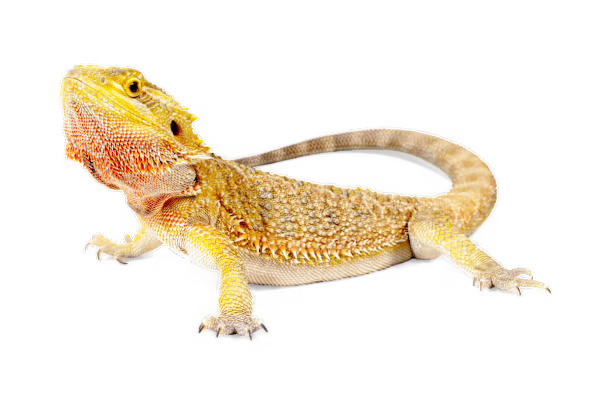
Learn how to care for arid lizards, recommended diet & habitat setup. Find the right food, supplies & equipment at your neighborhood Petco.
Updated on April 9th, 2026
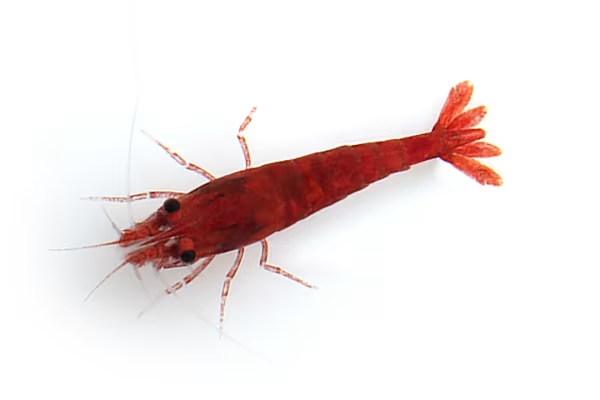
Learn how to care for Freshwater Crustaceans, recommended diet and aquarium setup. Find freshwater shrimp, lobsters and crayfish species at your neighborhood Petco.
Updated on April 9th, 2026
Hello Daniel, thank you for using PetCoach. Don't use hot water! That could damage his eye and it is unnecessary. Room temperature eye wash is recommended like this one: ( https://www.walmart.com/ip/Ocusoft-eye-wash-irrigating-solution-sterile-isotonic-buffered-4oz/460517670 ) Rinse the eye 2-3 times per day. You can use a moisten Q-tip to gently rub the lower eye lid after rinsing to see if you can remove any of the sand. Be gentle so you don't damage the cornea. I actually don't recommend sand or wood chips for a substrate. Newspaper, pea gravel, artificial turf, flat stones or no floor covering are best. Hope this helps. Best wishes!
Updated on September 24th, 2025
Often when a reptile doesn’t want to eat, it is a sign that they don’t feel well. The most common reason behind them not feeling well is imperfections in their husbandry and diet. I would recommend consulting an online care sheet to ensure that your husbandry is as perfect as possible. Common areas of imperfection include temperature, lighting, and humidity. I would also recommend having Ash seen by a veterinarian, as they can help to counsel you about Ash’s husbandry as well. In addition to a thorough physical examination, they may recommend diagnostic testing including radiographs (x-rays) and blood work to evaluate systemic health. I hope that gives you a place to start, and thanks for using Petco Pet Education Center, formerly Petcoach!
Updated on September 24th, 2025
It is always recommended to gut load all prey to maximize nutritional value. Crickets, mealworms and other prey typically arrive from suppliers with a piece of fruit or gel for moisture and cardboard or simple oats for food. When you get them home, offer a high quality baby cereal mix, tropical fish flakes and fresh greens and veggies. The nutrition they receive will then be passed on to Rio. Crickets are more nutritious than mealworms, especially adequately gut loaded crickets. Less chitin as well unless they are freshly molted mealworms. If you feed a diet such as Repashy, Rio shouldn't need additional calcium unless he has a deficiency. This would need to be diagnosed by your herp veterinarian. Since you feed other foods as well, he may not be getting enough calcium, so dusting any live prey would be recommended.
Updated on September 24th, 2025
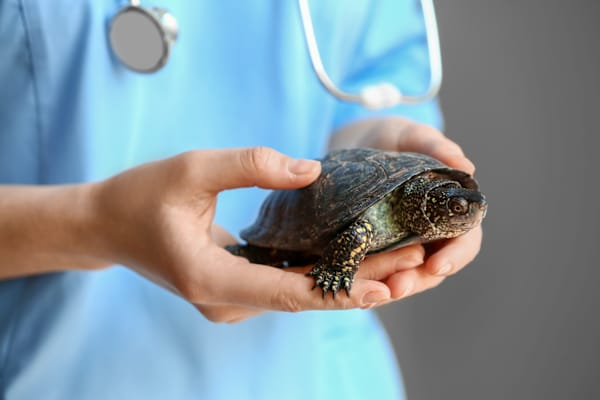
Hello, Harley's diet may be deficient in some sort of mineral. Blandings turtles are omnivorous and eat insects, berries, fish, crayfish, etc... you ensure she is getting a variety of these kinds of feed. Hope this helps.
Updated on September 24th, 2025
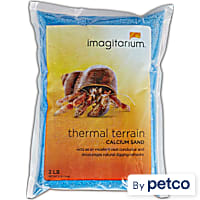
Although some expert may disagree, as long as Ash isn't ingesting the calcium sand then you can continue to use it. Calcium sand is not the same as play sand which would not be recommended. If you don't want to use calcium sand, consider slate, reptile carpet or even paper towels for easy cleaning.
Updated on September 24th, 2025