Two Easy Ways to Start Earning Rewards!
Become a member today! Members-only pricing and offers, personalized care notifications, Vital Care points back on every purchase and more!
 Become a credit card member today!
Earn 2X Pals Rewards points at Petco
when you use Petco Pay!APPLY NOWLearn More About Petco Pay Benefits
Hikari New Fish Food
Get It Today


Related Articles & Questions
 Care Sheets
Aquatic Pet Owners: Stop Invasive Species, Save Our Waterways
Read about Habitattitude and Petco's commitment to protect our environment. At Petco, animals always come first. Learn how you can help.
Updated on October 23rd, 2025
- Care Sheets
Aquatic Pet Safety: Keep Your Home Aquarium Pets Healthy & Safe
Learn how to safely handle your aquatic life to avoid toxin & bacterial exposure. Find aquatic life care supplies at your neighborhood Petco pet care center.
Updated on October 23rd, 2025
- Care Sheets
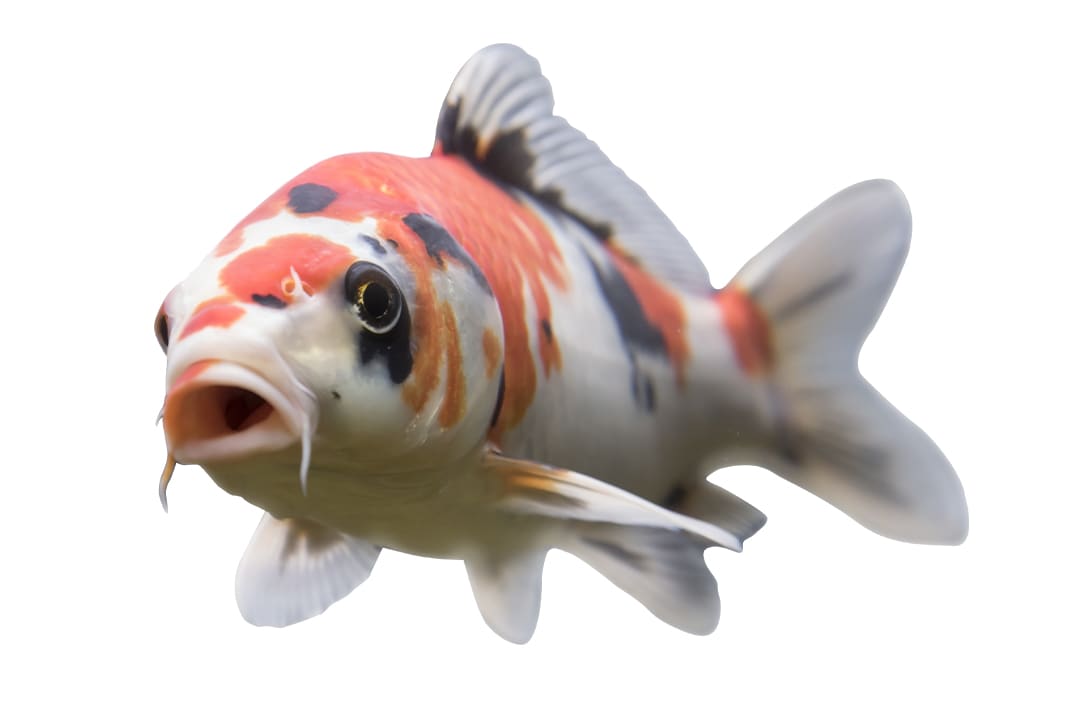
Mastering Koi Care: Optimal Tank, Food, Water Quality & Health Tips
Learn how to care for a Koi, recommended diet and aquarium setup. Find Koi for sale, supplies and equipment at your neighborhood Petco.
Updated on April 9th, 2026
- Care Sheets
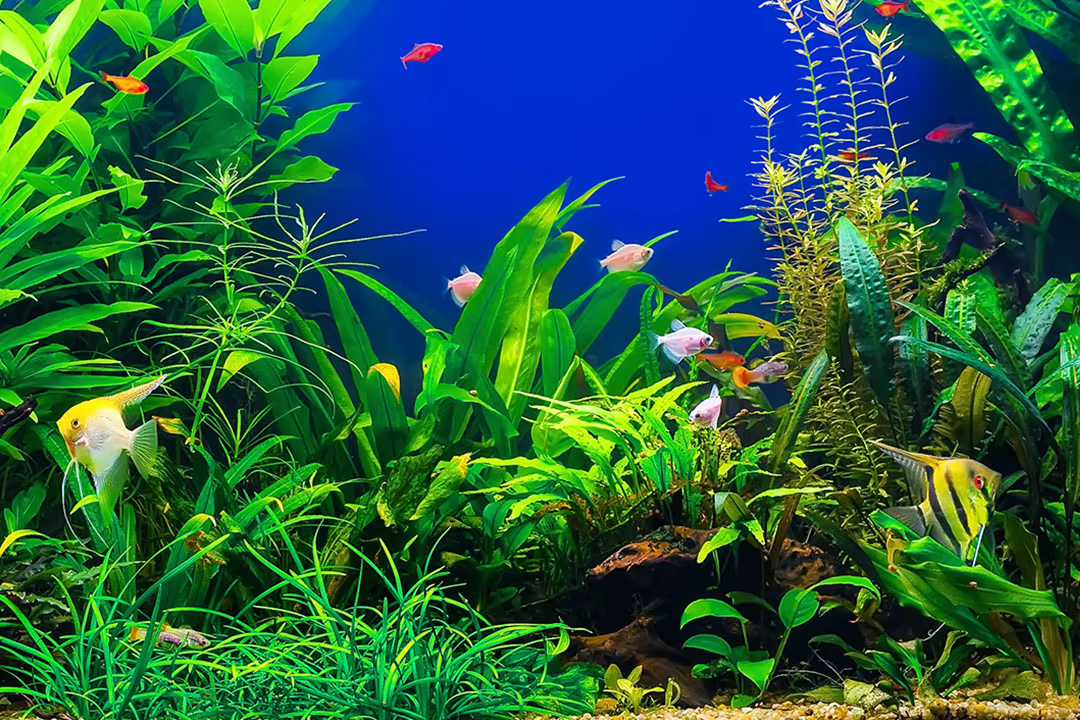
Freshwater Community Fish: Care, Setup & Compatibility Guide
Learn how to care for freshwater community fish, recommended diet & aquarium setup. Find the right food, supplies & equipment at your neighborhood Petco.
Updated on April 9th, 2026
- Care Sheets
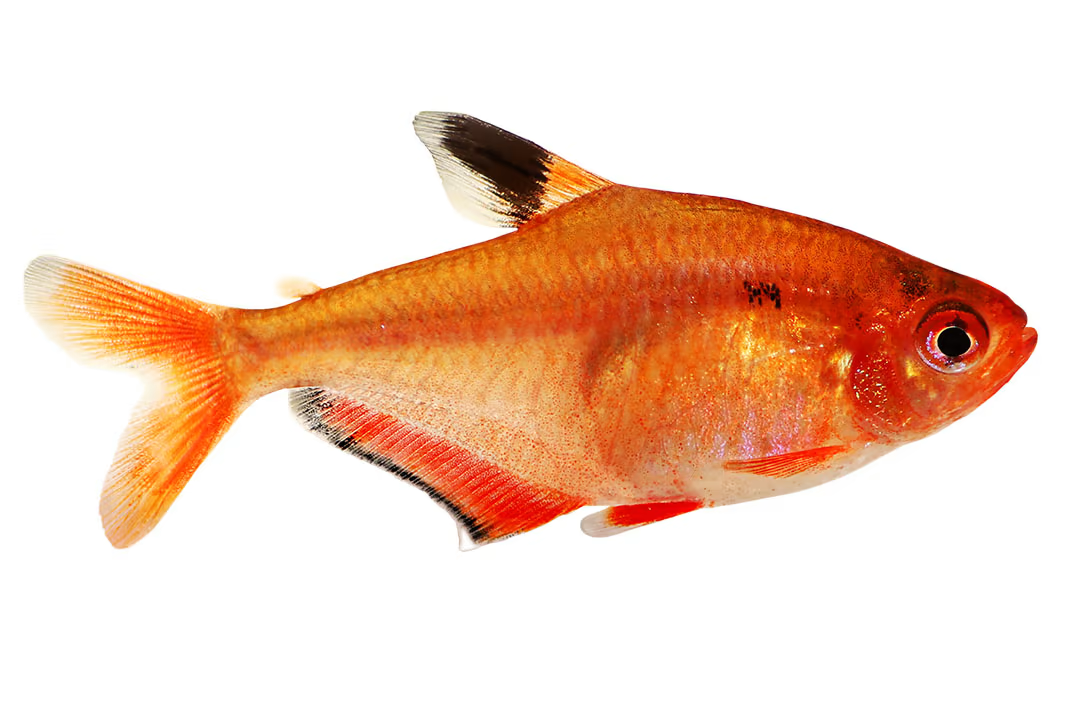
Freshwater Semi-Aggressive Fish: Top Secrets for a Thriving Tank
Learn how to care for semi-aggressive fish, recommended diet & aquarium setup. Find the right food, supplies & equipment at your neighborhood Petco.
Updated on April 9th, 2026
- Food & Nutrition
My new Glofish are hiding and staying at the bottom. Is this normal?
Thanks for your question about your fish, and congratulations on your new family members! I didn't see how recently the tank was set up, but there are a couple of things that could be going on. I would start by checking your water quality - any abnormalities in water quality can make fish have abnormal behaviors, and the water looks a bit murky in the photos you provided. There may be parameters that need to be addressed depending on what you find. If you do not have a water quality kit, they can be purchased at the pet store or an aquarium store, or you can take a sample of your water in for evaluation to these places as well. Some will charge a small fee for this service, just so you are prepared. Also, with recent tank set ups, it can be stressful for fish as they are in a new habitat. I would recommend keeping the light on for only a few hours per day to start, as the bright lights can be shocking for them (since fish don't have eyelids). Gradually you can increase the length of time that the lights are on so that you reach a cycle of 10-12 hours of light and 12-14 hours of darkness for them. I hope this gives you a place to start, and I wish you and your mom the best with the new pets!
Updated on September 24th, 2025
- Food & Nutrition
What fish and supplies are best for a beginner's small tank?
Without anything to use for scale, it is hard for me to tell how big your tank is, but in general it seems very small. Also, the water that is in the tank appears very cloudy right now, so that would be the first place to start. Water quality is very important, and will make or break your ability to house and care for fish. I would recommend getting a good filter system (you can visit a local pet store to assist you with brands in your area, as I am not familiar with what you can get in India). Be sure to bring the measurements (height, length, width) of your tank, or the gallons or liters so they can tell you what capacity of filter you will need. Everything else will depend on what types of fish you get - if you plan on getting multiple fish, they will need to be small - a general rule of thumb is one square inch of fish per gallon of water. Depending on the species you get, you may need to also get a bubbler to ensure there is enough oxygen in the water for them, and you will also likely need to get some sort of substrate for the bottom and cage furniture (different species have different air requirements, and some are secretive and like to hide). You may also need a water heater, depending on the species you would like to house. But, depending on how small your tank is, it may be hard to get a water heater that will fit. The food type will also depend on what species you get, as there can be differences in diet type between species. I hope that gives you a place to start, and good luck!
Updated on September 24th, 2025
- Food & Nutrition
Does Petco sell Mr. Ros marine phytoplankton EPA for dogs and cats?
The experts here on the forum at PetCoach do not work at Petco stores and I don't think anyone would have knowledge of inventory at local stores. I cannot find this particular product on the Petco website. It's possible that it's available at your local store and you could try giving them a call. There are a number of other fatty acid supplements listed on the Petco website that may or may not be available in your local store: https://www.petco.com/shop/SearchDisplay?searchTermScope=&searchType=12&filterTerm=&maxPrice=&top_category=&showResultsPage=true&langId=-1&beginIndex=0&advancedSearch=&sType=SimpleSearch&metaData=%5BLjava.lang.String%3B%4065f965f9&pageSize=24&manufacturer=&resultCatEntryType=2&catalogId=10051&pageView=grid&searchTerm=fatty+acid&minPrice=&urlLangId=-1&categoryId=10056&storeId=10151
Updated on September 24th, 2025
- Food & Nutrition
How to save my new fair fish in a bowl? What should I feed it?
It sounds like you need to take a trip to your local pet store. The clerks there can help you pick out an appropriately size tank with proper filtration and heating that can help keep Sushi healthy. They can also let you know what water treatments you'll need for the water in your area, as well as test any water you bring it to see if it is OK for Sushi to live in. Pet stores will also carry commercial goldfish food which is a balanced diet that is given to them. It should have feeding instructions on it so you know how much is appropriate to give to Sushi.
Updated on September 24th, 2025
- Vet Q & A
Why do my fish keep dying in my newly set up aquarium?
It is possible the tank has not cycled properly which results in high ammonia and nitrite levels which can kill fish. Allow the tank to run, without fish, for at least 4-6 weeks. During this time, use a home test kit or submit a water sample for testing every few days. The local Petco may do this for free or for a small fee. What you are looking for is to have ammonia and nitrites at 0 ppm and nitrates at 20ppm or less. pH can hover around 7 for most community fish. Avoid large, rapid swings in pH though. What is happening in the tank during this time is that beneficial bacteria are populating the gravel/substrate and the filter. These bacterial populations are responsible for the Nitrogen Cycle. This cycle breaks down wastes from fish, uneaten food and plant matter into by-products that are filtered out or dissipate. You can "cycle" a tank with fish, however this increases the risk of loss. Once your tank has cycled, you can add fish. You will still need to monitor water chemistry and perform partial water changes regularly. Use only conditioned water that is temperature matched to prevent stress or shock. You will also need to vacuum the gravel regularly and rinse the filter media. Never use tap water to rinse. Use a bit of tank water to protect bacterial populations in the sponge.
Updated on September 24th, 2025