Two Easy Ways to Start Earning Rewards!
Become a member today! Members-only pricing and offers, personalized care notifications, Vital Care points back on every purchase and more!
 Become a credit card member today!
Earn 2X Pals Rewards points at Petco
when you use Petco Pay!APPLY NOWLearn More About Petco Pay Benefits
Fluval Fish Holiday & Christmas Shop
Get It Today



Related Searches
Related Articles & Questions
 Care Sheets
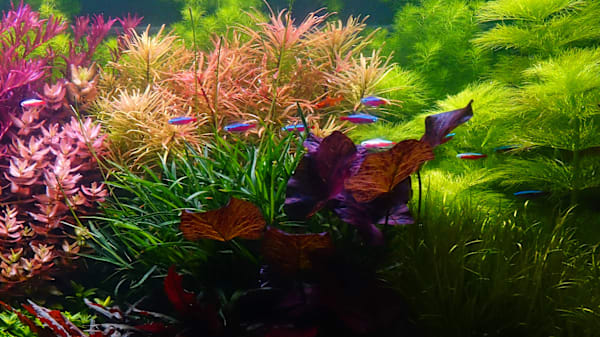
Master Aquatic Plant Care: Lush Aquarium Plants & Happy Fish
Tanks with live plants can be excellent additions to your home, bringing a touch of nature indoors. Learn how to take care of aquatic plants.
Updated on November 6th, 2025
- Home & Habitat
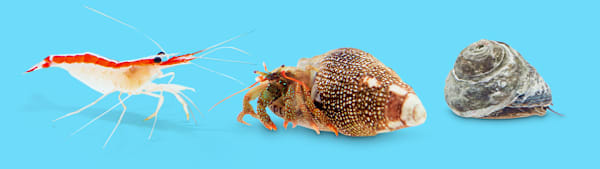
Marine Aquarium Clean Up Crew: Complete Guide
Visit Petco to learn about cleanup crews and how they can help your aquarium health.
Updated on June 19th, 2026
- Care Sheets
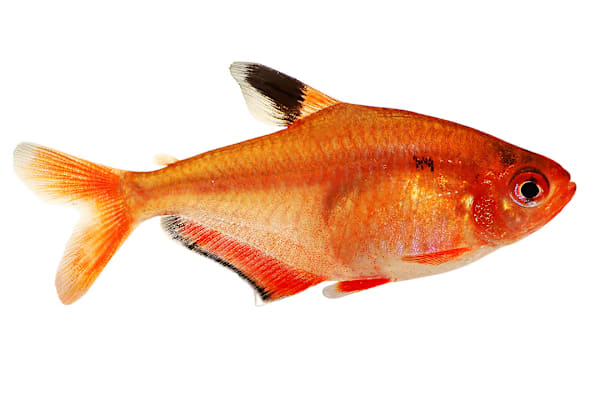
Freshwater Community Fish: Care, Setup & Compatibility Guide
Learn how to care for freshwater community fish, recommended diet & aquarium setup. Find the right food, supplies & equipment at your neighborhood Petco.
Updated on April 9th, 2026
- Home & Habitat
Self-Sustaining Aquarium Fish Tank: Complete Setup Guide
Learn how to make a self-sustaining aquarium. Visit Petco to learn all the steps to create the self-sustaining aquarium of your dreams!
Updated on June 19th, 2026
- Seasonal Topics
12 Winter Holiday Pet Hazards to Know
Keep your pets safe this holiday season by learning about common winter hazards and tips to prevent accidents and injuries.
Updated on June 19th, 2026
- Vet Q & A
My fish is laying on the fake plant and barely moving. What's wrong?
There are several causes that can provoke these signs fro water imbalances to specific diseases like swim bladder ones. This problem requires a quite radical but logic approach. Begin by submitting a water sample for quality testing. Most pet stores will do this for free or a nominal fee. High ammonia levels, PH imbalances may be responsible for that. Oxygen concentration and quality of the filters should be determined as well. If water quality is good and there are no major imbalances, your fish should get examined to look for any sign of bacterial/fungal infection and eventually water should be treated. Please do not hesitate to contact us again on the forum or by requesting a consultation if you have any more questions or to discuss it any further.
Updated on September 24th, 2025
- Health & Wellness
My parrot fish bit me! Can I add a Flowerhorn to their tank?
Thanks for reaching out about your aquarium. Parrot fish do possess teeth-like apparatus on the upper and lower jaw, capable of chewing invertebrates and coral. Using tongs to reach in for plants and other "furniture". Adding a male flower horn could interrupt the dynamics of the group, but also they could get around well. Human bite wounds from fish can possibly lead to infections from the water column, so cleaning your hands with soap and water anytime you enter your hands into the tank is recommended. When adding new fish, especially if concerned about aggression, providing plenty of hiding spots is important and monitoring the fish for aggression is mandatory. Be prepared to remove fish if aggression occurs. Good luck.
Updated on September 24th, 2025
- Vet Q & A
My new fish died quickly after purchase. What are common reasons?
The most common cause of death of a newly acquired fish is usually shock or incorrect water quality. Fish tanks should be set up and left running without fish for at least 3-4 weeks to establish a proper nitrogen cycle. There are products that can shorten this time period. If this is not done, there may be high levels of ammonia, chloramine, nitrates and nitrites which can kill a fish. When introducing a fish, the bag should be floated in the tank for about 30 minutes to acclimate the fish to water temperature. This can prevent shock if the water is too hot or too cold. Test your water quality with a home test kit or submit a sample for testing. Most pet stores or aquarists will do this for free or for a nominal fee. Correct any imbalances as indicated. Slowly acclimate any new fish as written above. You can request a consultation to discuss your concerns in greater detail if necessary. Buying fish and starting a tank can be quite confusing initially.
Updated on September 24th, 2025
- Vet Q & A
Power went out! How to oxygenate my fish tank without electricity?
Hi there! The fish will probably be ok for a day, but if the power doesn't come back on, you should consider purchasing a battery-operated aerator. I highly recommend that all fish owners keep one of these on-hand for situations like this. I don't know if this person ships to Turkey, but a similar product would be fine, too: https://www.ebay.com/p/Rapala-Battery-Powered-Aerator-Model-Raertr-c/1000293148?iid=371986500727 Most fish will come to the surface for air, but they really do need dissolved oxygen to thrive. Good luck!
Updated on September 24th, 2025
- Training & Behavior
Traveling with my pet for holidays: Is flying safe? What to pack?
The safety of flying with pets varies widely depending on an individual pet’s temperament, anxiety level and underlying health issues, as well as the duration of the flight and temperature both at the destination and departure location. Generally speaking, most pets do not make the best travel companions while flying, as they can become very anxious with the hustle and bustle of the terminal, loud noises on the airplane and handling during security checkpoints. Anxious pets are more likely to become destructive, vocal or have accidents. Larger pets need to travel in crates in the baggage compartment of the plane, where they are unsupervised and may be exposed to extreme temperatures for potentially prolonged periods of time while waiting to be loaded or unloaded from the plane. In addition, most airlines require a veterinarian to sign off on the health of the pet before they can fly in cargo. When possible, most pets will be more comfortable and safer if left at home with a trusted friend or pet sitter or may travel better by car. If you must travel with your pet, be sure to pack a travel water bowl, extra food, a leash, travel litter pan, supply of medication and bags for cleanup. Always discuss the safety of flying with your individual pet with your veterinarian.
Updated on September 24th, 2025