Two Easy Ways to Start Earning Rewards!
Earn 2X Pals Rewards points at Petco
when you use Petco Pay!
Get It Today
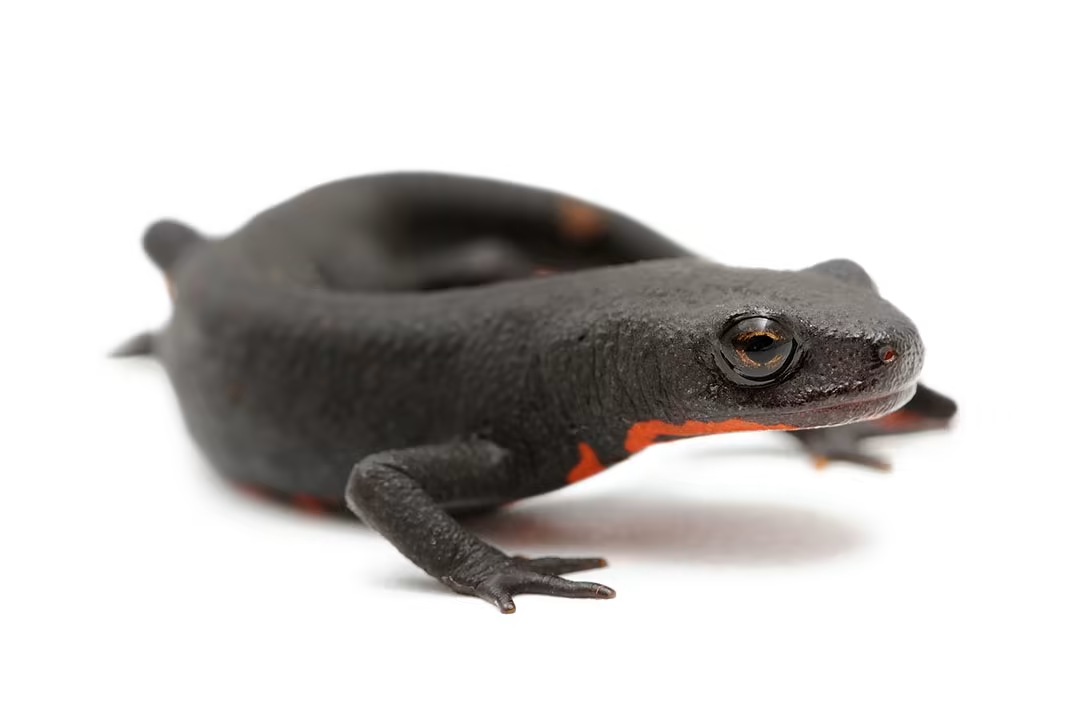
Learn How to Care for a Salamander & Newts, recommended diet and habitat setup. Find the right food, supplies and equipment at your neighborhood Petco.
Updated on November 13th, 2025
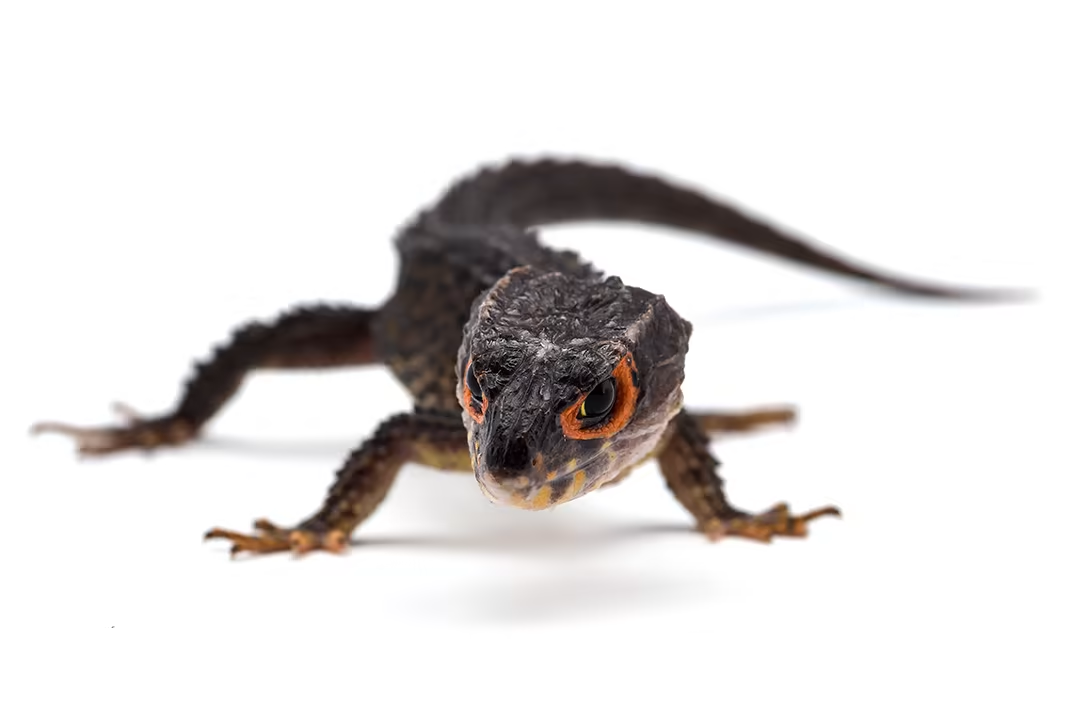
Learn how to care for Red-Eyed Crocodile Skink, recommended diet & aquarium setup. Find the right food, supplies & equipment at your neighborhood Petco.
Updated on November 13th, 2025
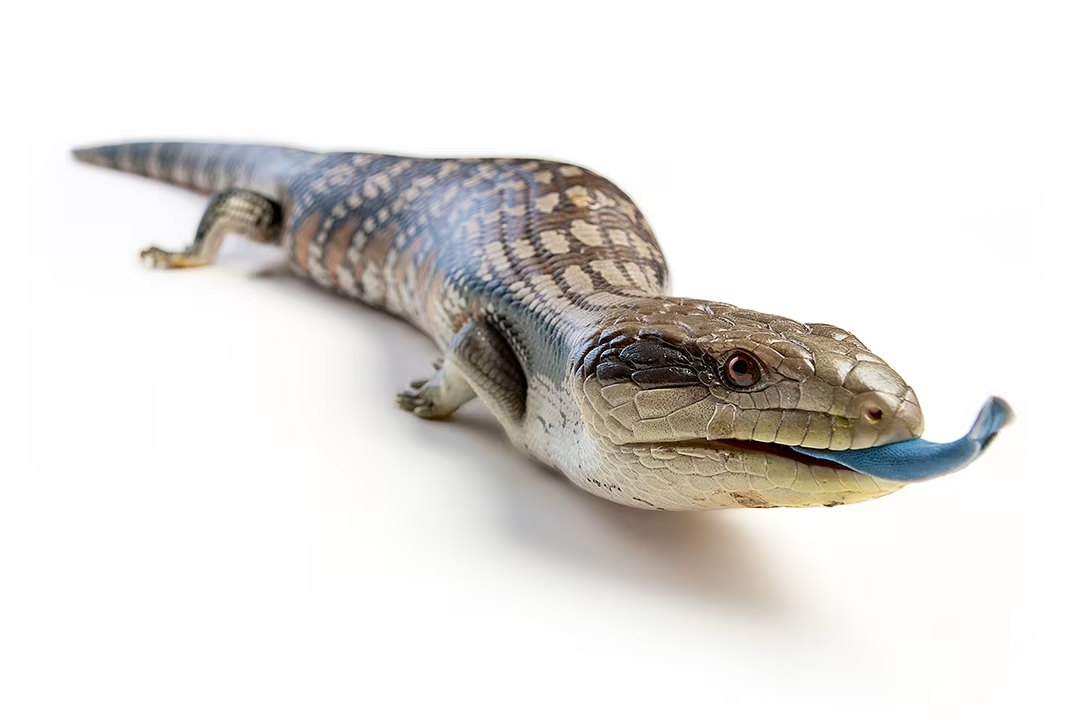
Learn how to care for Blue-Tongued Skink, recommended diet and habitat setup. Find the right food, supplies and equipment at your neighborhood Petco.
Updated on November 13th, 2025
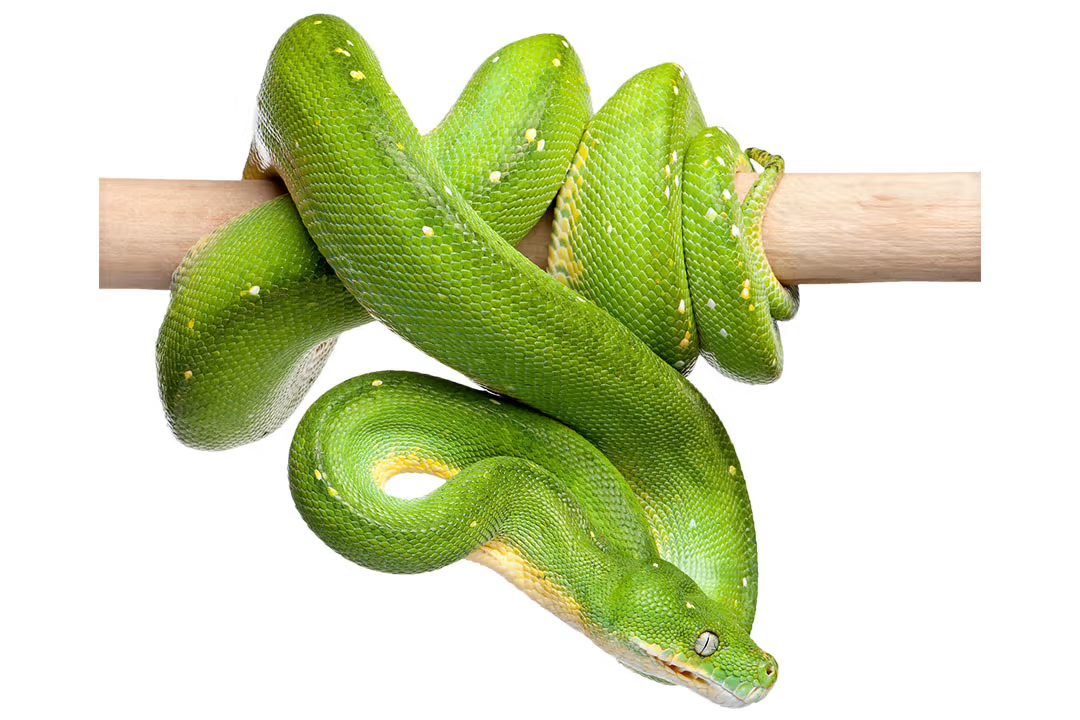
Learn how to care for a Python, recommended diet & habitat setup. Find the right food, supplies & equipment at your neighborhood Petco.
Updated on November 13th, 2025
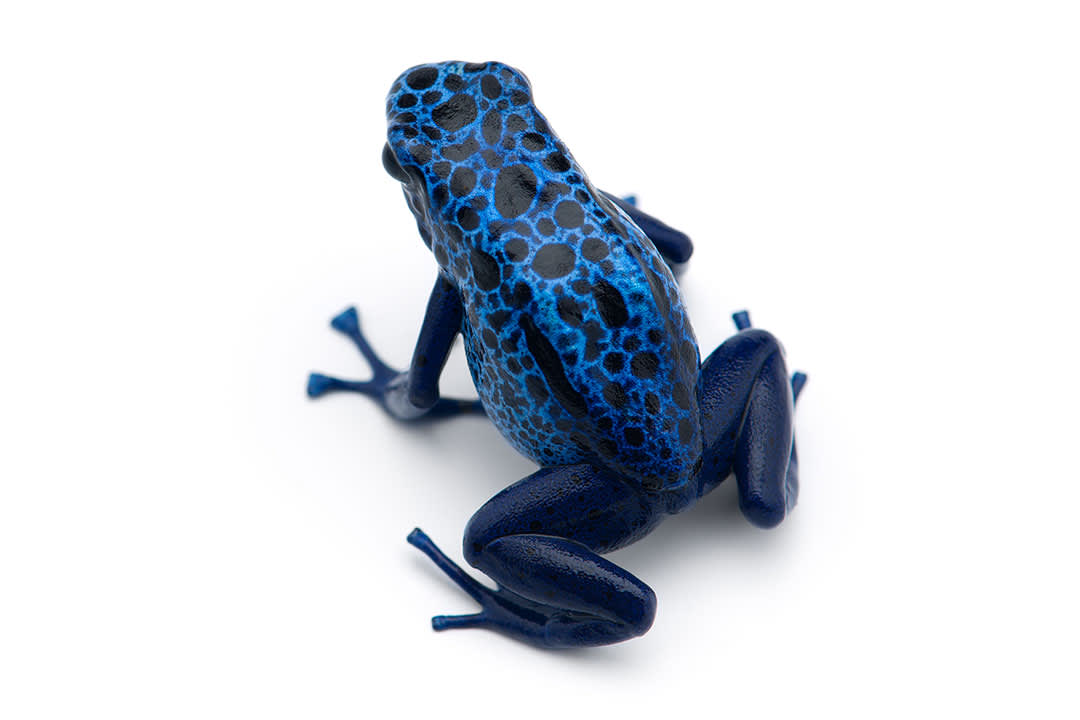
Learn how to care for small Terrestrial Frogs, recommended diet and habitat setup. Find the right food, supplies and equipment at your neighborhood Petco.
Updated on November 13th, 2025
It does appear to be of the takydromus species. These grass lizards are common and fairly easy to keep. Being adept climbers, more vertical space should be offered in an enclosure. Branches and vines can be placed for climbing. Bring reptiles, they need an external heat source and UVB lighting. Daytime temps can range from 24 C to 30 C (75-85 F). Provide a basking spot of around 35 C to 38 C (95-100 F) using a heat lamp. Aim for 70-80% humidity. Provide a shallow bowl for water. Mist the cage daily. Feed appropriately sized prey, no bigger than the space between the eyes, that have been gutload for 24 hours prior to offering. This will maximize nutritional value. Crickets, mealworms, dubia roaches, waxworms or wingless fruit flies can all be offered. Dust prey with a calcium supplement and a multivitamin supplement several times weekly. Ideally, the wound should be addressed by a veterinarian experienced in treating reptiles. You can clean it with dilute Betadine or chlorhexidine
Updated on August 12th, 2025
Confirm proper environmental parameters, especially temperature. Low temps can affect appetite in reptiles and amphibians. Be sure you are offering appropriately sized prey as well. Nothing bigger than the space between the eyes. I would suggest you correct the type of pet you have in the information section. I don't think you have a tadpole if he hangs out with you on the desk. Knowing the species allows us to provide more accurate advice.
Updated on August 12th, 2025
Thanks for reaching out about Buddy. The only answer is to offer less or no treats. Check and correct husbandry parameters such as water and basking temperatures, UVB exposure and diet. Whole live fish are nutritious and provide some foraging behavior. Good luck.
Updated on August 12th, 2025
While rescue pets can have a variety of reasons that they show behaviors such as fear, shyness, etc, I would also consider that Thelma is a reptile. While many, like bearded dragons, geckos, and even some snakes, can grow accustomed to being "pet", instinctively, their first reaction will usually be to avoid being touched. We can't forget that these animals, in the wild, if they allowed themselves to be handled, would likely not meet a very good end. But keep up with the bonding. It may take longer than you like, but even reptiles can grow to love affection! I had a ball python which loves to come out and wrap herself around my arm and hand for hours.
Updated on August 12th, 2025
Go back to basics. Check the temperature and humidity in the enclosure, make sure prey aren't too big and confirm she isn't ill or injured. This may require a physical exam with your veterinarian. Consider supplementing with Fluker's Repta-Boost, or similar product, to get additional nutrients and calories into her.
Updated on August 12th, 2025