Two Easy Ways to Start Earning Rewards!
Become a member today! Members-only pricing and offers, personalized care notifications, Vital Care points back on every purchase and more!
 Become a credit card member today!
Earn 2X Pals Rewards points at Petco
when you use Petco Pay!APPLY NOWLearn More About Petco Pay Benefits
Exo-Terra Snake Tanks & Terrariums



Related Searches
Related Articles & Questions
- Care Sheets
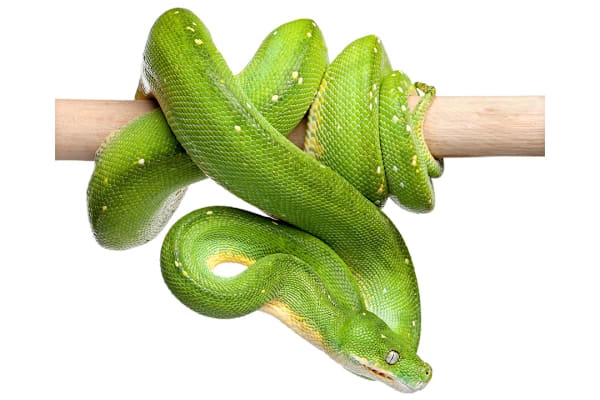
Raise a Healthy Python: Food, Habitat, Health & Handling Tips
Learn how to care for a Python, recommended diet & habitat setup. Find the right food, supplies & equipment at your neighborhood Petco.
Updated on April 9th, 2026
- Care Sheets
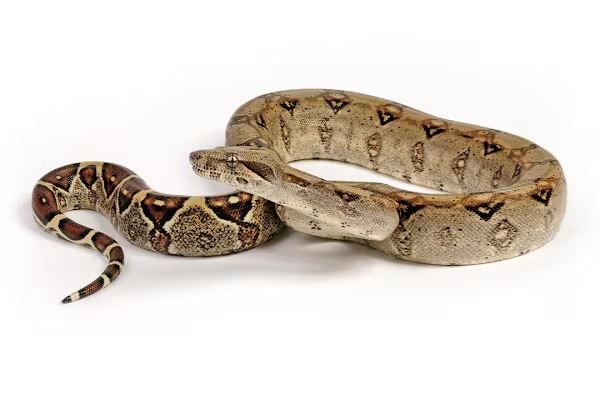
Red-Tailed Boa Care: Master Habitat, Diet & Health for Your Boa
Red-Tailed Boas require a large area and need consistent interaction with humans to remain tame.
Updated on April 9th, 2026
- Care Sheets
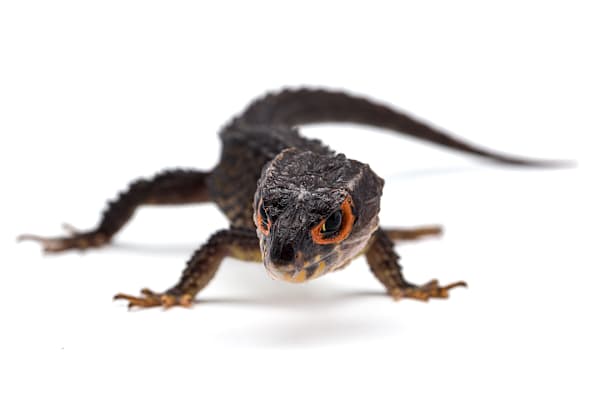
Ultimate Red-Eyed Crocodile Skink Care Guide: Habitat, Food & Health
Learn how to care for Red-Eyed Crocodile Skink, recommended diet & aquarium setup. Find the right food, supplies & equipment at your neighborhood Petco.
Updated on April 9th, 2026
- Care Sheets
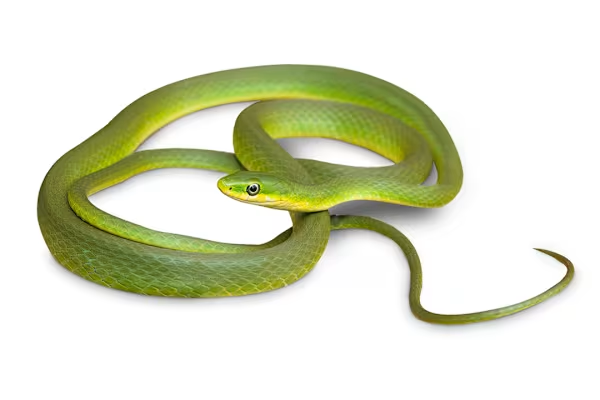
Rough Green Snake Care: Habitat, Diet, Health & Happy Pet Guide
Learn how to take care of Rough Green Snakes, recommended diet and habitat. Find the right food, supplies and equipment at your neighborhood Petco.
Updated on April 9th, 2026
- Care Sheets
Arid Skink Care: Your Ultimate Guide to Habitat, Food & Health Tips
Learn how to care for an Arid Skink, recommended diet and habitat setup. Find the right food, supplies and equipment at your neighborhood Petco.
Updated on April 9th, 2026
- Training & Behavior
My snake won't eat or poop after tank changes and no heat lamp.
The changes to his enclosure may have caused stress. Low temps can affect digestion in reptiles. If temps were down, this could affect defecation. Try soaking him in a warm 50/50 solution of water and unflavored PediaLyte for 20-30 minutes. This will provide warmth and hydration. To stimulate defecation, gently massage the belly from front to back during the soak. If the behavior persists, consider an exam with your veterinarian or vet experienced in treating reptiles.
Updated on September 24th, 2025
- Vet Q & A
My power is out! How do I keep my pet reptile warm and safe?
Here are some tips on how to care for pets who require continuous heat, such as reptiles and snakes: - Before a power outage, if possible, buy a generator. This will allow you to keep your reptiles warm during the outage. - Amphibians will do okay without heat for a period of time. Try to limit the number of times you open the habitat. - For a heat source, you can go to your local sporting goods store and purchase the heat packs used to warm feet and hands. These can be placed underneath the habitat (just like you would place an electric heating pad). This will allow your reptile to get heat. Do not put the pack into habitat with the reptile. - Another way to warm cold reptiles is to use a pillowcase. Place the reptile gently in the case and place the pillowcase next to your body under your shirt for warmth. - Pillow cases can also be used to transport reptiles if needed. - Do not feed your reptile as they need heat to digest their food. - You can save plastic milk containers and put warm water in them and place in the habitat for warmth. You can heat water on a BBQ grill or your hot water heater. Be careful not to use hot water, as it could burn your reptile. - Be advised that most reptiles will do fine with cooler temperatures; they go into a body slow down, so the temperature change won't hurt them for a short period of time: 24 - 48 hours. - Contact friends that have power and see if you can move your animals to their homes. - It is important to plan ahead of a power outage and have these items on hand to care for your reptiles. Additionally: Usually, IF a reptile needs to be kept warm during a short outage (few days or less), it is recommended that you place them into a small cooler (those little $5 styro ones can work) in a small container. A plastic shoebox or sandwich container can work, with some air holes. Hand warmers, hot water bottles, etc. can be placed into the cooler as well. This will form a very insulated area with a small amount of volume to heat. Be sure there is ventilation provided, though, as the hand warmers can suck oxygen from the air for the chemical reaction. This is a method that can be carried out for a relatively long period of time if necessary, and a digital thermometer with a probe can be placed in with the reptile and monitored from the outside, so you don't have to open the cooler and let out the warmth to check that the heat packs are still working. In all honesty, though, all but the most tropical reptiles can go a few days with temperatures into the 50's or 60's.
Updated on September 24th, 2025
- Vet Q & A
Why hasn't my snake shed or pooped in 2 months and regurgitated?
This is a cloacal prolapse that you are seeing. The cloaca is the common tube where all the feces, urine and reproductive tracts meet and is just inside the opening there. This can happen in a few different cases such as stones in the urine or stool, or egg binding if Titan was mature a female. If you have not seen Titan shed and he/she has not been defecating regularly, then I would be suspicious of dehydration. If Titan came from the wild, then parasites would also be a suspicion. The humidity should be good in your area, but I would ensure the humidity is at least 60%. If you don't have a hygrometer, then this can be purchased from the pet store. The best this you can do is take Titan to a reptile vet for an exam. There may be something going on that you would not be able to correct at home. For now, I would soak Titan in warm water for 15-30 minutes a day. I've put a link to a video that shows how to soak a snake. Make sure Titan also has an area in the enclosure where he/she can soak as wanted. To ensure everything else is being done right I've also included a link to great information about python care. https://www.youtube.com/watch?v=bmgYm-GghM8 http://www.anapsid.org/ball.html I hope that helps and Titan gets better soon.
Updated on September 24th, 2025
- Vet Q & A
Why is my cornsnake lethargic and not eating after being outside?
Check the temperature in their enclosures. Low temps can affect appetite and activity in reptiles. If you keep them in the same enclosure, consider housing them separately to avoid stress or aggression. Survey the area in and around the enclosures for any negative stimuli. This may include loud noises, strong vibrations, bright lights, cold drafts or high traffic. Reduce or eliminate any if found. Letting them out on the lawn or in the garden is not recommended as they could escape, get injured or pick up parasites.
Updated on September 24th, 2025
- Vet Q & A
What are these red bleeding spots on my ball python after shedding?
Possibilities include infection, parasites, burns or trauma (from a fall or bedding). Changing out the bedding was a smart move. Take it a step further and remove all cage furniture in case Erebus is climbing then falling. Confirm proper temperature and if you have a heat rock, remove it immediately. An exam with your veterinarian or a vet experienced in treating reptiles would be recommended to diagnose illness or injury.
Updated on September 24th, 2025