Two Easy Ways to Start Earning Rewards!
Become a member today! Members-only pricing and offers, personalized care notifications, Vital Care points back on every purchase and more!
 Become a credit card member today!
Earn 2X Pals Rewards points at Petco
when you use Petco Pay!APPLY NOWLearn More About Petco Pay Benefits
EveryYay Conure Perches & Stands
Get It Today



Related Articles & Questions
- Care Sheets
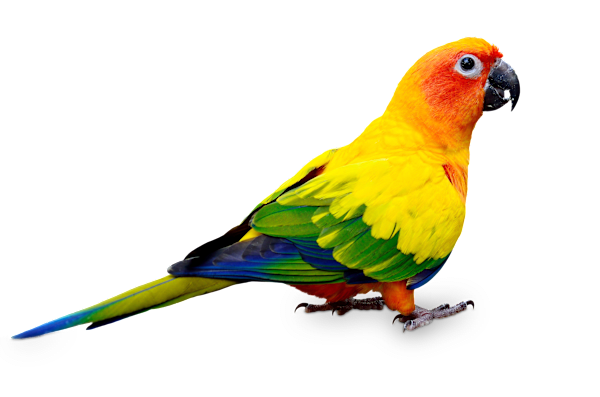
Conure Care Guide: Food, Habitat, Health & Tips for a Thriving Conure
Learn how to take care of Conures, recommended diet and housing setup. Find the right food, supplies and equipment at your neighborhood Petco.
Updated on April 9th, 2026
- Care Sheets
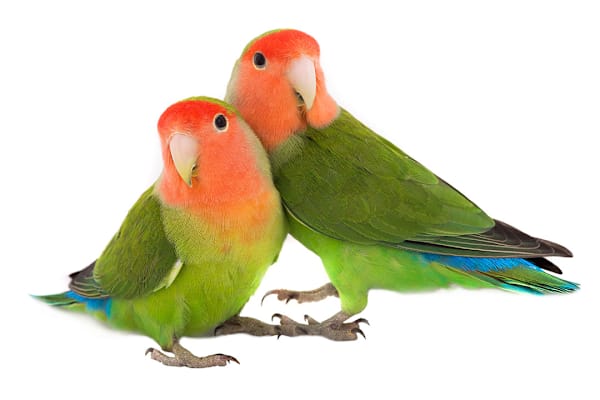
Lovebird Care: Your Complete Guide to Food, Habitat & Health
Learn how to take care of your Lovebirds, recommended cage size, diet and housing setup. Find the right food, supplies and equipment at your local Petco.
Updated on April 9th, 2026
- Care Sheets
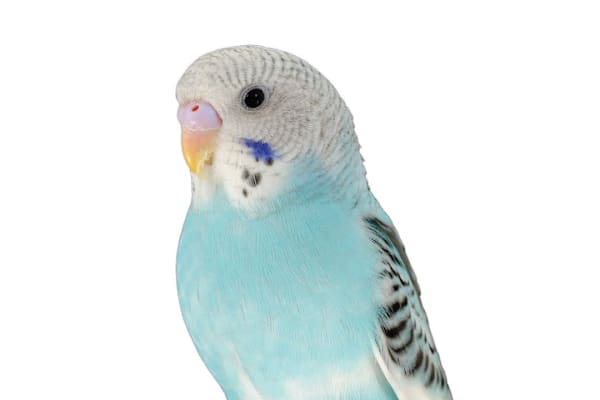
Parakeet Care: Your Complete Guide to Budgie Food, Habitat & Health
Learn how to care for parakeets (budgies), recommended diet and habitat setup. Find the right food, supplies and equipment at your neighborhood Petco.
Updated on October 23rd, 2025
- Health & Wellness
Bird Emergency? Essential First Aid Kit & Steps to Save Your Pet
Get prepared to react calmly and efficiently when accidents happen by learning basic bird first-aid skills and putting together a pet bird first-aid kit.
Updated on October 23rd, 2025
- Health & Wellness
Protect Your Bird: Identify Toxic & Safe Plants for Your Bird's Home
Review a description of the toxic or poisonous plants for birds, and a listing of plants considered safe for pet birds.
Updated on June 19th, 2026
- Vet Q & A
What are the best perches for my black capped conure's healthy feet?
It is best to provide Ava with a few different types of perches. They should range in diameter. Natural perches are best, as they provide varying shapes which is best for your bird’s feet. A pedicure perch is also recommended (ie: "sweet feet" perch) which is a textured perch that helps keep toenails trimmed and smooth, as well as the bird’s beak. You can find a plethora of perches on Amazon. ( https://www.amazon.com/natural-perches-Parakeets/s?k=natural+perches+for+Parakeets )
Updated on September 24th, 2025
- Food & Nutrition
Why do my parakeets chew perches and only eat from high food dishes?
It is not uncommon for birds to chew at one particular spot on a perch. It looks like you have a number of wooden dowel perches in the cage - you could try to vary these by providing Manzanita wood perches (they look more like branches) and this may provide them with some areas that they can clean their beaks and wear their nails as well. For your question about the food dishes - it is very common for birds to only utilize materials (including food, water, toys, and perches) that are at the top of their cage. The reason for this is that they typically live in the trees, so they like to be high up the majority of the time. I would advise removing the dishes that are down low, and only providing dishes high in the cage. You can still provide multiple dishes if desired, in case you have some competition for food among the birds in the family. I hope that answers your questions, and thanks for using Petco Pet Education Center, formerly Petcoach!
Updated on September 24th, 2025
- Food & Nutrition
My 8-week-old Sun Conure is on formula. What should I feed him?
AT this age, he should be weaning. Begin introducing a pelleted diet, about 1/4 cup daily to start. Harrison's, Roudybush, Lafeber or Pretty Bird are excellent brands. You may still need to provide supplemental feedings. Monitor his weight closely. You can also offer fresh greens and vegetables as well as a seed mix such as NutriBerries.
Updated on September 24th, 2025
- Training & Behavior
How to stop an overstimulated Conure from biting due to excitement?
Hello! It could be that Rico is going through a bit of "phase" and would benefit from some additional training on biting, or he may be understimulated, which is why he is getting so excited when you are finally home. Providing him with some enrichment such as puzzle toys he can chew on and has to work to get a prize from, playing music or a show while you're gone for him to listen to, or adding more time outside of his cage on play structures when you are home may help him to get a little more stimulation without resorting to problem behaviors. I'm also including a few articles that may help as well! https://www.petcoach.co/article/bird-biting-why-they-do-it-and-how-to-correct-it/ https://www.petcoach.co/article/basic-bird-care/
Updated on September 24th, 2025
- Grooming
My bird has dry feet, wobbly nails, and a sharp beak. What's wrong?
Follow directions for application on the container. Some sprays can be used directly on the bird (avoiding the eyes, nose and mouth), others cannot. Clean and sanitize her cage, bowls, perches and toys. Discard anything that cannot be sanitized. Change the cage paper or substrate daily. Provide a mineral block, pumice stone or cuttlebone to maintain beak length. Your avian veterinarian can trim the beak if necessary. Concrete or textured perches can also be used as they promote healthy feet as well as provide natural beak trimming opportunity.
Updated on September 24th, 2025