Two Easy Ways to Start Earning Rewards!
Earn 2X Pals Rewards points at Petco
when you use Petco Pay!
Learn how to prevent disease in small animals. As a pet parent it is important to know when one of your small animals is diseased and how to treat it.
Updated on October 23rd, 2025

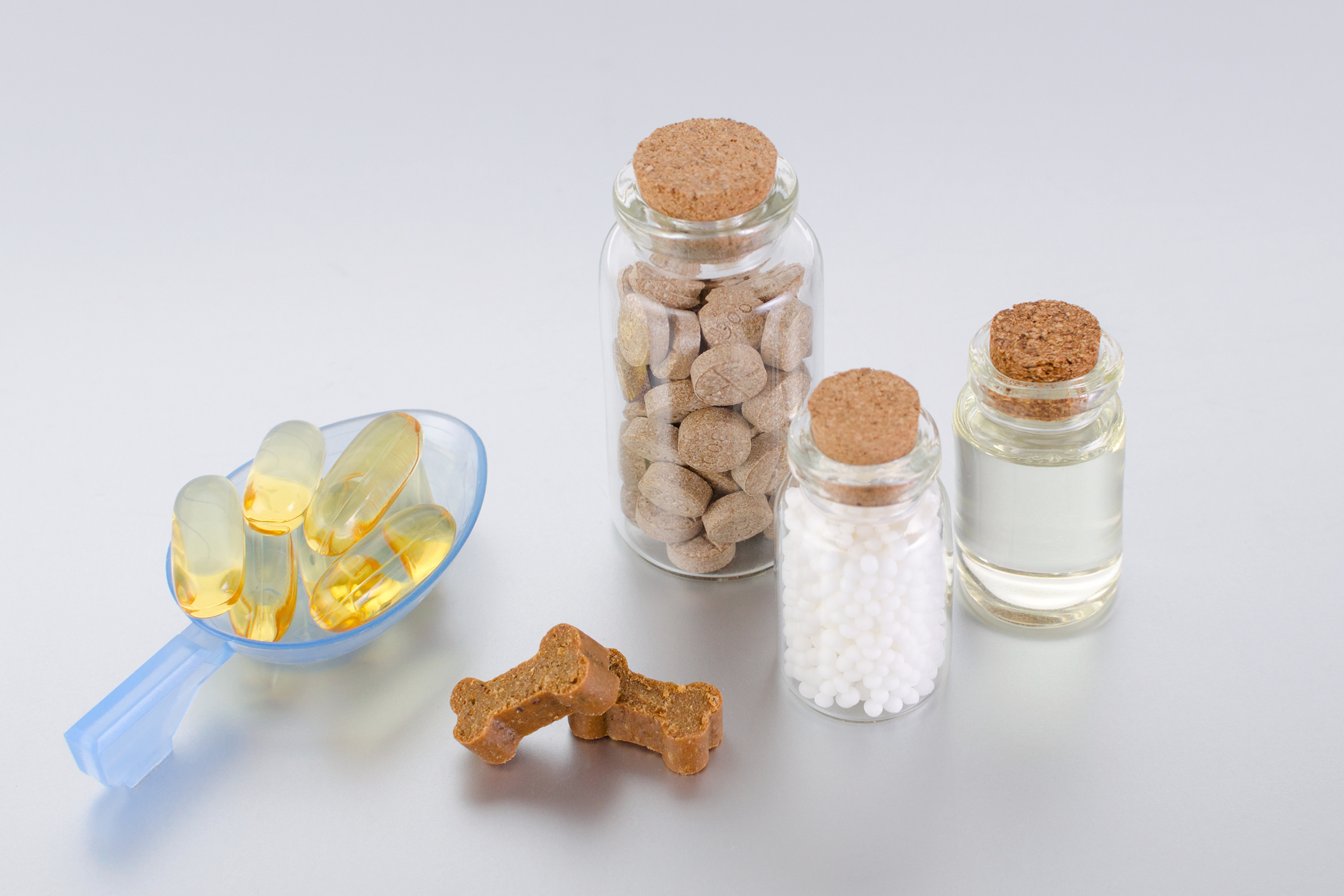
Discover how to choose the best supplements for your pet’s health, from essential vitamins to joint support and digestion aids. Learn age-specific and seasonal supplement tips for cats and dogs.
Updated on June 19th, 2026
You may have heard that flea and tick prevention are crucial for dogs and cats, but do you know why? Petco is sharing why and how to prioritize pest prevention for your pet.
Updated on June 19th, 2026
Vet authorized diets are typically needed only when a pet has specific health issues, but learning about how they're different from "normal" foods can help you be a more well-rounded pet parent.
Updated on June 19th, 2026
Check out the Petco guide and learn how to diagnose and treat your dog’s Lyme disease. Most common symptoms, transmission, cause and more.
Updated on June 19th, 2026
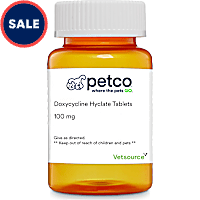
Hi, thanks for using Petco Pet Education Center, formerly Petcoach! Yes, doxycycline is used to treat tick borne diseases. It seems as though the doxycycline is coated in a probiotic. I can't say I've seen this form in the US but it should be fine. Have a good day!
Updated on September 24th, 2025
This is a great question. Doxycycline falls into the category of antibiotics called tetracyclines. Other tetracyclines- namely oxytetracycline- are shown to disturb bone and teeth developement in fetal skeletons or in young growing animals. Doxycycline is MUCH less likely to do this than other tetracyclines. Even so, the formulary recommends considering the risks and benefits before prescribing. Though I don’t routinely give this to kittens (I prefer clavamox) I do often give it to puppies. I have not yet seen or heard of a case of abnormal bone developement with doxycycline in kittens or puppies - but it could theoretically happen. In my opinion, doxycycline is a great drug for upper respiratory infections in cats- especially in a shelter situation which may not have the labor, funding, or storage abilities of my suburban clinic. I also feel that - especially in a shelter situation - the benefits far outweigh the risks. I am far more worried about a kitten in a shelter dying from complications from a URI than I am about the minuscule chance of affecting bone development. Of course, if your shelter had plenty of liquid clavamox and people to administer it, it wouldn’t be a bad idea to switch the young ones to something like that. Hope this helped clarify some things! Thank you for all you do!
Updated on September 24th, 2025
Thank you for contacting Petco Pet Education Center, formerly Petcoach with your question about Mia, but unfortunately we are not allowed to give specific dose information for a pet in regards to a medication. That would be like prescribing the medication to the pet, which is illegal without seeing her in person. It's also against the user terms of the site. This dose information can only be obtained from the vet who prescribed the doxycycline for Mia, and I would speak to her vet to get that information. Best of luck.
Updated on September 24th, 2025
Hello. I wonder if perhaps the labels were mixed up. Normally, Doxycycline would be prescribed at 5-10 mg/kg ( 136-272 mg ) every 12 - 24 hours & the niacinamide 500 mg every 8 hours. Now if your vet actually sent home tetracycline, then the dose would be 500 mg every 8 hours. But if the Doxycycline was substituted for the Tetracycline, then the total dose should be less. I would definitely double check this with your veterinarian as soon as possible. Thanks for using Petco Pet Education Center, formerly Petcoach.
Updated on September 24th, 2025
Hello and thank you for contacting Petco Pet Education Center, formerly Petcoach. The recommended dose of doxycycline for Lyme disease is 20mg/lb once daily, so Joey should be taking around 200mg a day. Rarely doxycycline is used at higher doses or more frequently than once every 24hrs. Please, get in touch with your local vet to discuss the treatment as it sounds that the dose should be slightly adjusted.
Updated on September 24th, 2025