Two Easy Ways to Start Earning Rewards!
Earn 2X Pals Rewards points at Petco
when you use Petco Pay!
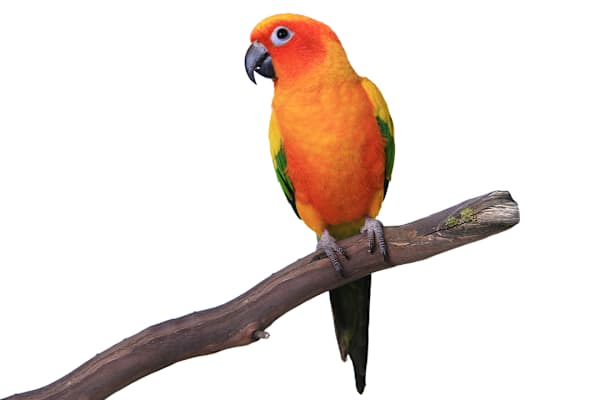
Learn how to take care of Sun Conures, recommended diet and housing setup. Find the right food, supplies and equipment at your neighborhood Petco.
Updated on April 9th, 2026
Read more about changes in your pet birds' behavior like biting, feather plucking and more.
Updated on July 17th, 2026
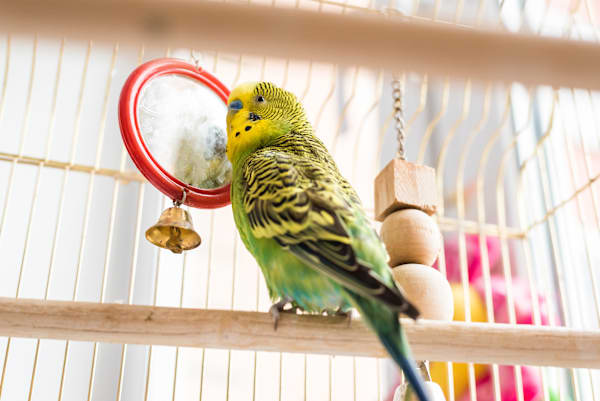
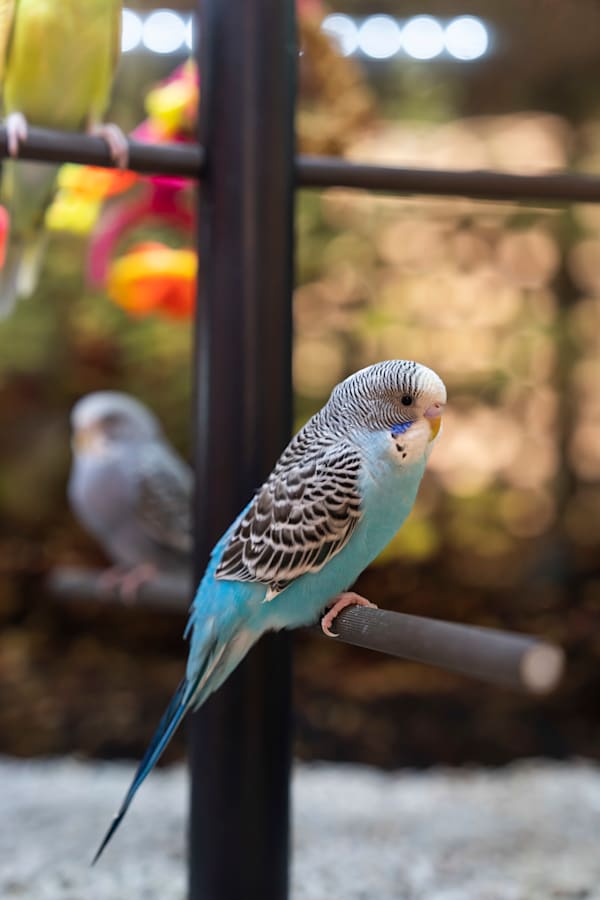
Learn tips about breeding Parakeets in a safe way. Search Petco to keep your feathered friends happy & healthy.
Updated on June 19th, 2026
Molting is a normal process for your bird. Learn when it happens, and what signs to look for in case you need to see your vet.
Updated on September 13th, 2025
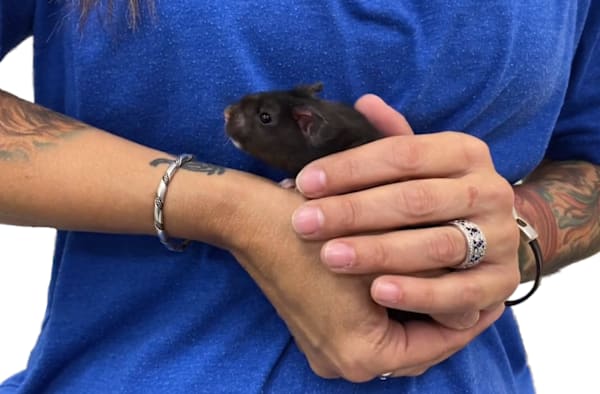
Learn about hamster habitats, bedding and nesting which will help your hamster to live a long and happy life.
Updated on June 19th, 2026
I would recommend training Peri with lots of treats, whatever is his favorite fruit or veggie (you should use seeds in moderation). Make every interaction you have with Peri be a positive one, even if you are doing something as simple as cleaning his cage. Once he realized seeing/being with you results in a positive reward he will begin to grow more comfortable around you. I hope this helps. Thanks for using Petco Pet Education Center, formerly Petcoach. Best of luck.
Updated on September 24th, 2025
Hi, and thank you for this question, Two weeks are not always enough to train a bird. Most cockatiels don't speak at all, some will imitate noises but will usually not speak. As to perching on a shoulder or a hand, if the bird was not hand-fed at as a baby it may not be adjusted to humans at all, and may never get really tame. If it is tame and just doesn't want to perch on you, try offering rewards (treats) when he does.
Updated on September 24th, 2025
There is a possibility that he has a renal tumor that is pressing on the femoral nerve making it unable to stand. There may be other causes. It is a very general sign, so you should take your bird to an avian veterinarian for an exam and treatment.
Updated on September 24th, 2025
Hello Chanel and congratulations on your new pet. Here are some links with helpful information: https://www.petcoach.co/article/cockatiels-nymphicus-hollandicus-species-profile-coloration/ https://www.petcoach.co/article/basic-bird-care/ https://www.petsmart.com/learning-center/bird-care/cockatiel-care-guide/A0065.html https://vcahospitals.com/know-your-pet/cockatiels---general-information A single bird is more likely to bond with it's owner BUT you MUST devote a lot of attention to it every day or it could become lonely. These are very smart birds and they need stimulation or they can develop depression and other neurosis. Two birds are more likely to bond with each other but that's not to say they won't bond with you as well. They still need stimulation but will keep each other company. I hope this helps and please feel free to post any additional questions.
Updated on September 24th, 2025
Ouch! Those feet should be checked out by a vet and some blood tests run to make sure there isn't a nutritional deficiency or other illness causing the foot problem. If your bird checks out OK, then it may be a genetic deformity that will be there for life. Birds that have trouble perching or getting around may do better with large, flat perches, or flat shelf-like platforms so they can rest their feet and move around without falling off. Food and water dishes with similar shaped platforms can also help make it easier for your bird to access.
Updated on September 24th, 2025