Get It Today
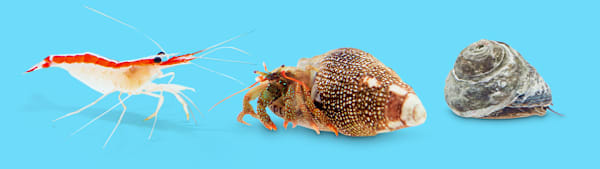
Visit Petco to learn about cleanup crews and how they can help your aquarium health.
Updated on October 23rd, 2025

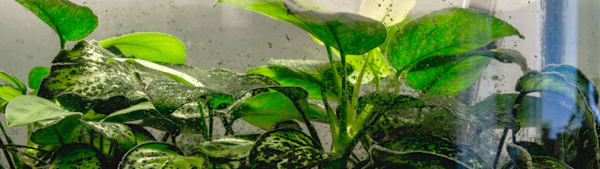
Tanks with live plants can be excellent additions to your home, bringing a touch of nature indoors. Learn how to take care of aquatic plants.
Updated on November 6th, 2025
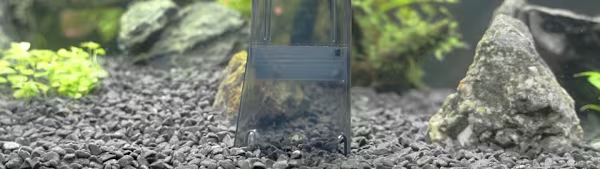
Gravel vacuuming helps remove solid waste from your substrate. Learn about the different types of gravel vacuums available & how to clean your fish tank.
Updated on October 23rd, 2025
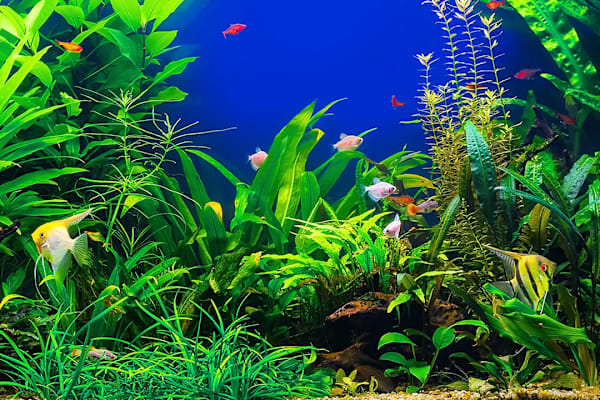
Find out what tools you’ll need and discover the best way to get your aquarium back on track without starting over and find out how to maintain a clean fish tank.
Updated on October 23rd, 2025
Learn how to safely handle your aquatic life to avoid toxin & bacterial exposure. Find aquatic life care supplies at your neighborhood Petco pet care center.
Updated on October 23rd, 2025
Hello, and thank you for using Boop by Petco. The most common (and easiest) way to clean a fish tank is with a siphon-style cleaner. Fish tanks should be cleaned in stages, generally replacing 10-15% of the water at a time. There are times where a larger cleaning might be necessary, but removing the fish and changing too much of the water at once can be quite a shock and can be dangerous to the fish, so this should be saved for only extenuating circumstances. Here's a helpful video on using a siphon cleaner: http://video.petco.com/v/18852/how-to-clean-your-aquarium-with-the-aqueon-siphon-vacuum-/ And some more reading you may find interesting on general fish tank cleaning and maintenance: http://www.firsttankguide.net/waterchange.php Hope this helps!
Updated on September 24th, 2025
If you are getting hard water deposits, use a utility razor and gently scrape the deposit off the glass. When you're doing a water change, if the water level drops below the deposits, use a cloth dampened with plain vinegar and scrub. Be careful to not allow any vinegar into the water. Wipe it well with a clean cloth to remove any vinegar residue and refill. Ideally, the tank should be emptied, sprayed with vinegar, sit for 10-20 minutes then scrubbed or scraped.
Updated on September 24th, 2025
Brown algae overgrowth can be due to high nitrates, too much light or overfeeding. Use a liquid home test kit or submit a water sample for testing. Most pet or fish stores will do this for free of for a small fee. If nitrates are over 40ppm, it can be decreased by performing partial water changes. Use only aged or conditioned water that is temperature matched to prevent stress or shock. You can also use a nitrate absorbing filter insert. The algae will need to be physically scrubbed from plants or rocks and can be scraped from glass. Rinse filter media using tank water NOT tap water. Limit light to 6 hours daily, 8 if you have live plants and do not over feed.
Updated on September 24th, 2025
Yes, you can rinse filter media (the sponge) using tank water. This will preserve beneficial bacterial populations in the sponge. The plastic filter parts can be rinsed and scrubbed using tap water. Perform a partial water change, no more than 30% total volume, using conditioned water that is temperature matched. To limit algae overgrowth, do not overfeed, limit lighting to 8-10 hours daily and monitor water temp. If possible, turn up filter flow to get the water moving. Algae thrives in slow moving water. Do this only if your fish are not affected by stronger currents.
Updated on September 24th, 2025
Without anything to use for scale, it is hard for me to tell how big your tank is, but in general it seems very small. Also, the water that is in the tank appears very cloudy right now, so that would be the first place to start. Water quality is very important, and will make or break your ability to house and care for fish. I would recommend getting a good filter system (you can visit a local pet store to assist you with brands in your area, as I am not familiar with what you can get in India). Be sure to bring the measurements (height, length, width) of your tank, or the gallons or liters so they can tell you what capacity of filter you will need. Everything else will depend on what types of fish you get - if you plan on getting multiple fish, they will need to be small - a general rule of thumb is one square inch of fish per gallon of water. Depending on the species you get, you may need to also get a bubbler to ensure there is enough oxygen in the water for them, and you will also
Updated on September 24th, 2025