Two Easy Ways to Start Earning Rewards!
Earn 2X Pals Rewards points at Petco
when you use Petco Pay!
Get It Today
Learn how to care for tropical lizards, recommended diet & habitat setup. Find the right food, supplies & equipment at your neighborhood Petco.
Updated on April 9th, 2026
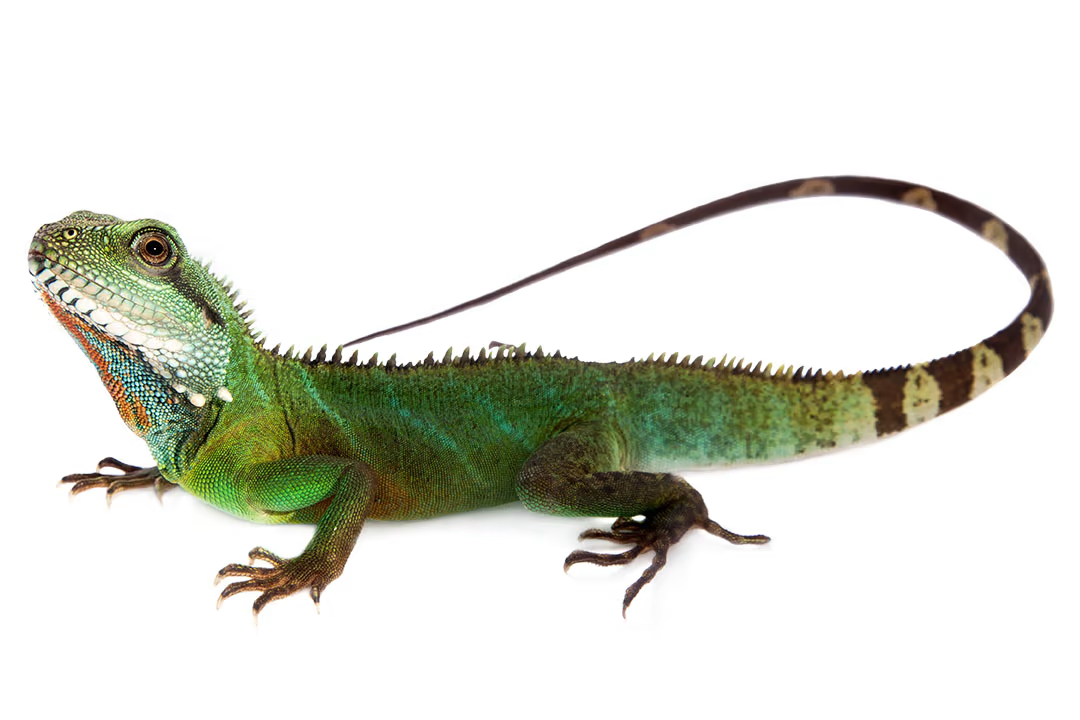
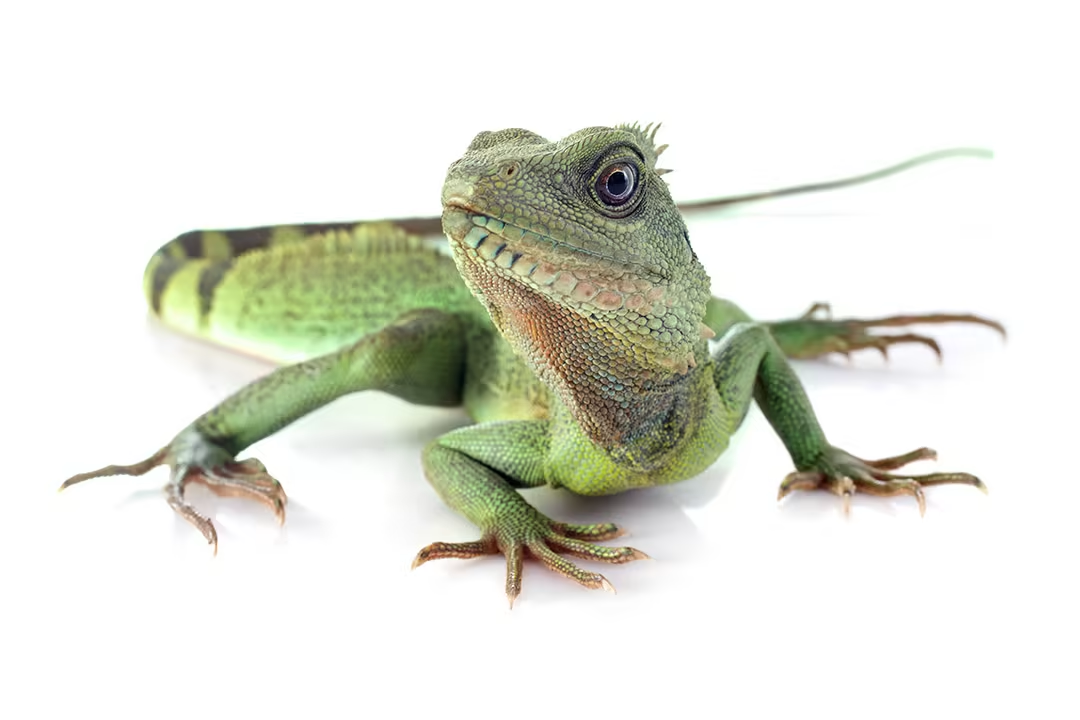
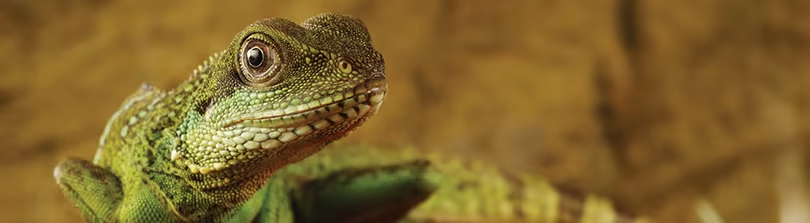
Learn how to take care of Water Dragons, recommended diet and habitat setup. Find the right food, supplies and equipment at your neighborhood Petco.
Updated on April 9th, 2026
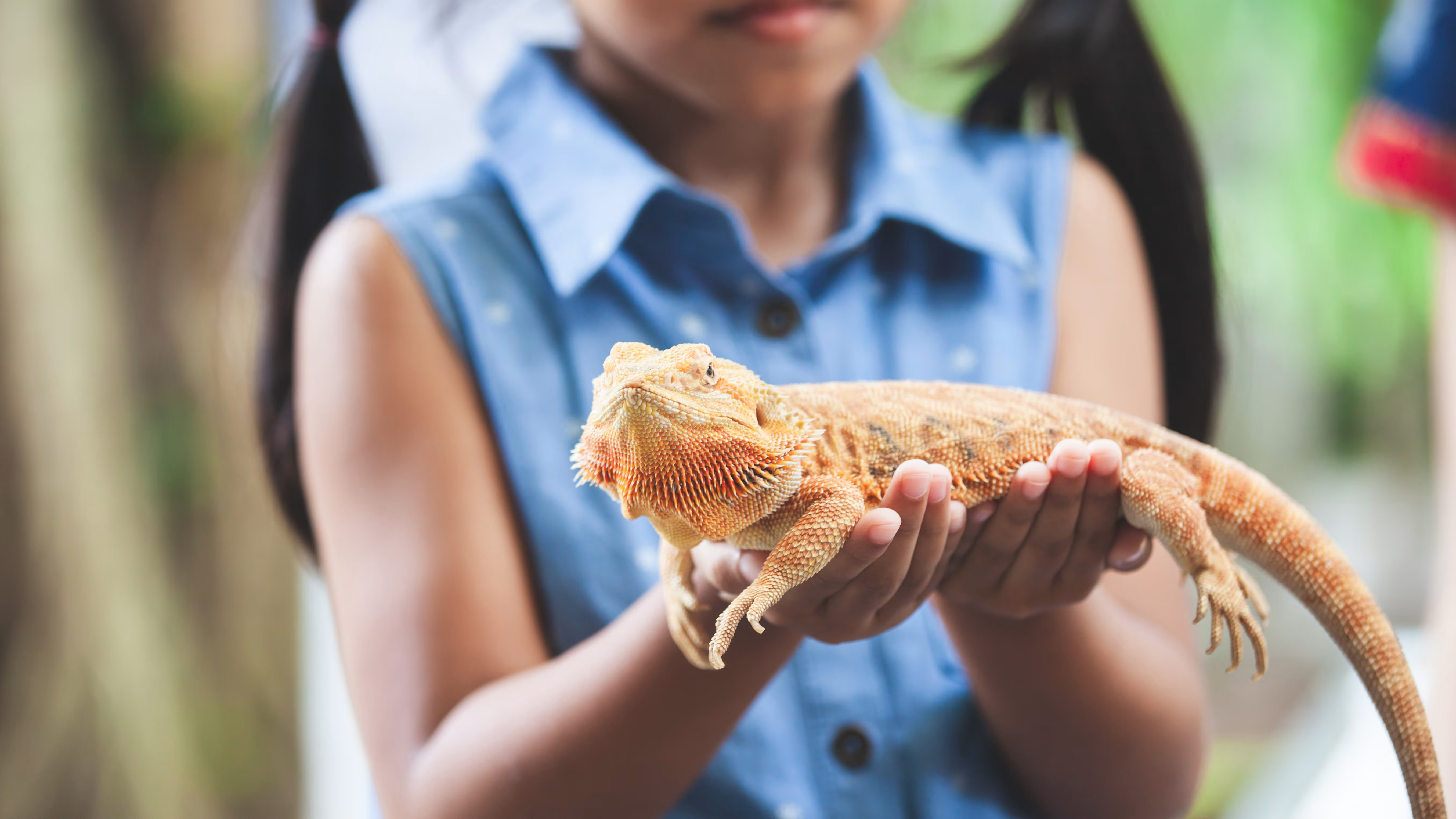
Read these guidelines about handling reptiles to provide a safe and fun environment for your pet, friends and family.
Updated on July 17th, 2026
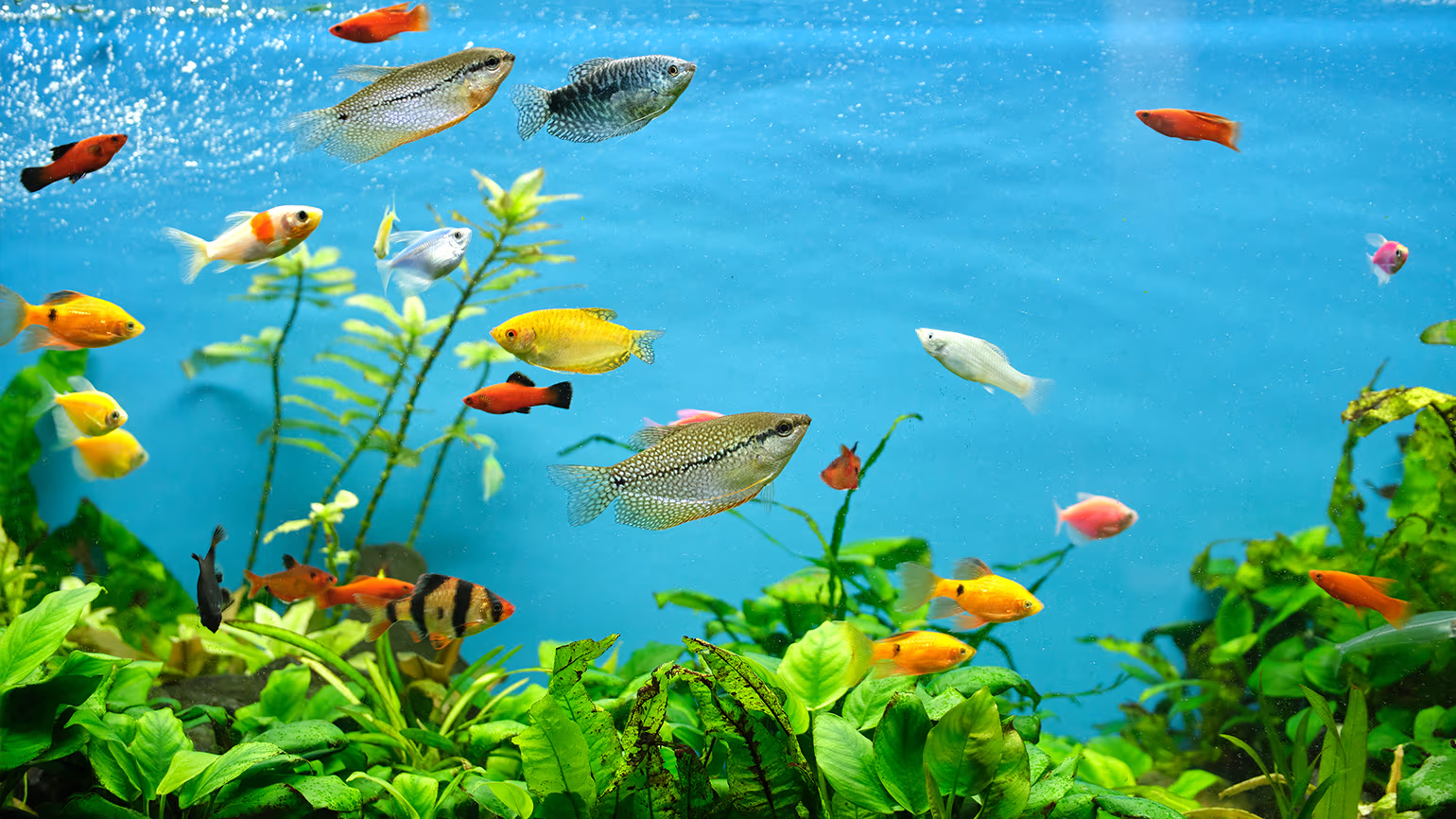
Everything you need to know about how to start a fish tank. Learn about setting up an aquarium, choosing the right type, and acclimating new fish to your tank.
Updated on June 19th, 2026
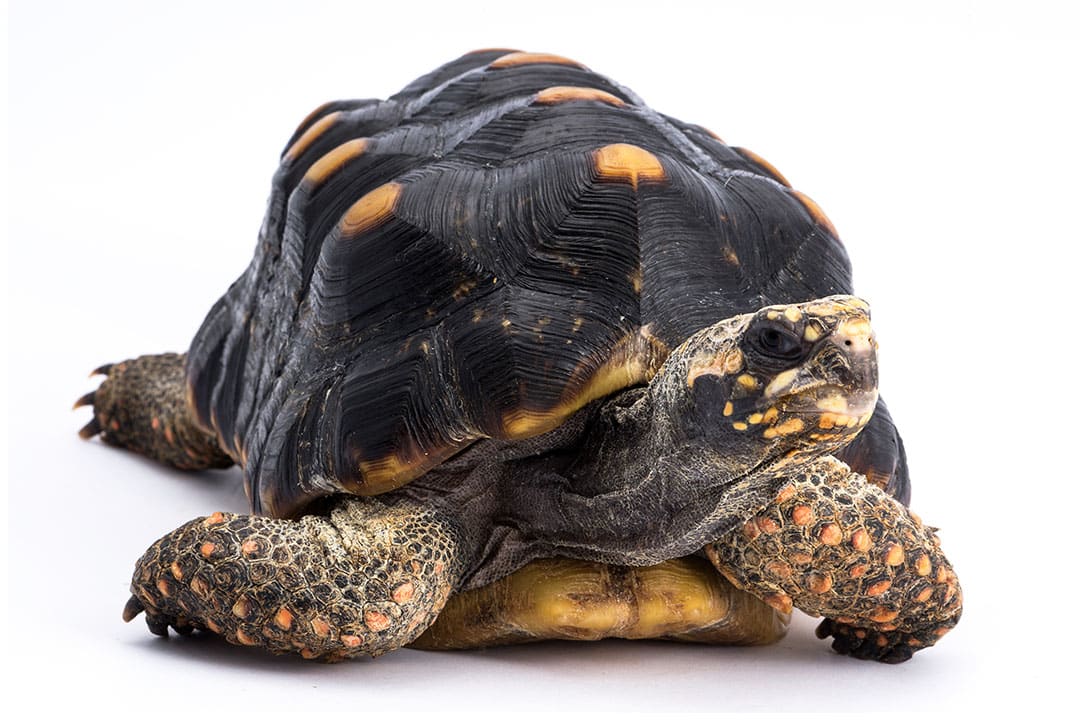
Learn how to care for tropical tortoise, recommended diet & habitat setup. Find the right food, supplies & equipment at your neighborhood Petco.
Updated on April 9th, 2026
The Cowfish, or Longhorned Boxfish, is a marine species that should be kept only by experienced aquarists. When stressed, they can release toxins into the water which may harm tank mates. Pacman frogs, leopard geckos, corn snakes or bearded dragons are all easy to keep.
Updated on September 24th, 2025
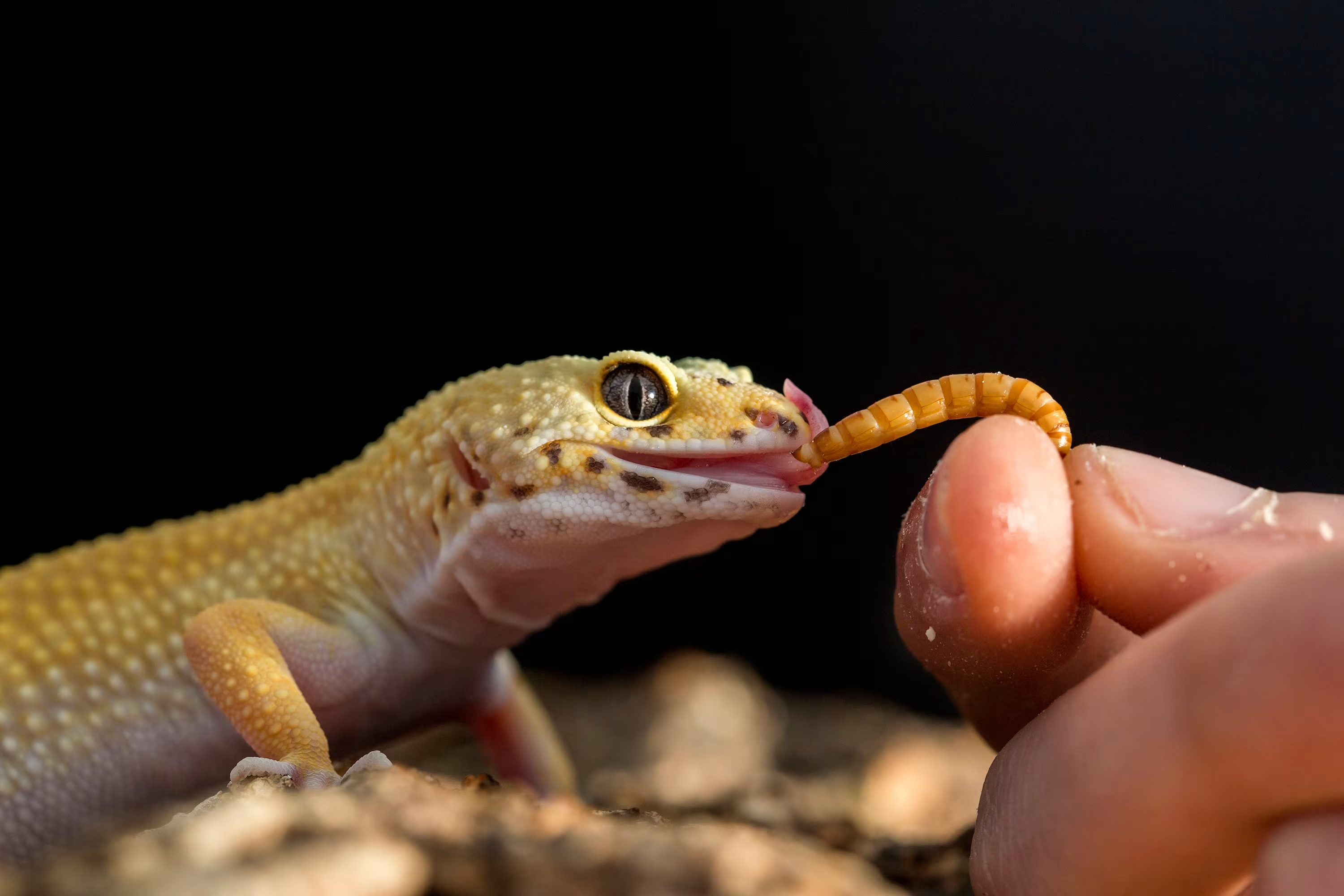
Leopard geckos are great "starter" reptiles. They don't require special lighting (UVB) like other reptiles. A 20 gallon tank is big enough for one. Add a heat source, hides and a water bowl and you are good to go. You can review gecko care at the links below. http://www.reptilesmagazine.com/Care-Sheets/Lizards/Leopard-Gecko/ http://www.anapsid.org/leopardgek.html
Updated on September 24th, 2025
Platys, Mollies, Neons, Dwarf Gouramis and Cory Cats are all excellent choices. Be sure to not overstock the tank and allow it to properly cycle before adding fish. You would need to contact the Petco in question and ask them directly. Some locations will accept fish to rehome if they have the tank space. Most local fish stores will not, due to risk of disease or parasite transmission.
Updated on September 24th, 2025
Use a background to block his view. This may prevent glass surfing or nose rubbing as well as provide more privacy/security. Again, check the temps in his enclosure to make sure it is species appropriate. Offer a variety of crickets, mealworms, dubia roaches, silkworms and wax worms. Gut load prey for 24 hours prior to offering. Dust appropriately with vitamins and minerals regularly. He may also benefit from a soak in a warm 50/50 solution of water and unflavored PediaLyte. If his appetite does not return after adjustments to environment and diet, have him examined by your veterinarian or a vet experienced in treating reptiles. Submit a stool sample to diagnose intestinal parasites or bacterial overgrowth.
Updated on September 24th, 2025
You can float it in some warm tap water but it will need to come out of the bag before oxygen levels drop and waste levels rise. Hot water bottles or a light over the tank may also keep temps out of dangerous ranges until you replace the heater. Buy two and keep a spare ready just in case.
Updated on September 24th, 2025