Two Easy Ways to Start Earning Rewards!
Become a member today! Members-only pricing and offers, personalized care notifications, Vital Care points back on every purchase and more!
 Become a credit card member today!
Earn 2X Pals Rewards points at Petco
when you use Petco Pay!APPLY NOWLearn More About Petco Pay Benefits
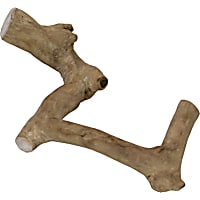
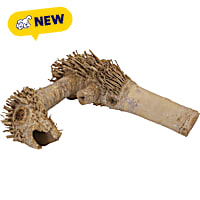
A&E Cage Company Reptile Habitat Décor & Hideaways
Get It Today


Related Searches
Related Articles & Questions
- New Pet
Reptile Habitat Setup Guide | Petco
Learn how to setup your reptiles terrarium to ensure your reptile lives a wholesome & happy life. Shop at your local Petco for all reptile terrarium needs.
Updated on July 17th, 2026
- Home & Habitat
Reptile UVB Light Guide: What Every Pet Parent Needs to Know
Learn the importance of UVB light for your reptiles and the right reptile lights for your pet’s habitat.
Updated on July 17th, 2026
- Home & Habitat
Heat Light for Lizards: Choosing the Right Reptile Lamp
When it comes to reptile habitats, one of the most essential elements to creating a happy home for your pet is including the appropriate type of lighting. Zoo Med helps outline which lights are right for your pet.
Updated on July 17th, 2026
- Care Sheets
Ultimate Tropical Lizard Care: Habitat, Food & Health for a Happy Pet
Learn how to care for tropical lizards, recommended diet & habitat setup. Find the right food, supplies & equipment at your neighborhood Petco.
Updated on April 9th, 2026
- Care Sheets
Cool Climate Chameleon Care: Habitat, Food, Health & Setup Secrets
Learn how to care for cool climate Chameleons, recommended diet & habitat setup. Find the right food, supplies & equipment at your neighborhood Petco.
Updated on April 9th, 2026
- Home & Habitat
How can I improve my reptile's tank setup for safety and comfort?
Ideally, the UVB light source should run the entire length of the tank. A thermometer/hygrometer should be on each end of the tank to confirm cool and warm sides. Use a digital thermometer to verify temps. Those little ones you have can be inaccurate. Provide a hide on both sides as well. Personally, I would remove the fake grass as it has the potential to cause eye injuries. Your tank looks good otherwise.
Updated on September 24th, 2025
- Home & Habitat
Is my bearded dragon's tank setup good for their health and safety?
Thanks for your question about Smaug, and thanks for the photo as well! I think that you have a good start to your set up, and that we can tweak a few items. First, your lighting situation appears adequate - I see a UVB light (please change this bulb every 4-6 months), a basking light, and a ceramic heat bulb. I would ensure that your temperatures are appropriate for this species, and that you are monitoring them using digital thermometers (I think that you see both a digital and analog thermometers currently) at the level of Smaug. Analog thermometers are inaccurate, so I don't recommend using them (also, they are high up on the sides of the enclosure, so they wouldn't be giving an accurate temperature read for Smaug). For the cage furniture that you have, I like that you have places for Smaug to climb and hide. However, I would recommend having a hide on both the warm side of the enclosure and the cool side so that Smaug has choices. Same for the climbing structures. I may have missed a food and water dish in the enclosure - I would recommend that both of these be shallow, and be large enough for Smaug's entire body to fit within them. I cannot tell what type of shavings that you have on the bottom of the enclosure, but the only wood shavings that I recommend are aspen shavings. If they are pine, these can be irritating to the respiratory system. I hope that gives you a place to start, and thanks for using Petco Pet Education Center, formerly Petcoach!
Updated on September 24th, 2025
- Vet Q & A
Can a 7.5x12 inch faunarium house any reptile or insect long-term?
It is too small to be used for much beyond transport, quarantine or temporary housing (i.e. during cleaning of main enclosure). The plastic construction does not allow for light or heat sources which most reptiles or exotic pets require.
Updated on September 24th, 2025
- Health & Wellness
Setting up an ackie monitor outdoor enclosure: digging & UVB
I am very glad that you are looking into husbandry before purchasing an ackie! There is a good care sheet with information on ackies on the Reptiles Magazine website. Based on your location in TX, it may work well to have the ackie outside, but there are a few things to consider. Evaluating the temperature requirements for this species in comparison to the temperatures that you have in your area during the year will be important. We don't want the monitor to get too cold at any point. Thankfully, if needed, supplemental heat sources can also be used outdoors. If these are used, please ensure that they are properly positioned so the ackie cannot access them, and that they are weather-proofed to prevent any electric shock. Also ensure that humidity is high enough in the enclosure - depending on your area, it may need to be supplemented for this species. I would recommend the use of digital thermometers and hygrometers (measure humidity) to keep an eye on the temperature and humidity in the enclosure outside. For the digging portion of the enclosure - there is information about substrate on the care sheet, but it would be pertinent to ensure that the sides are buried underground for an outdoor enclosure. This species can be very good at digging, and it would be tragic to lose your pet by it digging under the barrier that you provided. I hope that gives you a place to start with your research, and if you are interested in talking more about this prior to purchasing your ackie, I would be happy to do a consult with you!
Updated on September 24th, 2025
- Home & Habitat
How to set up a leopard gecko tank: Bedding, lighting, and heat?
A 10 gallon tank can be purchased in the local Petco for less than twenty dollars ( https://www.petco.com/shop/en/petcostore/product/fish/fish-aquariums-kits/aquariums-up-to-ten-gallons/aqueon-standard-glass-aquarium-tank-10-gallon ). It would be easier to keep and secure than a laundry hamper. Given the temps required for geckos, plastic may not be the best option either. You will need a a heat lamp for day use and maybe a heat source if nighttime temperatures drop below 70 F. You can use slate, reptile carpet, plain paper towels or a coconut fiber substrate. Review gecko care at the link below. http://www.reptilesmagazine.com/Care-Sheets/Lizards/Leopard-Gecko/
Updated on September 24th, 2025