


Two Easy Ways to Start Earning Rewards!
Become a member today! Members-only pricing and offers, personalized care notifications, Vital Care points back on every purchase and more!
 Become a credit card member today!
Earn 2X Pals Rewards points at Petco
when you use Petco Pay!APPLY NOWLearn More About Petco Pay Benefits
Dog Road Trip: Complete Guide to Safe Travel
Published on September 18th, 2023
Updated on June 18th, 2026

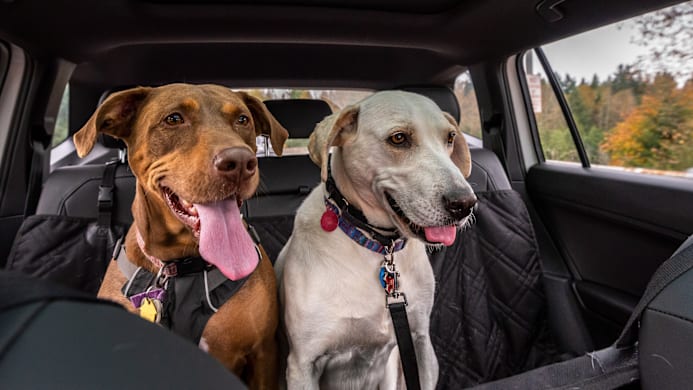
Who doesn't love hitting the open road with their dog? While it's a great experience for all, you want to make sure you are prepared. Petco has tips and a packing list for the best road trip with your dog.
It's time to pack your bags and take that road trip you've been dreaming about. And we bet your dog would love to join you.
While bringing your dog along has the potential to make any road trip more fun, car rides can introduce their own set of physical and mental stressors for your four-legged travel partner. For you and your dog to get the most out of your next trip, remember to keep their health and happiness at top of mind.
How Road Trips Affect Your Pooch and What to Do
For some dogs, hopping into the backseat and taking a days-long trip is pure enjoyment, but for others, the same journey can require a little more planning to make it a success.
Regardless of your dog’s natural disposition, you, as a pet parent, have the power to make the experience as good as possible, and it all starts with understanding how your dog might feel on the road.
How to Prepare for the Trip Ahead
How to Prepare Your Dog for a Road Trip
Getting your dog ready before you pull out of the driveway makes the difference between a stressful ride and a genuinely enjoyable adventure — for both of you. Work through these steps in the days and weeks leading up to your trip.
Build Up to Long Drives Gradually
If your dog isn't a seasoned traveler, don't make a multi-hour highway haul his first experience in the car. Start with short, positive trips — around the block, to a park, or through a drive-through — so he learns that the car is a good place to be. Gradually extend the duration over several outings before your big departure day.
Secure Your Dog Properly in the Vehicle
A loose dog in a moving car is a safety risk for everyone. Choose one of these restraint options and get your dog comfortable with it at home first:
- Crash-tested travel crate or kennel — Place it in the cargo area or back seat, secured so it can't shift. A familiar crate from home can help your dog feel settled.
- Dog seat belt / vehicle harness — Attaches to the existing seat belt buckle. Look for harnesses that have passed independent crash testing.
- Back-seat barrier — Keeps your dog in the rear of the vehicle but does not protect him in a collision; best paired with a harness.
Never allow your dog to ride in the front seat or stick his head out of an open window — both carry real injury risk.
Pack a Road-Trip Kit for Your Dog
Gather everything your dog needs before you load the car:
| Item | Why It Matters |
|---|---|
| Enough of his regular dry dog food for the full trip + two extra days | Switching foods mid-trip can upset his stomach |
| Collapsible water bowl + bottled or home tap water | Unfamiliar water sources can cause digestive upset |
| Familiar bedding or blanket | Scent comfort reduces travel anxiety |
| Leash and collar with current ID tags | Essential every time he exits the vehicle |
| Waste bags and paper towels | Accidents happen, especially on first long trips |
| His regular treats | Useful for rewarding calm behavior; keep treats to ≤ 10% of his daily diet |
| Copies of vaccination records | Required at many boarding stops and state lines |
| Your veterinarian's contact number + a 24-hour emergency vet along your route | So you're never scrambling in an unfamiliar city |
Keep His Feeding and Potty Schedule Consistent
Stick as closely as possible to your dog's normal meal times. Feed him a light meal two to three hours before you leave — a full stomach right before a car ride can contribute to nausea — and plan a bathroom break every two to three hours on the road. Consistent stops also give him a chance to stretch, sniff, and reset, which helps manage stress on longer drives.
Talk to Your Veterinarian Before You Go
If your dog has shown signs of motion sickness, anxiety, or has any ongoing health condition, schedule a quick conversation with your veterinarian before the trip. He or she can advise on whether any supportive options are appropriate for your specific dog. Never administer any medication — including over-the-counter products — without veterinary guidance.
With these steps in place, you and your dog are set up for the kind of road trip that's worth repeating.
Here's to happy, safe and healthy travels to you and your pup filled with plenty of activity!
Some dogs struggle with car rides due to a physical reaction to high speeds. Your vet can be a valuable resource. Talk to them about motion sickness medication and other natural options that can help settle your dog's stomach.
For some dogs, traveling at high speed can induce anxiety. So, it's important to assess your dog’s mental wellness when planning a road trip. Take your dog for a short test drive around the neighborhood first. If they exhibit signs of anxiety, such as excessive panting, licking their lips, whining, vomitting or drooling, you will need to take some extra steps before you embark on a longer trip. You can slowly acclimate your dog to the idea that spending time in the car is fun. For example, bring treats and toys out to the car in the days leading up to your trip and spend a little time with your dog just sitting in the vehicle. Your dog’s mental health is worth discussing with their veterinarian. They can help you narrow in on the root of the anxiety, treat it accordingly and perhaps find the right calming aid.