


Two Easy Ways to Start Earning Rewards!
Become a member today! Members-only pricing and offers, personalized care notifications, Vital Care points back on every purchase and more!
 Become a credit card member today!
Earn 2X Pals Rewards points at Petco
when you use Petco Pay!APPLY NOWLearn More About Petco Pay Benefits
Leptospirosis in Dogs: Symptoms, Treatment & Prevention
Published on January 24th, 2023
Updated on June 18th, 2026


Reviewed by Dr. Whitney Miller, DVM, MBA, DACVPM
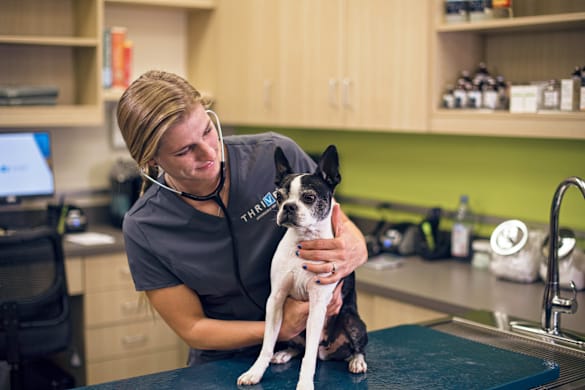
Do you think your dog might have Leptospirosis? Visit Petco to learn about the signs, symptoms, causes and treatments of Leptospirosis in dogs.
While no dog parent can promise their pet that they’ll never get sick, you can help protect them from certain infections by keeping up with their preventive care and monitoring their environment carefully. Such is the case with leptospirosis in dogs. This infection is commonly caused when a pet comes in contact with infected water or urine.
If your dog has been rolling around in a dirty puddle or had contact with a wild animal, you should be on the lookout for some common signs of leptospirosis. Read on to learn more about what leptospirosis is, how your dog can get and spread it and what to do if you notice symptoms.
What is leptospirosis in dogs?
Leptospirosis—sometimes called lepto or Weil’s disease—is a type of bacterial infection that, once in the bloodstream, can do serious damage to your dog’s liver and kidneys. The condition comes specifically from a bacterium called Leptospira.
Leptospirosis can be caused by any of many strains of Leptospira. You will most commonly see leptospirosis symptoms in dogs who drank from tainted water or whose mucus membranes came in contact with the bacteria. The bacteria can also find their way into the body via a scratch or open wound on a dog’s body.
Leptospirosis is a zoonotic disease, which means it can be spread between species, including from dogs or other animals to people. It’s just as important to protect your dog against the disease as it is to make sure they don’t spread it. Dogs should be kept away from other people and pets at the first signs of leptospirosis infections.
How do dogs get leptospirosis?
As mentioned above, dogs often get the disease from tainted water. This can include everything from puddles and ponds to moist soil. But this isn’t the only way to encounter the bacteria.
Infected animals have leptospirosis in their urine, which puts any dog who comes in contact with it at risk. While your dog can be infected by other dogs, they also risk exposure by rooting through trash where an infected raccoon has urinated, playing near a rat nest or interacting with other wild or domesticated creatures.
Thanks to the virulence of the bacteria, leptospirosis can be fairly common in dogs. Take a look at these everyday activities in which your pup could come into contact with the bacteria.
- Playing in a muddy field or park where stagnant water is present
- Running through a wooded area frequented by wildlife
- Spending time in a kennel with other dogs who may be infected
- Drinking water from a puddle or body of water that other animals also visit
- Hunting or sporting situations where they retrieve wildlife
- Running through an irrigated pasture
Should pet parents be worried?
How common is leptospirosis in dogs? That depends on where you live. In urban areas where dogs have little contact with wild animals and are more likely to be vaccinated, the threat is not too significant. If you live in a rural area and often let your dog off leash to explore the great outdoors, however, you should familiarize yourself with leptospirosis symptoms in dogs as well as signs of Lyme disease.
How can I protect my dog from leptospirosis?
While vaccines are the top recommended way of preventing lepto in dogs, they only protect against the four most common variations of the bacteria that cause leptospirosis. Even if your pet is fully vaccinated, you’ll want to keep them away from dirty water and at-risk environments whenever possible. Avoid stagnant water outdoors, discourage your dog from interacting with unknown creatures, and keep them away from areas where the urine of other animals could be present. Thoroughly cleaning wounds and scratches also helps you minimize your pet’s vulnerability to all bacterial infections, including leptospirosis.
Leptospirosis Symptoms in Dogs
If your dog has leptospirosis, the earliest signs you're likely to notice are fever, sudden tiredness and reluctance to move. These early warning signs can appear within days of exposure and often look like a dozen other illnesses — which is exactly why acting quickly matters. Left untreated, leptospirosis can progress to kidney or liver failure. Some dogs fight off the infection before severe illness develops, but you should never wait to find out which category your dog falls into.
Symptoms You Can Spot at Home
The observable symptoms below are the ones most likely to appear if your dog is infected. A combination of several of these signs — especially alongside known exposure to standing water or wildlife areas — is a strong signal to call your veterinarian right away.
- Fever — often the very first sign; your dog may feel warm to the touch and seem "off"
- Weakness, lethargy or exercise intolerance — a normally active dog who suddenly doesn't want to move
- Refusing food, eating less or vomiting — sudden vomiting, especially if it contains blood, is a particularly common sign of canine lepto
- Heavy panting and/or trouble breathing — labored respiration that isn't explained by heat or exertion
- Pain — your dog may flinch when touched, especially around the abdomen or back
- Changes in stool quality — diarrhea or unusually soft stools
- Increased drinking and urination — a classic early indicator that the kidneys are under stress
When to act: Don't wait for multiple symptoms to stack up. Even two or three of these signs together — particularly vomiting, lethargy and increased thirst — warrant a same-day call to your veterinarian.
Symptoms Only a Veterinarian Can Detect
Observable behavior tells part of the story. A definitive leptospirosis diagnosis, however, requires laboratory testing. Your veterinarian will likely use one or more of the following tests, and can often identify the bacteria quickly — meaning treatment can begin as soon as results come in.
| Test | What It Detects | Why It Matters |
|---|---|---|
| DNA-PCR test | Leptospira DNA in blood or urine | Rapid and highly specific; often the most definitive confirmation of active infection |
| Full chemical blood profile | Kidney and liver values; rules out other illnesses or bacteria | Elevated kidney and liver markers are a common indicator of leptospirosis |
| Urinalysis (full urine panel) | Bacteria visible under a microscope; rules out other bacterial causes | Also helps detect secondary illnesses alongside lepto |
| Microscopic agglutination test (MAT) | Antibodies against Leptospira in the blood | High antibody levels suggest a current infection; lower levels may indicate a past infection |
Your veterinarian will choose the combination of tests that gives the clearest picture of your dog's condition. The PCR test in particular is valued for its speed, allowing treatment to start without delay.
How Leptospirosis Is Treated
Treatment for leptospirosis is straightforward when caught early. Antibiotics are the primary therapy, and the Leptospira bacteria respond well to appropriate antibiotic treatment. Your veterinarian will determine the right protocol for your dog's specific situation — do not attempt to treat this infection at home or with leftover medications.
A common treatment approach includes two phases:
- First round of antibiotics — targets the acute, active infection your dog is currently fighting
- Second round of antibiotics — addresses any low-grade, lingering infection that may remain after the initial treatment
Depending on how serious your dog's infection is, the full course of treatment may last up to four weeks. Alongside antibiotics, your veterinarian may also recommend:
- Fluid therapy to treat dehydration caused by vomiting or reduced drinking
- Anti-vomiting medication to help your dog keep food and water down while antibiotics take effect
- Supportive nutritional care, including multivitamins, to help keep your dog's immune system strong during recovery
One important note for your whole household: leptospirosis is a zoonotic disease, meaning the bacteria can spread from dogs to people. Protecting your dog promptly also helps protect your family.
Prevention and Final Guidance
The most reliable way to protect your dog from leptospirosis is vaccination. Petco offers vaccination services at both our vet hospitals and vaccination clinics — talk to a Petco veterinarian about whether the lepto vaccine is right for your dog's lifestyle.
Leptospirosis is less common among dogs who live exclusively in urban environments, but risk rises significantly in certain situations:
- Camping trips or time spent in wildlife areas
- Rural living, especially near farms or wooded land
- Any contact with standing water, puddles, streams or marshy ground
- Exposure to wildlife such as raccoons, rodents or deer
If your dog spends time in any of these environments, stay alert to the symptoms above and contact your veterinarian for guidance — especially after known exposure to potentially contaminated water. Early detection and prompt veterinary care make a meaningful difference in your dog's outcome.
Frequently Asked Questions About Leptospirosis in Dogs
Is there a vaccine for leptospirosis in dogs? Yes — a lepto vaccine is available and is the most strongly recommended way to help protect your dog. The vaccine covers the four most common strains of Leptospira bacteria. Because many strains exist, a vaccinated dog can still be exposed to an unprotected strain, so reducing contact with contaminated water and wildlife remains important even after vaccination. Ask your veterinarian whether the lepto vaccine is right for your dog based on lifestyle and geographic risk.
How is leptospirosis treated in dogs? The primary treatment is antibiotic therapy. Veterinarians typically use a two-phase antibiotic protocol: the first round targets the active, acute infection, while a second course addresses any low-grade bacterial presence that may linger afterward. Dogs experiencing dehydration may also receive fluid therapy alongside antibiotics. Your veterinarian will determine the exact approach based on your dog's condition — never attempt to treat leptospirosis at home.
Can dogs fully recover from leptospirosis? Many dogs do recover fully, especially when the infection is caught and treated early. Some dogs fight off the infection without ever showing severe signs of illness. However, if leptospirosis is left untreated, it can progress to serious kidney or liver failure, which significantly worsens the outlook. Early veterinary attention is the single most important factor in a positive recovery.
How long does leptospirosis treatment take? Treatment length varies depending on how advanced the infection is when it is diagnosed. The two-phase antibiotic course typically spans several weeks in total, with the first phase addressing the acute infection and the second phase clearing any remaining bacteria. Your veterinarian will monitor your dog's kidney and liver values throughout treatment to track progress.
Can leptospirosis spread from my dog to me or other pets? Yes. Leptospirosis is a zoonotic disease, meaning it can pass between species — including from dogs to people. The bacteria are shed in urine, so anyone handling an infected dog or cleaning up after one should take precautions such as wearing gloves and washing hands thoroughly. Isolate an infected dog from other pets and family members until your veterinarian confirms it is safe to resume normal contact.
When should I call my veterinarian about lepto? Contact your veterinarian promptly if your dog has had recent contact with stagnant water, wildlife urine or unknown animals AND is showing any combination of: fever, lethargy, vomiting (especially bloody), increased thirst and urination, or difficulty breathing. Because leptospirosis can escalate quickly and poses a risk to your household, do not take a wait-and-see approach — same-day or emergency care is appropriate if symptoms are severe.
This article was created with assistance from AI tools and reviewed for accuracy by Petco's content team.
Related Articles


