


Two Easy Ways to Start Earning Rewards!
Become a member today! Members-only pricing and offers, personalized care notifications, Vital Care points back on every purchase and more!
 Become a credit card member today!
Earn 2X Pals Rewards points at Petco
when you use Petco Pay!APPLY NOWLearn More About Petco Pay Benefits
My cat keeps pooping outside the litter box. What should I do?
Updated on September 23rd, 2025
Pet's info: Cat | Mixed Breed | Male | neutered | 1 year and 10 months old | 15 lbs
My cat always poops on the floor instead of litter box. Have tried everything to stop it. What could be wrong and what can I do?
1 Answer
Most Helpful Answer
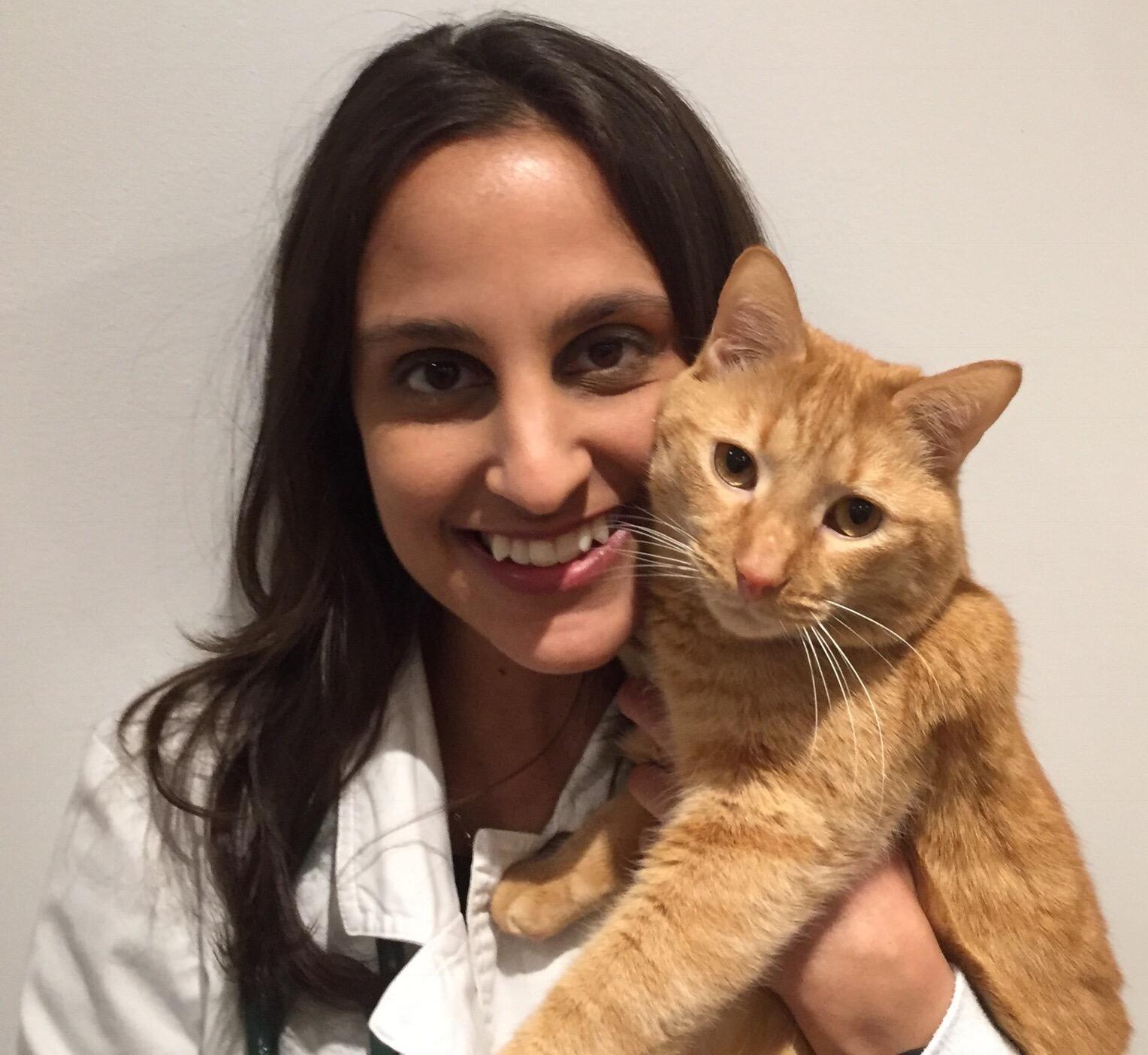
Answered By Shaneez Wallani, DVM
Veterinarian
Published on April 26th, 2019
Defecation outside the litterbox can be due to infection, constipation, difficulty getting into the litterbox due to pain, or other reasons. It is important that you make an appointment to have Leo seen by your veterinarian as soon as you can to help determine the cause of his behaviour and to start treatment. It is also possible that Leo is exhibiting signs of stress in his home environment. You can do the following to help make sure Leo’s environmental needs are being met. Cats need at least one litterbox per cat plus one extra to help reduce stress associated with the litterbox. They should be placed in separate rooms, away from the food and water bowls, must be scooped at least daily (preferably multiple times a day)and washed out at least weekly with a mild soap, followed by thorough rinsing. Cats need a lot of space to explore, but keeping them indoors is much safer than letting them outside, due to the risk of injury from cars, wildlife, other animals, etc. The key is providing space (particularly vertical space for climbing, such as cat trees, ledges, and the like) inside the home. Visit http://www.veterinarypartner.com/Content.plx?P=T&C=33&S=2 and https://indoorpet.osu.edu// for tips on stress reduction. Also look into Feliway, a synthetic pheromone that is available in a diffuser and spray form that promotes calm feelings in cats http://www.feliway.com . Good luck!
 1Pet Parents found this answer helpful