


Two Easy Ways to Start Earning Rewards!
Become a member today! Members-only pricing and offers, personalized care notifications, Vital Care points back on every purchase and more!
 Become a credit card member today!
Earn 2X Pals Rewards points at Petco
when you use Petco Pay!APPLY NOWLearn More About Petco Pay Benefits
Cat Dry Heaving: Causes, Signs & When to Call a Vet
Published on March 20th, 2024
Updated on June 18th, 2026

Written by Dr. Elyse Macartney, DVM
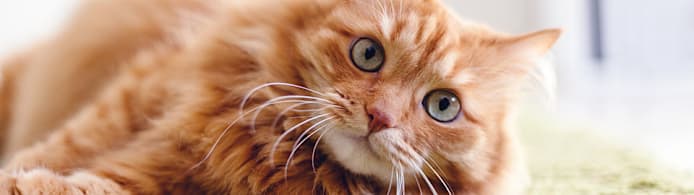
Is your cat dry heaving? Petco is here to answer your questions about common causes, what to do and treatment options.
As a cat parent, we’ve all been there—it’s bedtime, and you’re just about to fall asleep. Suddenly you hear horrible regurgitation sounds. You leap up to check on your feline friend and make sure they’re okay. However, when you get there, they’re fine.
Feline dry heaving may seem benign—after all, if nothing comes up, it can’t be too bad, right? In some cases, this is true. However, in other cases, it could be a symptom of something more serious. Let’s go over possible reasons your cat is dry heaving and when you should consult your vet.
Causes of dry heaving in cats
Dry heaving can be a symptom of many different illnesses. Like humans, the feline gag reflex is designed to help remove something potentially harmful from the body. And in cats, what you perceive as a dry heave may be something else entirely. Here are some common causes.
Hairballs
Cats are very fastidious creatures and will groom themselves constantly. This causes them to swallow excess hair and debris, which their body can’t digest. It eventually builds up, and the body needs to find a way to remove it. Cat dry heaving can be caused by their bodies’ natural reaction to expel the hair.
Hairballs are usually no cause for alarm, but you can help reduce the number your feline has by brushing out the loose hair regularly—especially during their shedding seasons.
Our cat grooming and bathing solutions can make the task much more pleasant for you and your feline best friend. We also offer cat hairball control supplements and lubricants to help ease the removal and prevent buildup in the first place. If your cat is dry heaving with no hairball, it may be another issue, and veterinary care may be needed.
Hairballs can be a normal part of your cat’s life. However, if you notice your pet produces hairballs more than once a month, you should consult your vet. This could be a sign of digestive issues like inflammatory bowel disease since cats who have that affliction tend to have trouble removing hairballs.
Reverse sneezing
Often, this bodily function mimics cats’ dry heaving. Just like regular sneezing, reverse sneezing is usually triggered by an irritant like excess mucus or foreign particles tickling areas of the respiratory system. Instead of expelling the air, they inhale it. They make sniffling and snorting noises, and their body contracts in the same way as dry heaves.
Reverse sneezing in cats is often normal. If this occurs, keep an eye on them to ensure they’re not choking, then soothe them with calming pets afterward. However, if they’re reverse sneezing for more than a couple of days, you may want to consult your vet. This could mean your cat is dry heaving with no vomit, which can be a symptom of allergies, infection, polyps or tumors in the respiratory system.
Coughing
Dry heaving and bouts of coughing often go hand-in-hand. If you’ve ever had a long, hacking cough, you know that sometimes the gag reflex is triggered, which results in dry heaves or vomiting if you’ve recently eaten or drank water. The same thing can happen to cats and other pets.
Monitor your cat closely. If they appear to have trouble breathing or are in distress, seek veterinary assistance immediately. You should also make an appointment if the cough is persistent and doesn’t go away or if your cat keeps dry heaving.
Vomiting
With the strange things our pets can sometimes eat when we’re not looking, vomit isn’t exactly unusual. Vomiting is a way for your pet’s body to protect itself from things that can make them even sicker.
Vomiting is also a symptom resulting from various diseases—hyperthyroidism, cancer, liver and kidney disease, infection or inflammatory bowel disease may cause chronic vomiting. This reaction can also result from a blockage or intestinal obstruction.
Dry heaving occurs when their body attempts to vomit on an empty stomach. If your cat is dry heaving, there is nothing left to expel, but the spasms can continue. If your feline can’t keep anything down, they can quickly become dehydrated. Seek veterinary consultation as soon as possible.
Why does my cat cough, but nothing comes up?
Just like humans, cats cough for a variety of reasons. If the cough is particularly severe or they have had it for an extended period, it’s best to consult your vet. A chronic cough combined with your cat’s dry heaving can indicate a variety of ailments. Some, like cancer, heartworm or infection, can be life-threatening if left untreated.
If your pet is experiencing a chronic, unproductive cough, it may not be as serious as the illnesses above. Because coughing can indicate many different ailments, your vet will most likely perform a series of tests like the following.
- Urinalysis and fecal examination
- Blood work and blood cell count
- Heartworm screening
- X-rays
- Physical exam
My cat is dry heaving but eating
Whenever your pet displays odd or concerning behavior, it’s best to have them checked out. It’s important to remember that—like many pets—cats often do their best to hide their pain and discomfort. This is because out in the wild, displaying signs of injury can be perceived as a weakness and make them vulnerable to attack.
If your cat is eating or drinking but is still exhibiting these alarming symptoms, consult your vet. If your cat is dry heaving due to underlying health issues, it’s much better to find out sooner so they can begin treatment. It can be something as simple as a diet change, or they may require cat prescription medications or surgery.
We know how important your pet’s health is—that’s why many of our neighborhood Petco Pet Care Centers offer veterinary services. Our Petco vets may prescribe medication to control cat dry heaving or vomiting. Walking right to the pharmacy after your appointment helps expedite the process and makes things much smoother. You’ll also have access to our variety of cat vitamins and supplements, as well as an array of food options in case your vet recommends a change.
Frequently Asked Questions
Is cat dry heaving ever normal? Occasional dry heaving tied to hairball attempts is common and usually not a cause for alarm — most cats experience it from time to time. However, if your cat dry heaves repeatedly in a single day, goes more than a day or two without producing a hairball, or shows any other signs of distress, it's time to call your veterinarian. The Cornell Feline Health Center notes that persistent or unexplained vomiting and retching in cats always warrants a professional evaluation. https://www.vet.cornell.edu/departments-centers-and-institutes/cornell-feline-health-center/health-information
When should I call the vet about my cat dry heaving? Contact your veterinarian promptly if your cat dry heaves more than once or twice in a 24-hour period, produces no hairball after repeated attempts, shows signs of labored breathing or distress, stops eating or drinking, appears lethargic, or has a swollen or painful abdomen. These can signal a serious underlying condition — including an intestinal obstruction, heartworm disease, or organ dysfunction — that requires diagnosis and treatment only a veterinarian can provide. https://www.vet.cornell.edu/departments-centers-and-institutes/cornell-feline-health-center/health-information
Can what my cat eats cause dry heaving? Yes. Eating too quickly, a sudden diet change, or consuming a food that doesn't agree with your cat's digestive system can all trigger retching or dry heaving. Cats are obligate carnivores, and their digestive tracts are sensitive to abrupt nutritional shifts. https://www.merckvetmanual.com/management-and-nutrition/nutrition-small-animals/nutritional-requirements-of-small-animals If your cat dry heaves regularly around mealtimes, talk to your veterinarian about a slow-feeder option or a gradual food transition, and look for foods that meet AAFCO nutritional standards for your cat's life stage. https://www.aafco.org/consumers/understanding-pet-food/
Could something toxic be making my cat dry heave? Possibly. If your cat has had access to household plants, human foods, cleaning products, or other chemicals, toxin ingestion is a real concern. Dry heaving can be one of the first signs a cat has eaten something harmful. If you suspect poisoning, do not wait — contact your veterinarian or the ASPCA Animal Poison Control Center immediately. https://www.aspca.org/pet-care/animal-poison-control
How can I tell the difference between dry heaving and reverse sneezing in my cat? Reverse sneezing involves rapid, repeated inhalations — your cat will extend her neck, pull her elbows out, and make a snorting or honking sound. Dry heaving looks more like a full-body contraction or retch, with the abdomen visibly pumping. Both can look alarming, but reverse sneezing typically resolves within seconds and requires no treatment. If you're unsure which one you're witnessing, or if either symptom persists for more than a day or two, a veterinary visit is the safest next step. https://www.vet.cornell.edu/departments-centers-and-institutes/cornell-feline-health-center/health-information
Can hairball supplements actually reduce dry heaving in cats? Hairball control supplements and lubricants can help move ingested hair through the digestive tract more efficiently, which may reduce the frequency of retching episodes tied to hairball buildup. Regular brushing — especially during heavy shedding seasons — is equally important, as it removes loose hair before your cat swallows it. If your cat produces hairballs more than once a month despite these measures, speak with your veterinarian, as frequent hairballs can be associated with underlying digestive conditions such as inflammatory bowel disease. https://www.vet.cornell.edu/departments-centers-and-institutes/cornell-feline-health-center/health-information
This article was created with assistance from AI tools and reviewed for accuracy by Petco's content team.
Related Articles


