


Two Easy Ways to Start Earning Rewards!
Become a member today! Members-only pricing and offers, personalized care notifications, Vital Care points back on every purchase and more!
 Become a credit card member today!
Earn 2X Pals Rewards points at Petco
when you use Petco Pay!APPLY NOWLearn More About Petco Pay Benefits
Filefish Care Guide: Tank, Food, Habitat for a Happy, Healthy Pet
Updated on March 30th, 2023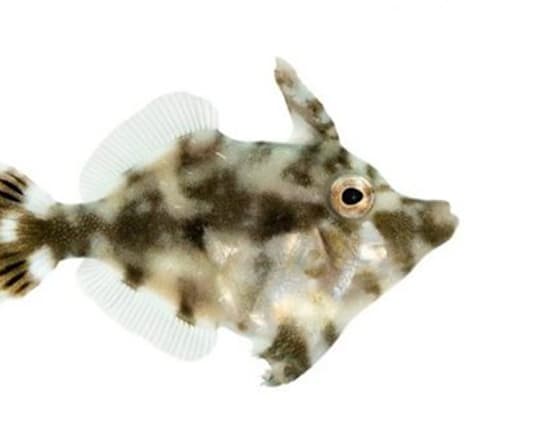
Scientific name: Acreichthys radiatus, Chaetodermis penicilligerus, Pervagor melanocephalus, Oxymonacanthus longirostris, Acreichthys tomentosus, Rudarius ercodes
Members of the Balistidae family, filefish are closely related to triggerfish. They have rough scales and tiny mouths. Filefish have two dorsal fins with the first consisting of a single or double spine that can be locked in place. Recommended for more experienced marine aquarists.
Members of the Balistidae family, Filefish are closely related to triggerfish. They have rough scales and tiny mouths. The first of their two dorsal fins is a spine that can be locked in place. Recommended for more experienced marine aquarists.
Includes a variety of filefish, including:
- Radial filefish
- Tassle filefish
- Redtail filefish
- Orange spotted filefish
- Aiptasia eating filefish
- Whitespotted pygmy filefish
Typical appearance and behavior
- Usually solitary, shy and generally peaceful
- Inhabit the middle levels of the aquarium
- Some speciescanchange their hue to blend into their surroundings
- Filefish have nonoverlapping scales
- Do best in quiet, nonaggressive environments
- Species like the radial, aiptasia eating and whitespotted filefish are captive-bred
Characteristics
| Care Difficulty | Intermediate to advanced, depending on species |
|---|---|
| Average Life Span | Up to 6+ years with proper care, depending on species |
| Average Adult Size | 2-12 inches long, depending on species |
| Diet | Omnivore |
| Minimum Habitat Size | 29+ gallons, depending on species |
| Water Temperature | 74-80°F |
| Specific gravity | 1.020-1.025 |
Habitat
Habitat size
- Keep in an appropriately sized aquariumA minimum of 29-50+ gallons is recommended for smaller-sized adult filefish, however, water conditions can change rapidly in smaller water volumes.., depending on species; provide plants, rock and décor for hiding places and plenty of room for movementA larger aquarium is recommended for larger species.
Building your habitat
- Water health - Provide proper filtration to ensure optimal water quality to help maintain health. Slow to moderate water circulation, based on species, should be provided to mimic water currents found in the filefish's natural habitat. Stable water quality (pH, ammonia, nitrate, nitrite) and water temperature are critical to the health of aquatic life. If you are unsure of your water quality, bring a sample to Petco for free testing. The addition of a protein skimmer can aid with maintaining great water quality and high dissolved oxygen levels. An aquatic heater should be used to stabilize water temperature, ensuring it does not fluctuate more than +/-2 degrees in a 24-hour period. The specific gravity should remain stable. Do not allow specific gravity to fluctuate more than +/-0.001 in a 24-hour period
- Décor - Provide rock and décor for hiding places and plenty of room for movement
- Live rock can provide a natural food source while also enhancing biological filtration
Feeding
What to feed your filefish
- A well-balanced filefish diet consists of:
- Flakes, pellets, freeze-dried, frozen or live foods
- Vary diet to ensure proper nutritional balance
Things to remember when feeding your filefish
- Depending on species and size,feed small amounts two to three times daily, no more than fish will eat in one to two minutes
- Thaw frozen food before feeding
Filefish care
- Water care: Maintaining great water quality with regular water changes and adequate filtration is important to help keep your filefish healthy
- Daily: Check filter, water temperature, specific gravity and other equipment
- Weekly: Check water quality at least once a week
- Monthly: Change 10 to 25% of the total volume of water every two to four weeks, or as needed. Change filter media monthly.
- Avoid overcrowded conditions, as this is a major cause of stress and disease.
Where to buy
Various filefish are available for purchase at your local Petco location. If visiting your local location, please call ahead to check availability.
Supplies
- appropriately sized aquarium
- appropriate food, dry and frozen
- décor
- water conditioner
- marine aquarium salt
- filter
- water test kit
- Full spectrum lighting
- net
- thermometer
- marine substrate
- heater
- Refractometer
- Live rock
Aquarium mates
Compatible with:
- Dwarf angelfish
- Anthias
- Basslets
- Batfish
- Blennies
- Boxfish
- Butterflies
- Cardinals
- Clownfish
- Goatfish
- Gobies
- Hawkfish
- Hogfish
- Parrotfish
- Puffers
- Tangs
May be compatible with:
- Large angelfish
- Damselfish
- Lionfish
- Psuedochromis
- Wrasses
May not be compatible with invertebrates, may eat shrimp, crabs and coral polyps
Health
Signs of a healthy filefish
- Clear eyes
- Healthy appetite
- Active swimming
- Fins completely intact and undamaged
- Bright, even coloring
- Free of parasites or disease
Red flags (If you notice any of these signs, contact your local aquatic specialist or veterinarian.)
- Loss of color or appetite
- Spots or fungus on body or mouth
- Listlessness
- Labored breathing
- Weight loss
- Cloudy eyes or pop-eye
- Erratic swimming
- Frayed or discolored fins
- Bloating
- Elevated scales
Common health issues
| Health Issue | Symptoms or Causes | Suggested Action |
|---|---|---|
| Health IssueFin rot | Symptoms or CausesFrayed or disintegrating fins; the base of the fins usually reddens. | Suggested ActionImprove water quality; consult your local aquatic specialist or aquatic veterinarian for treatment. |
| Health IssueMarine ich | Symptoms or CausesCysts on fins, gills, and skin; labored breathing, excess skin mucus or pale skin. | Suggested ActionQuarantine fish immediately and use a commercial parasite remedy. Complete a water change; freshwater dips can dislodge the parasites. Consult your local aquatic specialist or aquatic veterinarian for treatment. |
| Health IssueBacterial infections | Symptoms or CausesCloudy eyes, open sores and/or reddening of the skin. | Suggested ActionImprove water quality; use a commercial antibacterial remedy as directed, consult your local aquatic specialist or aquatic veterinarian for treatment. |
| Health IssueViral infection (lymphocystis) | Symptoms or CausesWhite nodule growths on fins or body. | Suggested ActionImprove water quality; consult your local aquatic specialist or aquatic veterinarian for treatment. |
FAQs
- What do filefish eat? Filefish eat a varied diet of flakes, pellets, freeze-dried, and frozen or live foods.
- Are filefish reef safe? Filefish are not considered to be reef safe as they routinely feed on various invertebrates and coral polyps.
- Are filefish aggressive? Most filefish are considered shy and generally peaceful fish.
- How big do filefish get? Filefish can grow 2 to 12 inches long, depending on species.
- Are filefish hard to keep? Some filefish can be sensitive to water-quality fluctuations and can be finicky eaters or have specific feeding requirements, therefore, they are generally recommended for intermediate to advanced aquarists.
- Do filefish eat bristle worms? Yes, certain species of filefish have been known to eat bristle worms.
- Do filefish eat anemone? The aiptasia eating filefish is known to feed on aiptasia, removing these pesky pests from aquariums.
Notes and resources
Ask a Pet Care Center associate about Petco's selection of products available for the care and happiness of your new pet. All products carry a 100% money-back guarantee.
Because all aquatic life are potential carriers of infectious diseases, such as a typical mycobacterium and salmonella, always wash your hands before and after handling your aquatic life or habitat contents to help prevent the potential spread of disease.
Pregnant women, children under the age of 5, senior citizens and people with weakened immune systems should contact their physician before purchasing or caring for aquatic life and should consider not having aquatic life as a pet.
Go to cdc.gov/healthypets and petco.com/caresheet for more information about aquatic life and disease.
This care sheet can cover the needs of other species.
Note: The information on this Care Sheet is not a substitute for veterinary care. If you need additional information, please refer to the sources on the following page or contact your veterinarian as appropriate.
Related Articles


