


Two Easy Ways to Start Earning Rewards!
Become a member today! Members-only pricing and offers, personalized care notifications, Vital Care points back on every purchase and more!
 Become a credit card member today!
Earn 2X Pals Rewards points at Petco
when you use Petco Pay!APPLY NOWLearn More About Petco Pay Benefits
Pet Chicken: The Complete Guide to Keeping Chickens
Published on March 20th, 2024
Updated on June 18th, 2026

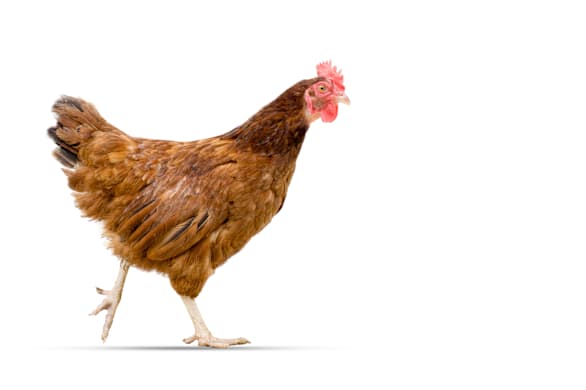
Read more about keeping chickens. If you’re considering them as pets, they can be relatively easy and inexpensive to maintain.
For many people, chickens make ideal pets. They have charming personalities, are fun to observe, provide fertilizer for your garden, are relatively easy to maintain, and lay fresh, nutritious eggs.
If you’ve ever considered keeping chickens, here’s how to get started:
Plan on more than one chicken
While chickens vary in their sociability, avoid keeping single chickens. Most chickens prefer companionship, so even keeping two or three will enable them to enjoy living in a flock and keep them happier.
Space is also a factor in how many chickens to keep. Before buying a coop, check local ordinances regarding flock size restrictions and potential bans on roosters. Don’t keep more chickens than your coop can comfortably house; aim for at least 3 to 5 square feet of coop space per bird, although 10 square feet per bird is ideal. It’s better to have extra room than to crowd them.
Pick the right types of chickens
Popular options include:
- Egg-layers: Rhode Island Reds, Barred Rocks, and White Leghorns.
- Exotic breeds: Silver Phoenix (long tail feathers) and Silkies (powder puff feathers and black skin).
Egg varieties range from small to extra large in colors from chalk white to chocolate brown and blue-green. You can purchase baby chicks at select Petco locations, local feed stores, or online hatchery retailers.
Design Your Chicken Coop
A chicken coop is your flock's permanent home — a sheltered, secure structure where your pet chickens sleep, lay eggs and stay safe from predators and the elements. A well-designed coop has five core components working together: a roosting area, nesting boxes, an attached run, bedding and reliable feeders and waterers. Getting each component right from the start makes daily care easier and keeps your flock calmer and healthier.
Ventilation, durability and predator-proofing are non-negotiable. Your coop should be 100 percent predator-proof and positioned in a spot that shields it from driving rain and harsh winds.
Lighting and Egg-Laying Rhythms
Chickens are photosensitive, meaning the amount of daylight they receive directly regulates their laying cycle. More light signals the body to produce eggs; less light slows production down. Under normal conditions, hens lay between sunrise and approximately 2 p.m. Because chickens have extremely poor night vision, they never lay eggs after dark.
If you live somewhere with limited winter daylight — think Alaska or the northern continental US — adding a low-wattage bulb on a timer can help maintain consistent laying through the darker months. A window that admits natural light works well in sunnier climates. Either way, your coop needs a reliable light source.
Bedding
Chickens excrete a mixture of crystalline urine and feces — a high-quality, reusable manure — anywhere and at any time, so absorbent bedding is essential. A few inches of bedding on the coop floor also gives your chickens a soft surface to walk on and satisfies their instinct to scratch and dig.
Recommended bedding: Soft wood shavings — aspen or pine — are the go-to choice. They absorb moisture and odors well and are easy to manage with either cleaning method described below.
Avoid cedar shavings. The aromatic oils in cedar can irritate a chicken's respiratory tract.
The Roost
In the wild, chickens instinctively sleep high off the ground on branches to stay out of reach of predators. Your coop's roosting bar replicates that. Follow these specifications:
- Bar dimensions: At least 2 inches thick × 4 inches wide, with rounded edges so feet wrap comfortably
- Space per bird: Allow roughly 10 inches of bar length per chicken
- Height: Place the roost higher than the nesting boxes — chickens gravitate toward the highest perch, and you want them sleeping on the roost, not in the nest
- Placement: Never position the roost directly above nesting boxes; droppings will contaminate them
Nesting Boxes
Nesting boxes are small, private spaces where hens lay their eggs. A hen needs quiet and low light to lay comfortably, so place boxes in a dark, calm corner of the coop, a few inches off the ground.
| Specification | Guideline |
|---|---|
| Box size (standard) | ~16" × 16" × 16" — hen should stand without touching the top |
| Boxes per hen | 1 box for every 2–4 hens |
| Height off floor | A few inches (reduces drafts, deters floor-laying) |
| Placement | Dark, quiet corner; lower than the roost |
You can purchase ready-made nesting boxes or build your own — there's a wealth of DIY plans available online. Size up if you keep larger breeds.
Cleaning Your Coop
Chickens produce waste constantly, so a consistent cleaning routine protects their health and yours. Two proven methods work well for pet chicken keepers:
The Deep Litter Method Add a base layer of wood shavings and let your chickens scratch and naturally aerate the material over time. This creates a slow compost on the coop floor. Top up the shavings regularly and remove finished compost as needed. It's a low-labor, sustainable approach that many backyard keepers prefer.
Daily Waste Removal Remove droppings every day. Don't discard them — chicken manure is one of the most nitrogen- and phosphate-rich chemical-free fertilizers available, and it's excellent for gardens once composted.
Whichever method you choose, consistency matters. Neglected waste attracts flies and parasites and creates an unhealthy environment for your flock.
Weekly inspection checklist:
- [ ] Check bedding depth and condition; add or replace as needed
- [ ] Inspect nesting boxes for soiling, broken eggs or parasites
- [ ] Examine feeders and waterers for cracks or buildup
- [ ] Look for signs of rodents or external parasites (mites, lice)
Periodically deep-clean and disinfect the entire coop. Use cleaning products that are free of harsh chemical fumes — chickens have sensitive respiratory systems, and fumes from strong agents can be harmful. This is especially important for feeders and waterers.
Hygiene reminder: Chicken feces can harbor bacteria including Salmonella. Wear gloves when cleaning, wash your hands thoroughly with soap and running water after any contact with the coop, and keep cleaning supplies separate from household items.
Feeding Your Pet Chickens
A well-balanced diet is the foundation of a healthy, productive flock. The core of your chickens' diet should be a high-quality pellet or crumble formulated specifically for laying hens — look for a product fortified with vitamins and minerals. Scatter a seed mix called scratch in the run each morning to keep your birds occupied and encourage natural foraging behavior, but make sure their main feed is available at all times.
Wholesome supplement foods (offer in moderation):
- Sunflower seeds
- Watermelon or muskmelon rinds and seeds
- Lettuce
- Cooked rice
- Blueberries
- Pumpkins
- Crickets or mealworms
Chickens can also forage on grass, as long as it has not been treated with pesticides or herbicides.
Foods to never feed your chickens:
| Food | Why to avoid |
|---|---|
| Citrus fruits or peels | Can disrupt digestion |
| Onions or garlic | May cause digestive upset |
| Dried beans | Contain hemagglutinin, which is toxic to birds |
| Avocado skin or pits | Contain persin, which is toxic to many animals https://www.aspca.org/pet-care/animal-poison-control |
| Chocolate | Toxic to many animals https://www.aspca.org/pet-care/animal-poison-control |
| Raw potato skins | Contain solanine, a harmful compound |
| Bones | Choking hazard; not appropriate for chickens |
| Poisonous plants (Morning Glories, Daffodils) | Toxic if ingested https://www.aspca.org/pet-care/animal-poison-control |
Grit is essential. Chickens have no teeth, so they rely on grit in their gizzard to grind food. Provide insoluble calcium grit (flint) or natural lime sand. Oyster shell is an excellent supplement — it supplies calcium that supports strong eggshell formation.
Hydration: Fresh, clean, chlorine-free water must be available at all times. Check and refresh waterers daily.
Keeping Your Chickens Healthy
A healthy pet chicken is active, alert and engaged with her surroundings — busy in a calm, methodical way. Know what "normal" looks like so you can spot changes early.
Signs of a healthy chicken:
- Bright, clear eyes
- Smooth, well-groomed feathers
- Active and alert behavior
- Strong appetite
- Normal droppings
- No visible parasites
Any significant change in these signs warrants a call to a board-certified avian veterinarian. Schedule routine wellness checks just as you would for any other pet — your vet can also advise on parasite prevention and treatment if you notice signs of lice, mites or other external parasites.
Zoonotic disease awareness: Chickens can carry Salmonella and E. coli without showing any symptoms themselves. To protect your household:
- Wear gloves when cleaning the coop or handling droppings
- Wash hands thoroughly with soap and running water after contact with chickens, eggs or their environment
- Supervise children closely and ensure they wash their hands every time
- Never allow chickens into the home, particularly in food preparation areas
With proper care and a nutritious diet, many chicken breeds live between 5 and 11 years — a meaningful, long-term commitment that's well worth making.
Egg Collection
Hens begin laying once they reach maturity — typically around six months of age, though breed, season and diet all influence the exact timing. You do not need a rooster for your hens to lay eggs.
| Factor | What to expect |
|---|---|
| Laying start age | ~6 months (varies by breed and season) |
| Average weekly output | ~5 eggs per hen |
| Average annual output | ~260 eggs per hen |
| Peak production years | Years 1–2 |
| Production at age 5 | May drop by ~50% |
Collect eggs from the coop every day to keep them clean and discourage hens from brooding. If a young hen suddenly stops laying, consult your avian veterinarian — common causes include stress, nutritional gaps, extreme temperatures and molting, all of which are manageable with the right guidance.
Keeping pet chickens is genuinely rewarding. Once your coop is set up and your flock is settled in, consider joining an online backyard chicken forum — the community of chicken keepers is enthusiastic, knowledgeable and happy to help you learn.
Frequently Asked Questions
How much space do pet chickens need? Plan for a minimum of 3 to 5 square feet of enclosed coop space per bird, though 10 square feet per bird is ideal. Crowded conditions increase stress, aggression and disease risk, so err on the side of more room rather than less. Always check local ordinances before building or buying a coop, as many municipalities cap flock size.
What do pet chickens eat? The foundation of a pet chicken's diet should be a high-quality pellet or crumble feed formulated specifically for laying hens — look for a product fortified with vitamins and minerals. Supplement with a seed mix (scratch), fresh vegetables, fruits, grains and occasional treats like mealworms or blueberries. Chickens also require insoluble grit (flint or lime sand) to grind food in their gizzards, plus oyster shell for calcium to support strong eggshells. Fresh, clean, chlorine-free water must be available at all times. Never feed citrus, avocado skins or pits, onions, garlic, dried beans, chocolate, raw potato skins or poisonous plants such as Morning Glories or Daffodils. https://www.aspca.org/pet-care/animal-poison-control
How long do pet chickens live? With proper care and a nutritious diet, most chickens live between 5 and 11 years, depending on breed. Smaller, lighter breeds bred primarily for egg production tend toward the shorter end of that range, while heritage and dual-purpose breeds often live longer. Regular wellness checks with a board-certified avian veterinarian can help catch health issues early and support a longer, healthier life.
Do pet chickens need a rooster to lay eggs? No. Hens lay eggs entirely on their own — a rooster is only needed if you want fertilized eggs for hatching chicks. In fact, many local ordinances ban roosters outright in residential areas, so check your municipal rules before adding one to your flock. If egg production slows in winter, it is due to reduced daylight hours, not the absence of a rooster; a timer-controlled coop light can help maintain laying through shorter days.
Do pet chickens need companions? Yes. Chickens are social flock animals and can become stressed, bored or depressed when kept alone. Keeping at least two to three birds allows them to exhibit natural flock behaviors, stay mentally stimulated and remain calmer overall. A single chicken is generally not recommended regardless of how much human interaction it receives.
Can pet chickens make people sick? Chickens can carry Salmonella and E. coli without showing any signs of illness themselves, and these bacteria can be transmitted to people through direct contact or handling of eggs and droppings. To reduce risk: wear gloves when cleaning the coop, wash hands thoroughly with soap and running water after any contact with chickens or their environment, supervise children closely, and never allow chickens into food-preparation areas. https://www.aspca.org/pet-care/animal-poison-control
This article was created with assistance from AI tools and reviewed for accuracy by Petco's content team.
Related Articles


