Two Easy Ways to Start Earning Rewards!
Earn 2X Pals Rewards points at Petco
when you use Petco Pay!
Get It Today
Learn how to care for freshwater community fish, recommended diet & aquarium setup. Find the right food, supplies & equipment at your neighborhood Petco.
Updated on November 13th, 2025
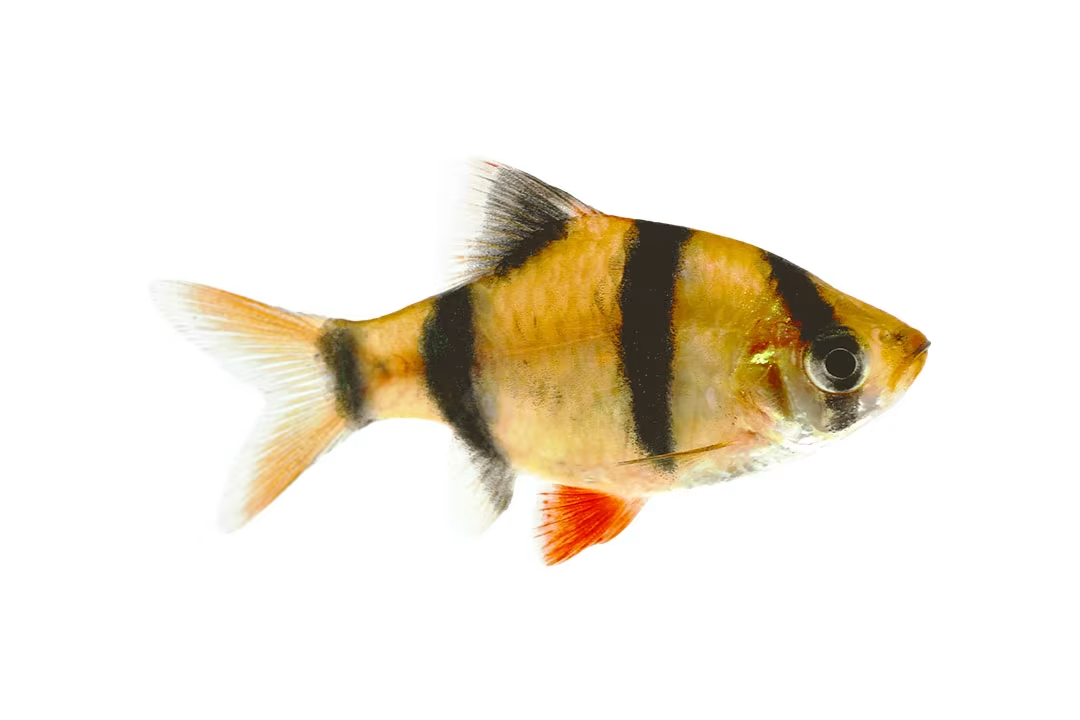
Learn how to care for Barbs fish, recommended diet and aquarium setup. Find Barbs for sale, supplies and equipment at your neighborhood Petco.
Updated on November 13th, 2025
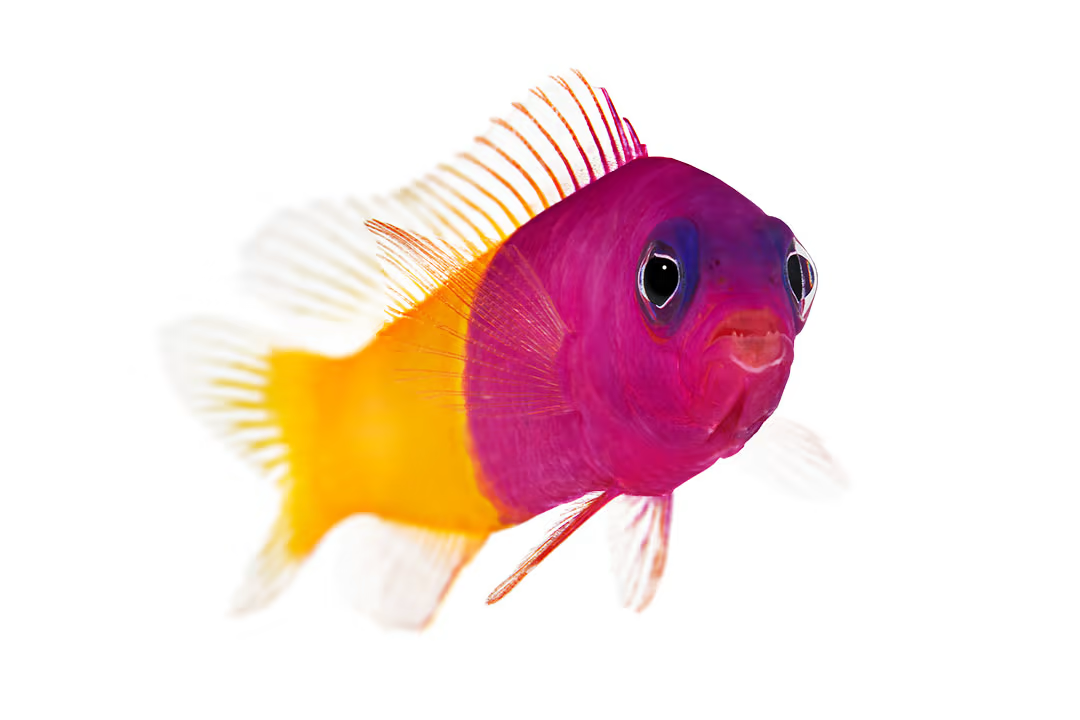
Small Marine Fish are favorites with marine aquarists and includes a wide range of species.
Updated on November 13th, 2025
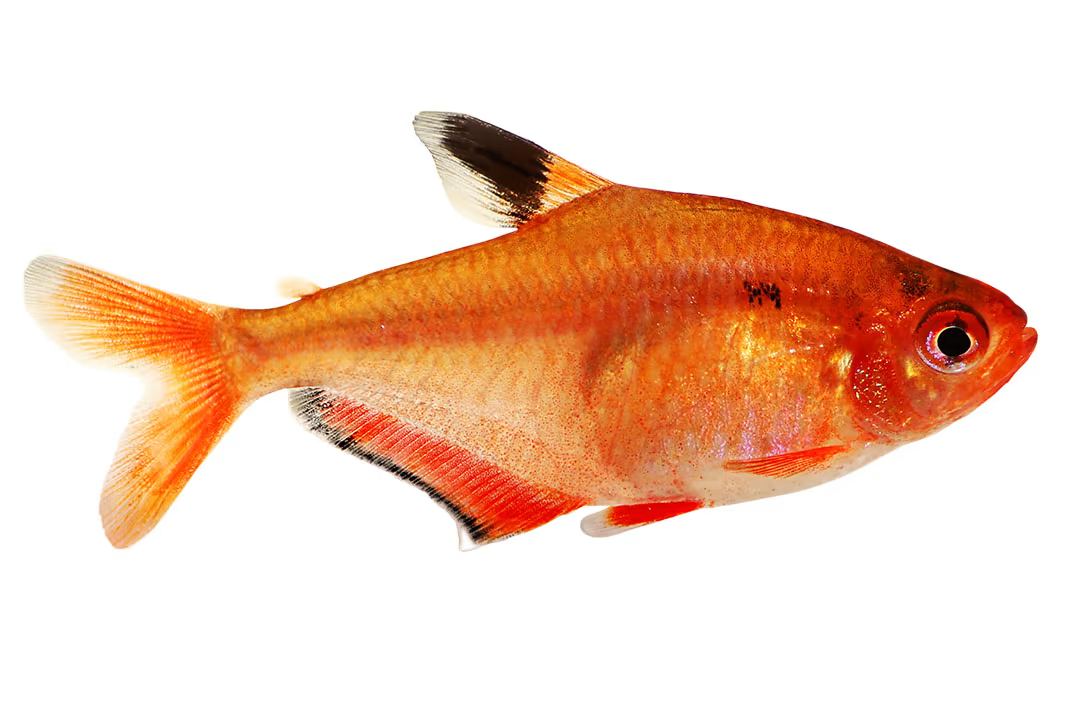
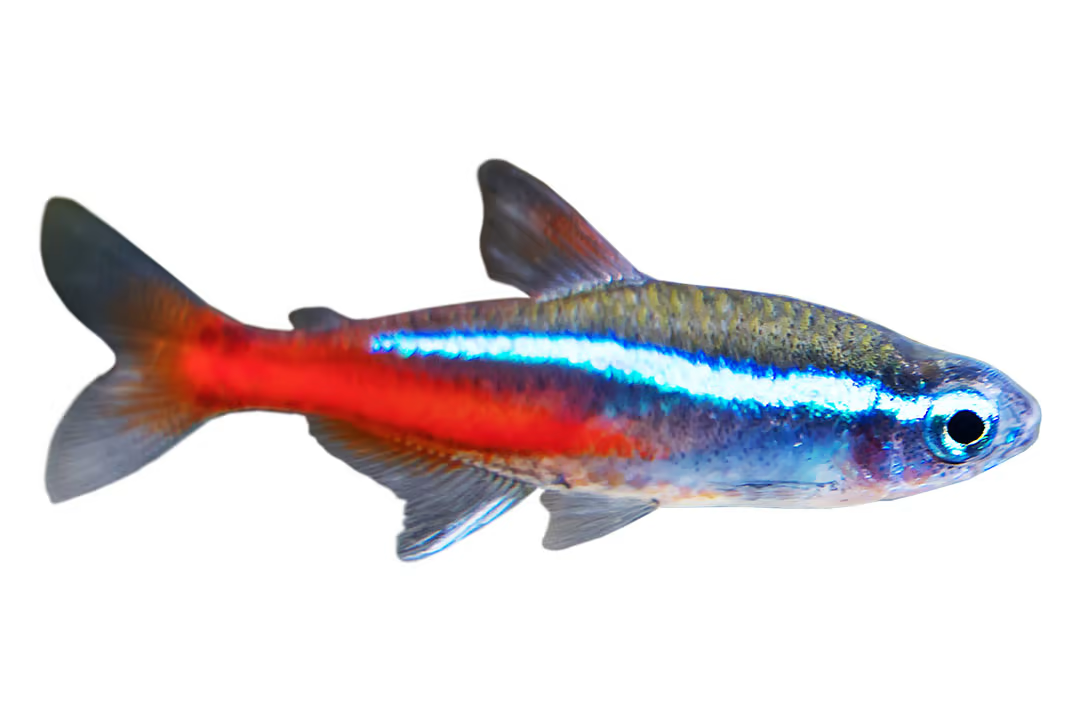
Learn how to care for a Tetra, recommended diet & habitat setup. Find the right food, supplies & equipment at your neighborhood Petco.
Updated on November 13th, 2025
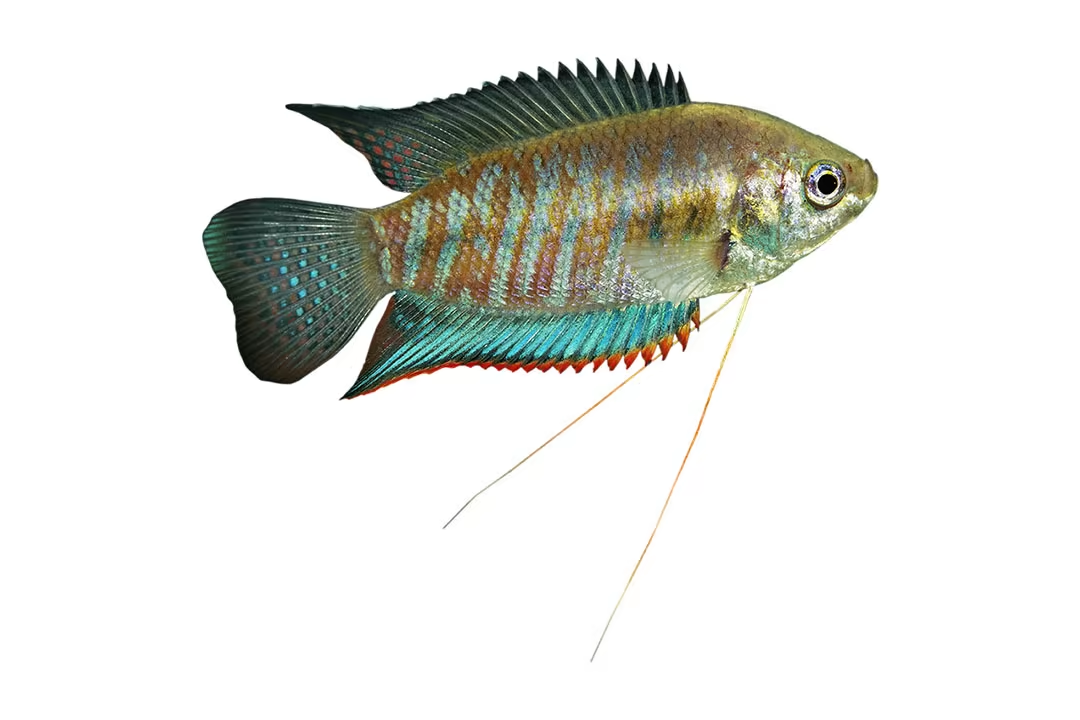
Learn how to care for Paradise fish, recommended diet and aquarium setup. Find the right food, supplies and equipment at your neighborhood Petco.
Updated on November 13th, 2025
Check the water chemistry. Confirm ammonia and nitrite levels are 0.25ppm or less and nitrates are 40ppm or less. Use a liquid test kit or submit a sample for testing. Most pet stores or aquarists will do this for free or for a small fee. Partial water changes, about 30% can be done to decrease high levels. Use only aged or conditioned water that is temperature matched to prevent further stress or shock. My preferences for water conditioning are AmQuel Plus and NovAqua in addition to StressCoat. Confirm water temperature between 78F and 80F. You can soak pellets in some garlic juice to stimulate his appetite.
Updated on August 12th, 2025
You can try feeding them commercial fish food or meal works from your local pet store. If you would like a consult, you can provide pictures and we can give you a better idea of what kinds of fish they are and if they have special requirements for their diet. Hope this helps!
Updated on August 12th, 2025
Thanks for your question about your fish, and congratulations on your new family members! I didn't see how recently the tank was set up, but there are a couple of things that could be going on. I would start by checking your water quality - any abnormalities in water quality can make fish have abnormal behaviors, and the water looks a bit murky in the photos you provided. There may be parameters that need to be addressed depending on what you find. If you do not have a water quality kit, they can be purchased at the pet store or an aquarium store, or you can take a sample of your water in for evaluation to these places as well. Some will charge a small fee for this service, just so you are prepared. Also, with recent tank set ups, it can be stressful for fish as they are in a new habitat. I would recommend keeping the light on for only a few hours per day to start, as the bright lights can be shocking for them (since fish don't have eyelids). Gradually you can increase the length of t
Updated on August 12th, 2025
Those could be copepods. They are typically harmless and difficult to completely eradicate. On the good side, they are a sign of a healthy tank and are useful in eating decaying matter in the aquarium. The brown algae can be due to insufficient lighting or lighting periods. You can wipe down the glass and plants, perform a partial water change and increase lighting. It can take weeks to month to resolve. Use only aged or conditioned water that is temperature matched to prevent stress or shock. Confirm stable water chemistry and quality. Make sure the water temperature is correct as well. Too warm or too cold can cause stress. Look the Jack Dempsey over for signs of injury or infection. Ich, bacterial infection or fungal infection can cause the fish too twitch or shiver. Plain aquarium salt (NOT table salt or Epsom salt) dissolved at 1 tablespoon per 5 gallons of water is a great general tonic that can reduce stress, improve gill function, treat minor infection and aid in any recover
Updated on August 12th, 2025
Check the water chemistry and quality first. Poor quality can predispose him to infection. Use a home test kit or submit a water sample for testing. Your local Petco may do this for free or for a small fee. If ammonia and/or nitrite levels are elevated, perform partial water changes until both read 0 ppm and nitrates are 20 ppm or less. Use only conditioned water that is temperature matched to prevent further stress or shock. Providing pristine water quality is the foundation for treatment and healing. Check the water temperature since low temps can affect appetite and activity in fish. If the water is too warm, it can also affect activity since warm water does not hold as much oxygen as cooler waters. Fast the fish for 2-3 days then feed tiny bits of cooked and shelled green peas. This will aid in defecation if there is constipation. Plain aquarium salt (not table salt or Epsom salt) can be used for most fish as a general tonic to reduce stress, improve gill function, treat minor in
Updated on August 12th, 2025