Home & HabitatInjured lizard care: food, lighting, and habitat setup tips?
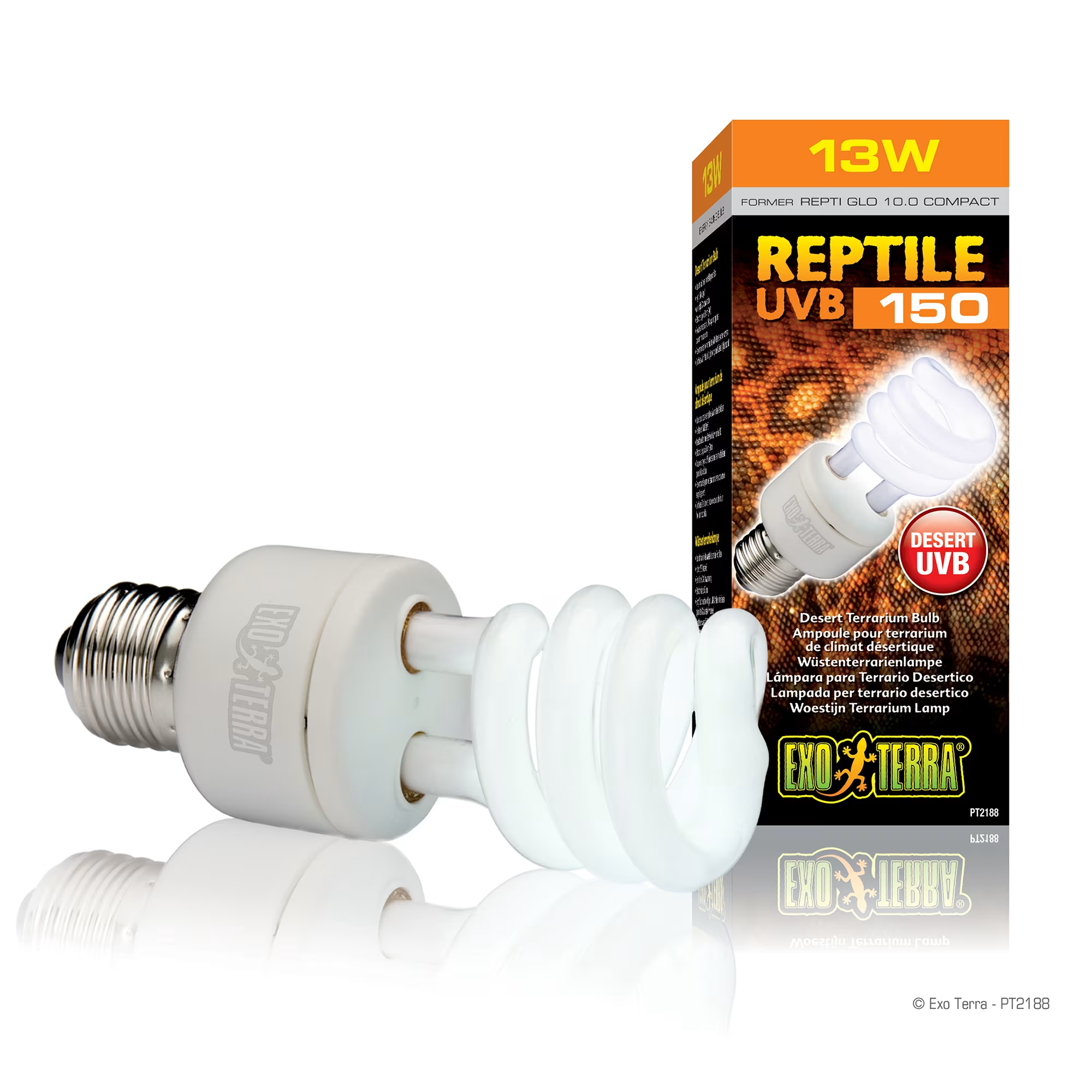
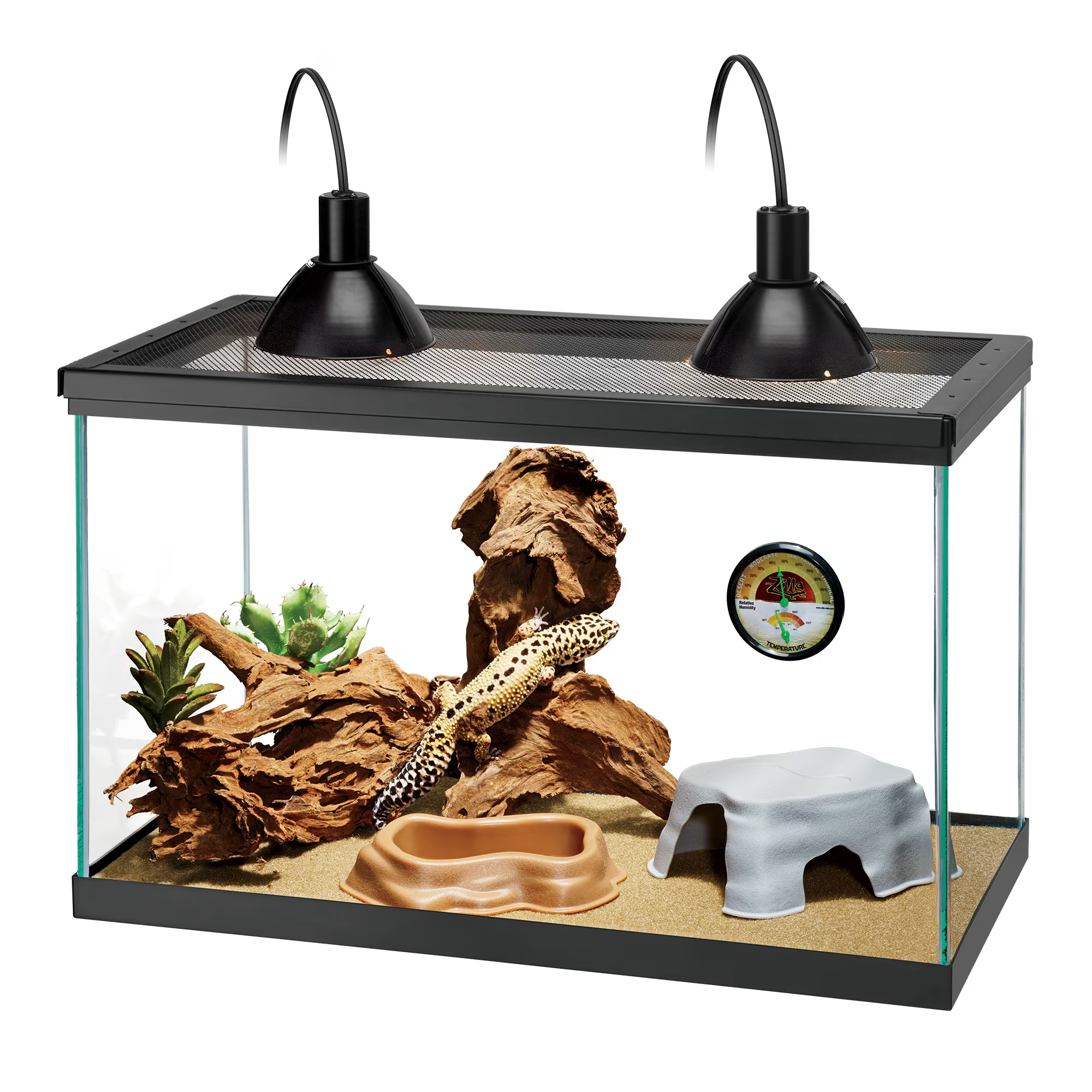
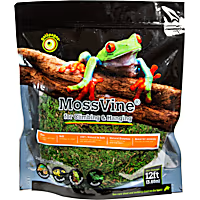
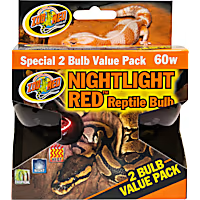
It does appear to be of the takydromus species. These grass lizards are common and fairly easy to keep. Being adept climbers, more vertical space should be offered in an enclosure. Branches and vines can be placed for climbing. Bring reptiles, they need an external heat source and UVB lighting. Daytime temps can range from 24 C to 30 C (75-85 F). Provide a basking spot of around 35 C to 38 C (95-100 F) using a heat lamp. Aim for 70-80% humidity.
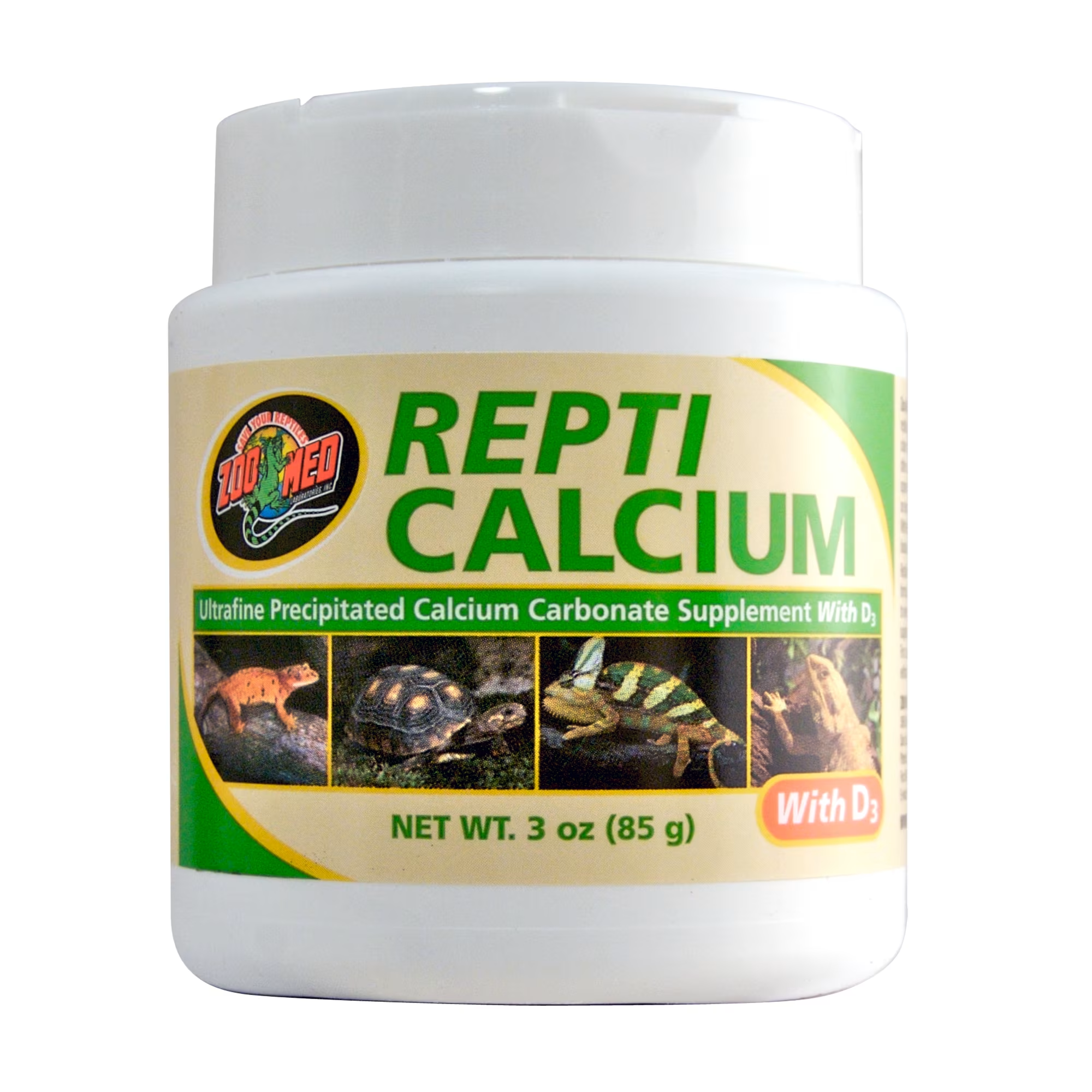
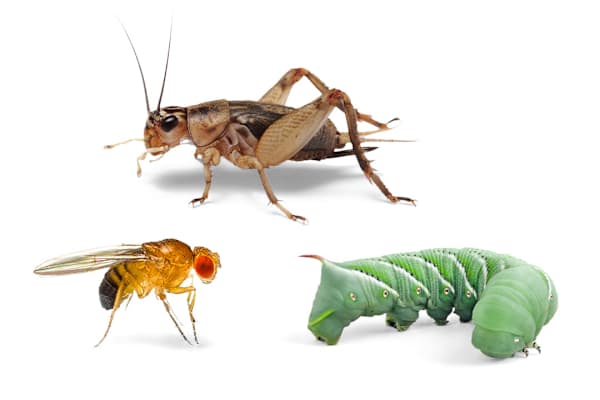
Provide a shallow bowl for water. Mist the cage daily. Feed appropriately sized prey, no bigger than the space between the eyes, that have been gutload for 24 hours prior to offering. This will maximize nutritional value. Crickets, mealworms, dubia roaches, waxworms or wingless fruit flies can all be offered. Dust prey with a calcium supplement and a multivitamin supplement several times weekly.
Ideally, the wound should be addressed by a veterinarian experienced in treating reptiles. You can clean it with dilute Betadine or chlorhexidine solution daily and monitor for redness, bleeding, lethargy or decreased appetite.
Updated on September 24th, 2025


 Members-only pricing and offers, personalized care notifications, Vital Care points back on every purchase and more!
 Become a credit card member today!