Two Easy Ways to Start Earning Rewards!
Earn 2X Pals Rewards points at Petco
when you use Petco Pay!
Get It Today
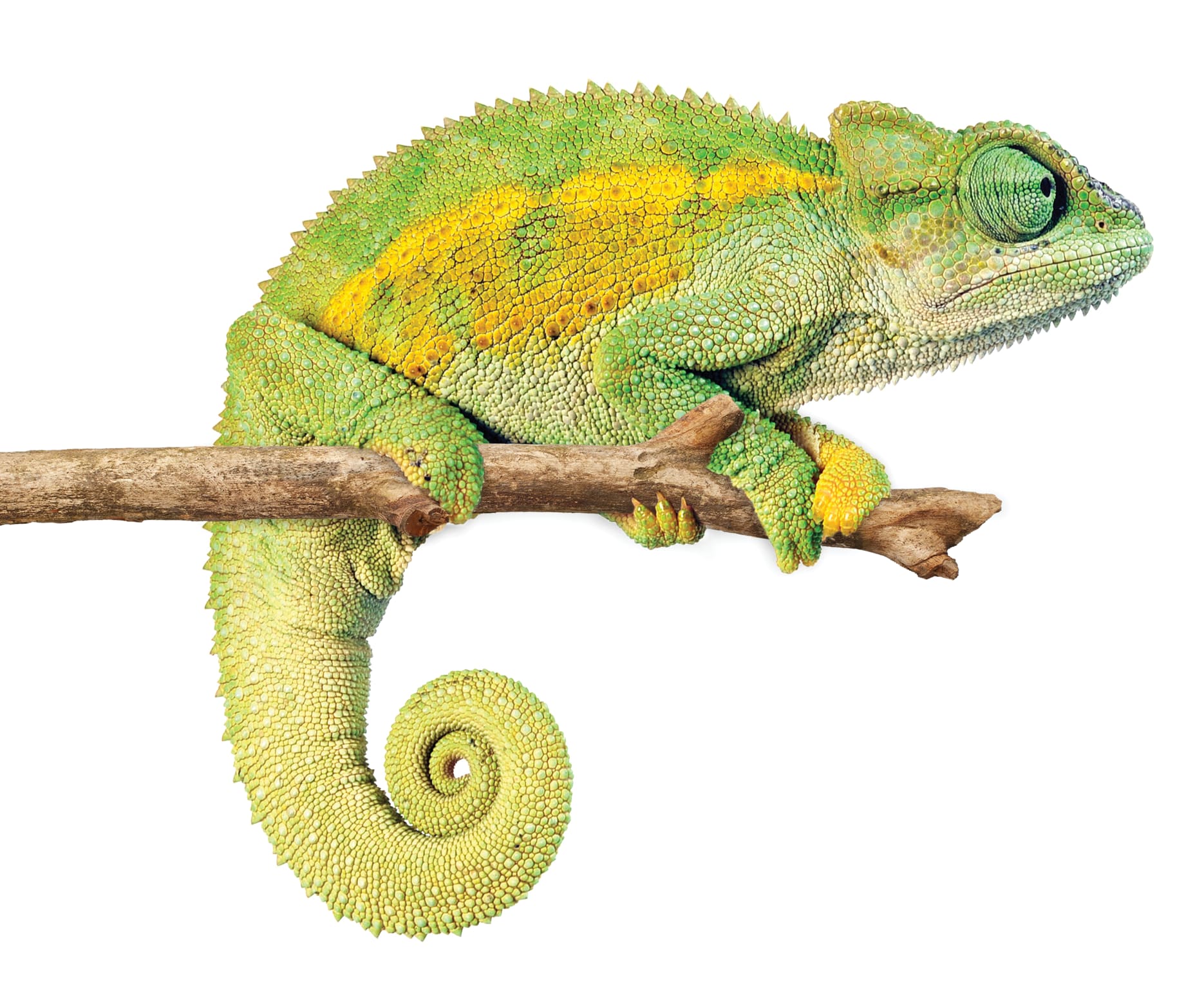
Learn how to care for cool climate Chameleons, recommended diet & habitat setup. Find the right food, supplies & equipment at your neighborhood Petco.
Updated on April 9th, 2026
Learn how to care for warm climate Chameleons, recommended diet & habitat setup. Find the right food, supplies & equipment at your neighborhood Petco.
Updated on April 9th, 2026
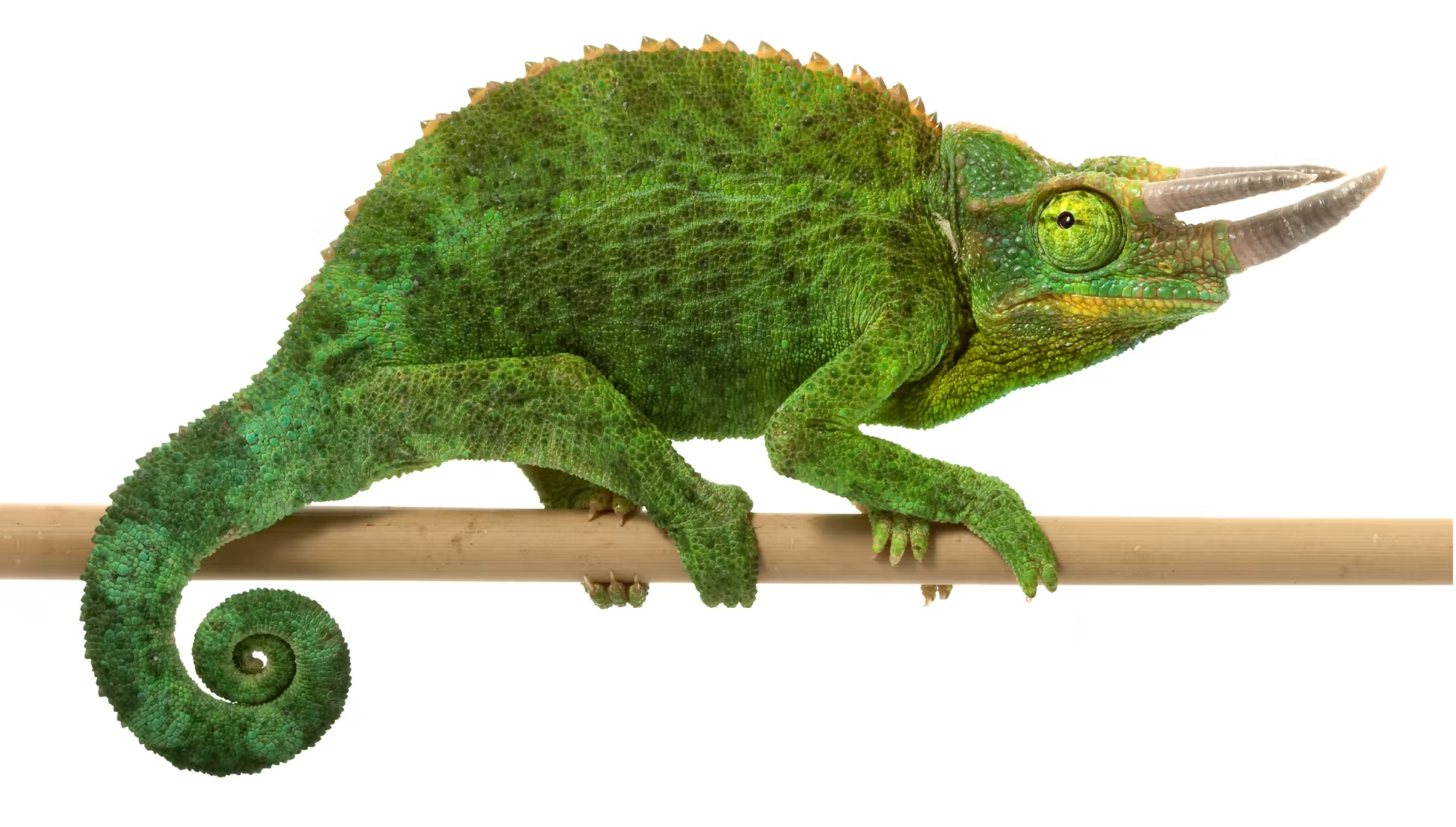
Learn how to care for Jackson's Chameleons, recommended diet & habitat setup. Find the right food, supplies & equipment at your neighborhood Petco.
Updated on April 9th, 2026
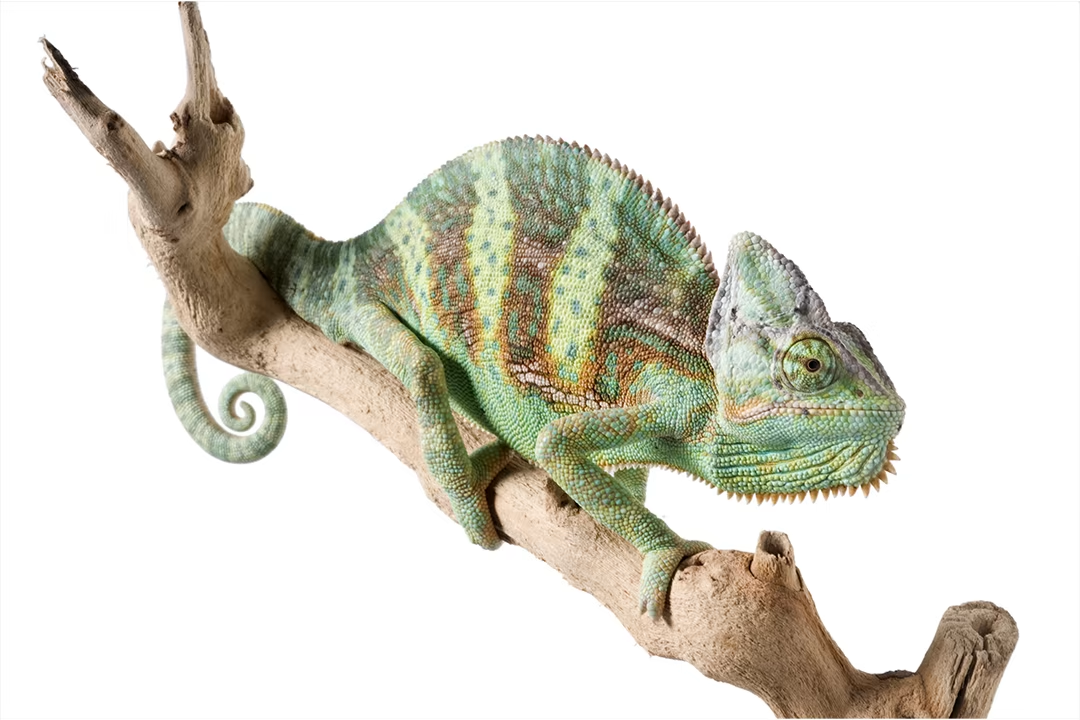
Learn how to take care of your Veiled Chameleon, tank size, diet & habitat setup. Find the right food, supplies and equipment at your neighborhood Petco.
Updated on December 22nd, 2025
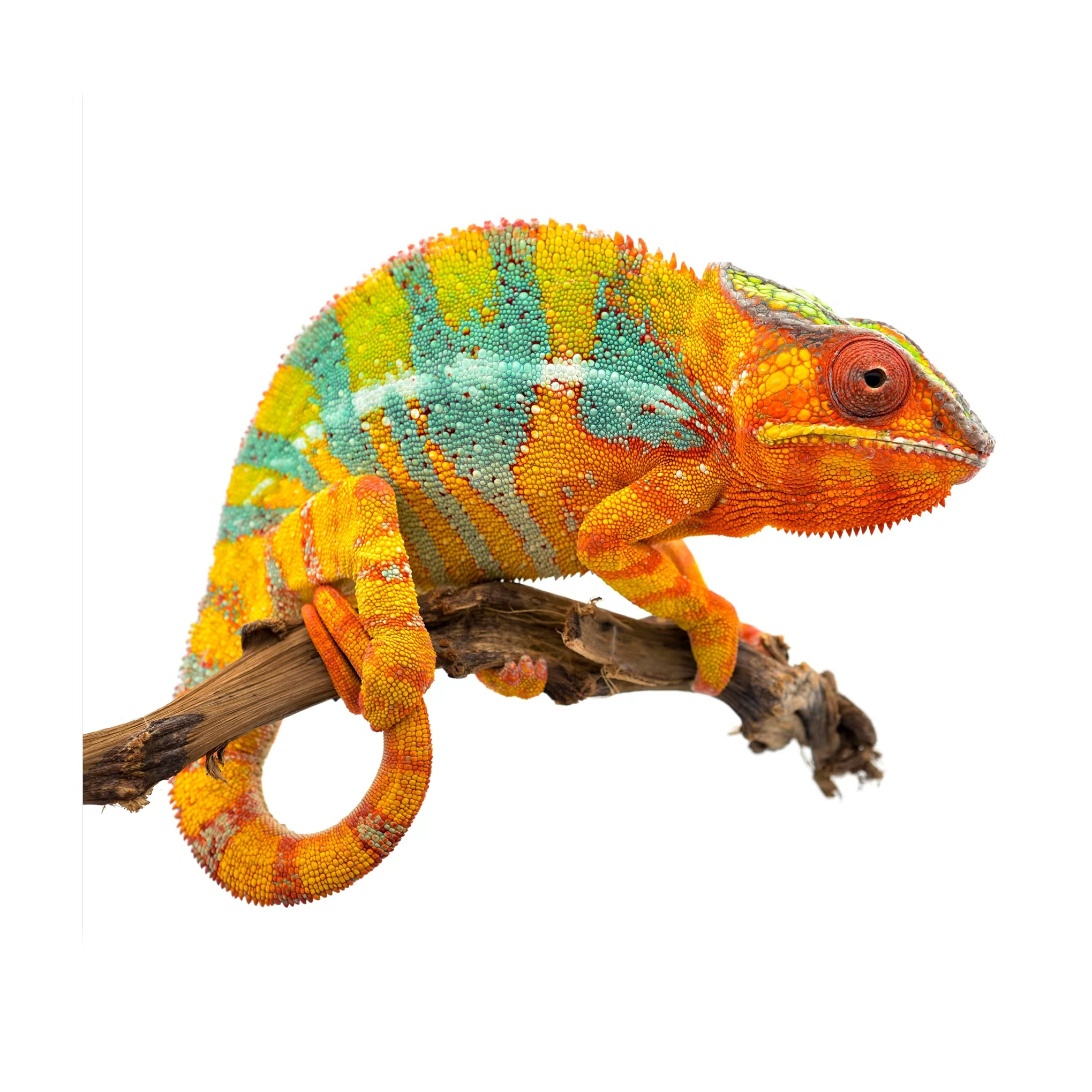
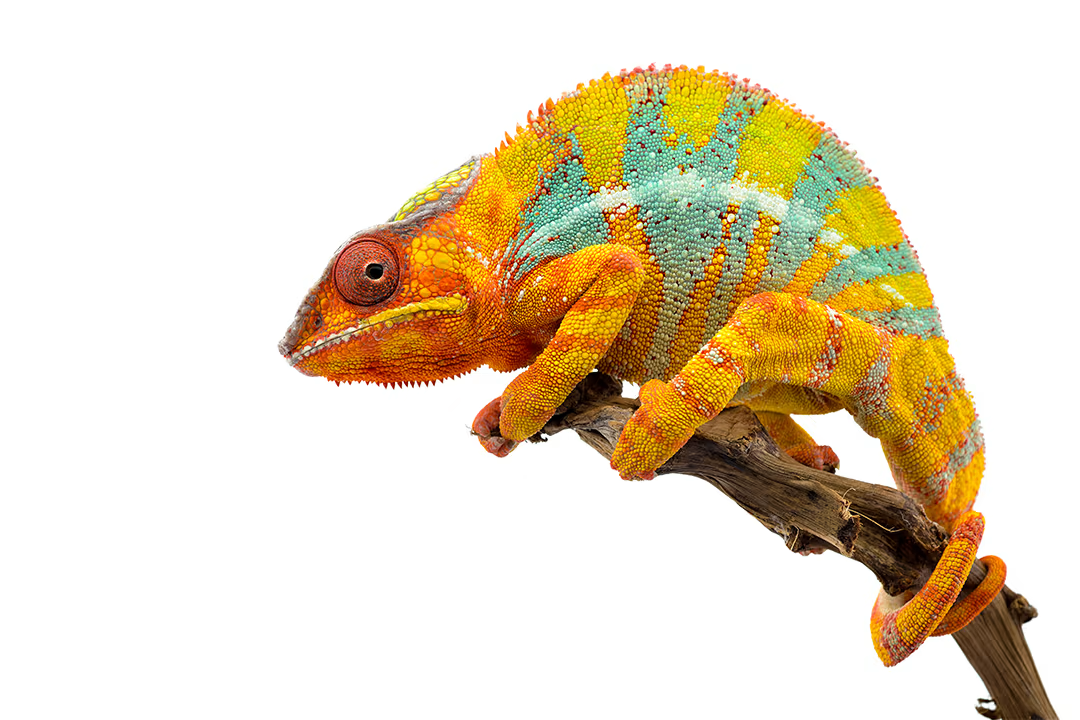
Learn how to take care of your Panther Chameleon, tank size, diet & habitat setup. Find the right food, supplies and equipment at your neighborhood Petco.
Updated on April 9th, 2026
Check the temperature in the enclosure. Low temps can affect appetite and activity in reptiles. If she will allow, look in and around her mouth for signs of infection or injury. This may include redness, swelling, bruising, bleeding or discharge. If you see anything suspicious, have her examined by your veterinarian or a vet experienced in treating reptiles. In the meantime, soak her in a warm 50/50 solution of water and unflavored PediaLyte for 15-20 minutes to provide warmth and hydration. Fluker's Repta-Boost can be used to supplement the diet or to provide calories until her appetite picks up. You can find it in the local Petco.
He may be stressed at the change in environment. You'll first need to determine what negative stimuli, if any, are present. The enclosure should be in a low traffic area away from drafts, loud noises or direct sunlight. If he's in front of a window, make sure he can move out or the light whenever he wants. Check environmental parameters as well. Low temps, insufficient lighting or improper humidity levels can result in stress. Feed appropriately sized prey. N bigger than the space between his eyes. Gut load them for 24 hours prior to offering to maximize nutritional value. Soak or mist him with a warm 50/50 solution of water and unflavored PediaLyte to prevent or treat mild dehydration. As a new pet, consider having him examined by your veterinarian or a vet experienced in treating reptiles to confirm good health or to treat any pre existing conditions.
Survey the area around the cage for any negative stimuli. This may include loud noises, strong vibrations, strong drafts or high traffic. Reduce or eliminate any if found. Confirm proper temperature. If it is too hot up high, he will move to cooler temps. Be sure to gut load prey for 24 hours prior to offering to maximize nutritional value. Dust with a calcium supplement as well as a multivitamin regularly. If the behavior persists, consider an exam with your vet or a vet experienced in treating reptiles to diagnose and treat illness or injury. You can review chameleon care a the link below. http://www.reptilesmagazine.com/Care-Sheets/Lizards/Panther-Chameleon/
Veiled chameleons have been known to occasionally eat vegetables and greens but they are mainly insectivores. It may eat the pellets or not. The only way to find out would be to offer some in a cup. Leafy greens, berries, sliced fruit and veggies may be easier to offer.
Hi, For heat you could do a number of things e.g. place any incandenscent bulb above him, place other types of heaters near the tank etc. Please make sure that the temperature is not too high. As for food, this is more of a problem. If he's used to eating crickets it would be difficult to switch him at once to something else. I assume meal worms or otjer insects are also unavailable? You could very temporarily try some soft cat food but it may not work.