Fresh, Frozen, & Freeze-Dried Cat Food




Get It Today


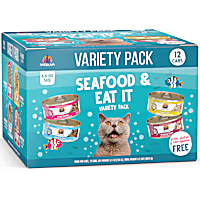

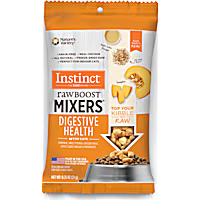
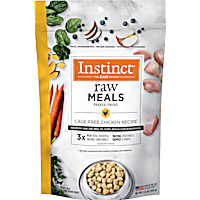
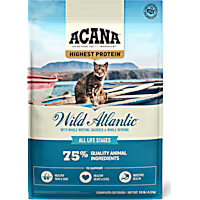

Related Searches
Raw, Fresh, and Frozen Cat Food Explained
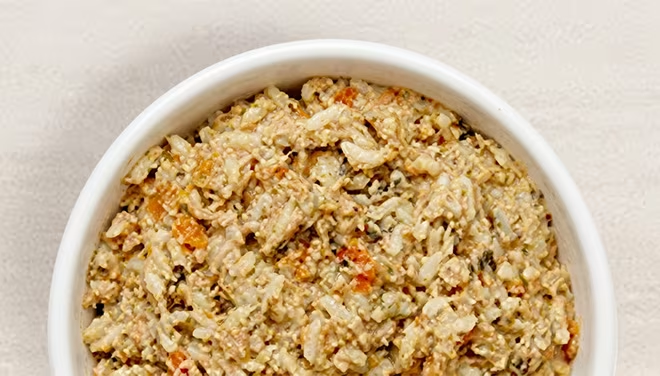
Raw cat food gives your cat a diet closer to what cats would eat in the wild. These recipes use minimally processed ingredients, including raw meat, organs, and sometimes raw bone, to preserve natural nutrients and enzymes. Fresh and frozen cat food options offer similar benefits with added convenience, staying cold until you’re ready to serve.
The main recipe types available are:
- Raw frozen: portioned raw meat blends kept frozen to maintain freshness and safety
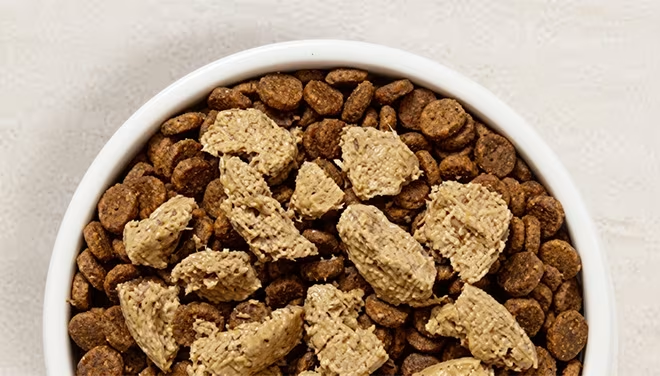
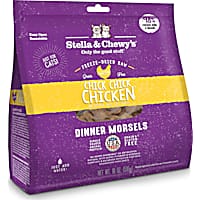
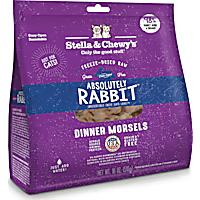
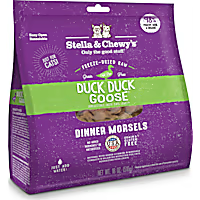
- Freeze-dried raw: raw ingredients with moisture removed for shelf-stable storage that rehydrates before serving
- Fresh refrigerated: lightly cooked or raw recipes delivered cold with a short shelf life
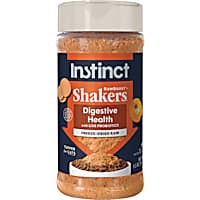
- Raw toppers: small amounts of raw food used to enhance your cat’s regular meals
Is Raw Cat Food Right for Your Cat?
Raw and fresh cat food can be a great choice for cats whose owners want to minimize processing and maximize protein quality. Many pet parents report improvements in coat condition, energy, and stool quality after transitioning to raw cat food. That said, raw feeding requires careful handling to prevent bacterial contamination, and it is not recommended for cats with compromised immune systems without veterinary guidance.
Key things to know before you switch:
- Always thaw frozen raw food in the refrigerator, not on the counter
- Wash hands, bowls, and surfaces thoroughly after handling raw food
- Transition slowly over 7 to 10 days to let your cat’s digestive system adjust
- Talk to your vet first if your cat is immunocompromised, pregnant, or very young
Frequently Asked Questions
-
Raw frozen cat food is uncooked meat stored at freezing temperatures. Freeze-dried cat food goes through a process that removes moisture while keeping the food at low temperatures, resulting in a shelf-stable product that you rehydrate before serving. Both aim to preserve nutrition with minimal processing.
-
Some cats thrive on a complete raw diet, but it requires careful planning to ensure nutritional balance. Many raw cat food products are formulated to be complete and balanced. Check for an AAFCO statement on the packaging and consult your vet before making a full switch.
-
Thawed raw cat food should be used within 2 to 3 days when stored in the refrigerator. Never refreeze raw cat food once it has been thawed. Discard any portion that has been left at room temperature for more than 1 to 2 hours.