Sensitive Stomach Cat Food
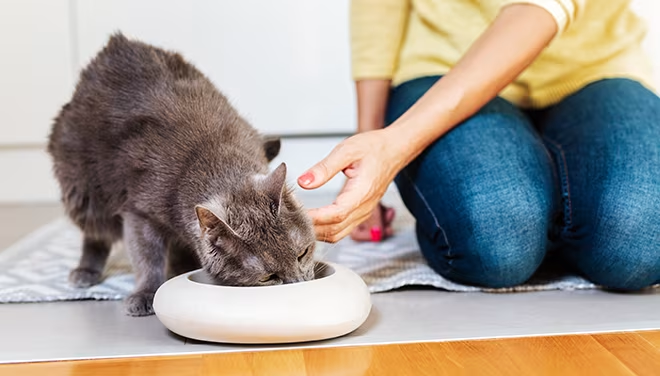
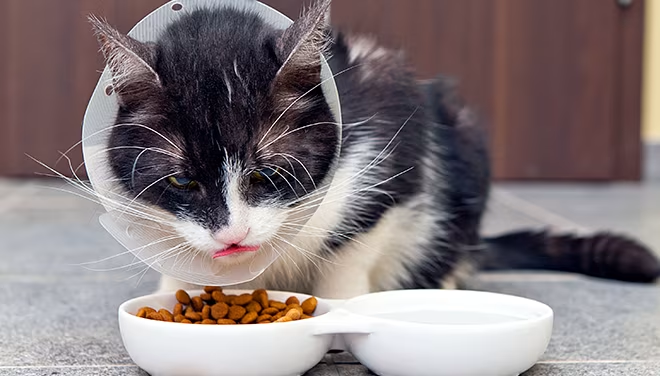
Shop our most popular brands





Get It Today





Related Searches
Sensitive Stomach Cat Food for Cats Who Need a Gentler Diet
Sensitive stomach cat food is formulated to be easier on your cat’s digestive system. These recipes use highly digestible proteins, limited or no common allergens, and added digestive support ingredients like probiotics, prebiotics, or pumpkin. If your cat regularly vomits after meals, has loose stools, or shows signs of digestive discomfort, a sensitive stomach formula may help.
Features commonly found in sensitive stomach cat food may include:
- Easily digestible proteins like turkey, chicken, or fish
- Probiotics and prebiotics to promote a balanced gut environment
- Pumpkin or beet pulp to increase fiber intake
- No artificial additives, by-products, or common allergen proteins
- Limited ingredient lists to reduce exposure to potential irritants
How to Pick the Right Sensitive Stomach Formula
Not all sensitive stomach cat foods are the same. Some focus on eliminating allergens with a limited ingredient approach. Others focus on digestive enzyme support or probiotic enrichment. Start by identifying the most likely trigger for your cat’s digestive upset, whether that’s a protein type, a grain, or an additive, then choose a formula that addresses it directly. Your vet can help you identify what ingredients your cat may be reacting negatively to and help you narrow down your search.
Look for these features when choosing a sensitive stomach cat food:
- Single or novel protein source to reduce allergy risk
- Added digestive enzymes or live probiotics
- No corn, wheat, or soy if your cat has shown reactions to those ingredients
- Wet or fresh food options, which are often easier to digest than dry kibble
Frequently Asked Questions
-
Common signs include frequent vomiting, soft or loose stools, gas, or visible discomfort after eating. These symptoms can also indicate other health issues, so consult your vet before switching foods. A vet visit rules out underlying medical causes and helps you choose the right formula.
-
Most cats show improvement within 2 to 4 weeks of switching to a sensitive stomach formula, assuming the formula addresses the root cause. Transition slowly over 7 to 10 days to avoid triggering additional digestive upset during the switch.
-
Yes, at least initially. Introducing treats while also switching to a sensitive stomach formula makes it harder to identify what is causing or resolving symptoms. Once your cat’s digestion has stabilized, you can reintroduce treats gradually, preferably ones with a simple, limited ingredient list that matches the protein in their food.
-
Wet sensitive stomach formulas are often easier to digest because the higher moisture content reduces the concentration of ingredients and supports gut motility. If your cat’s symptoms are persistent, starting with a wet formula and transitioning to dry once symptoms resolve is a reasonable approach.