Two Easy Ways to Start Earning Rewards!
Become a member today! Members-only pricing and offers, personalized care notifications, Vital Care points back on every purchase and more!
 Become a credit card member today!
Earn 2X Pals Rewards points at Petco
when you use Petco Pay!APPLY NOWLearn More About Petco Pay Benefits
Senior Cat Food
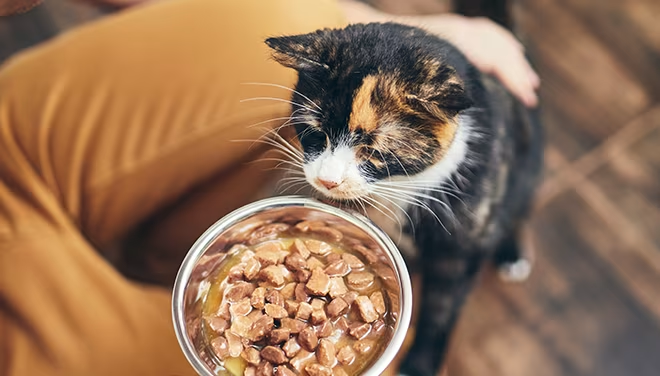
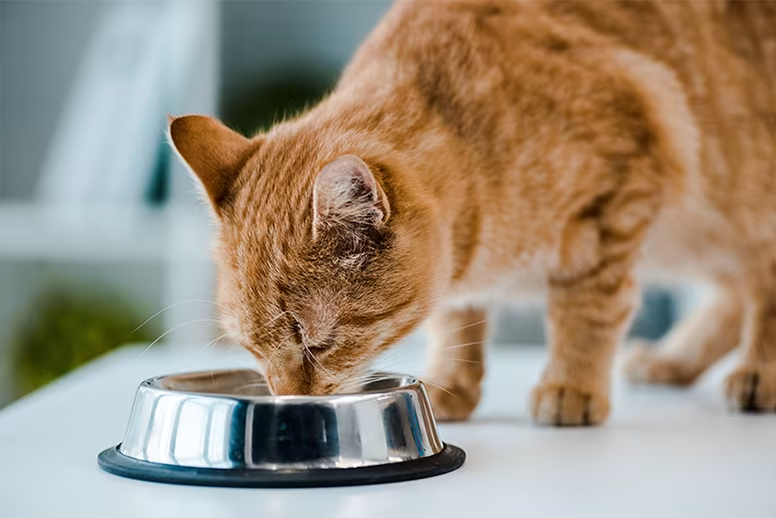
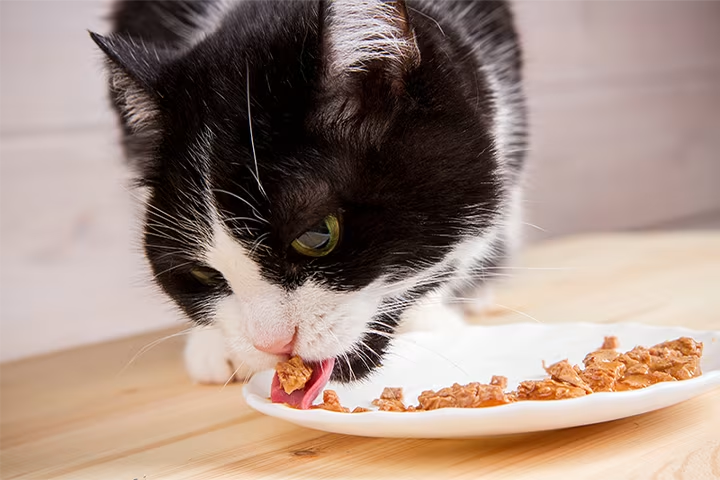
Shop our most popular brands






Get It Today



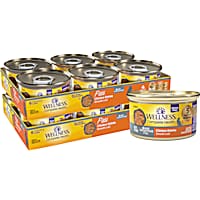
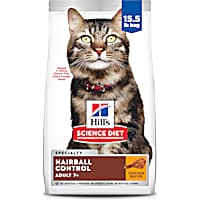
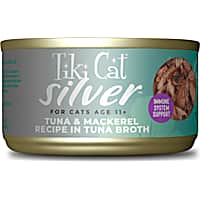
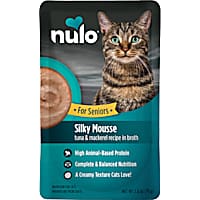

Related Searches
Senior Cat Food Designed for What Your Older Cat Needs
Senior cat food is formulated to address the nutritional changes that come with aging in cats. Most cats are considered senior at age 7 or older, and their nutritional needs shift as their metabolism, digestive efficiency, and organ function change over time. Senior cat foods often feature highly digestible proteins, adjusted calorie levels, and added nutrients that promote joint comfort, kidney function, and cognitive health.
Key features common in senior cat food may include:
- Highly digestible proteins that are easier on aging digestive systems
- Controlled phosphorus to support kidney health
- Added antioxidants like vitamin E and C to promote immune function
- Omega-3 fatty acids from fish oils to promote joint and coat health
- Adjusted calorie density based on your senior cat’s activity level
How to Choose the Best Senior Cat Food
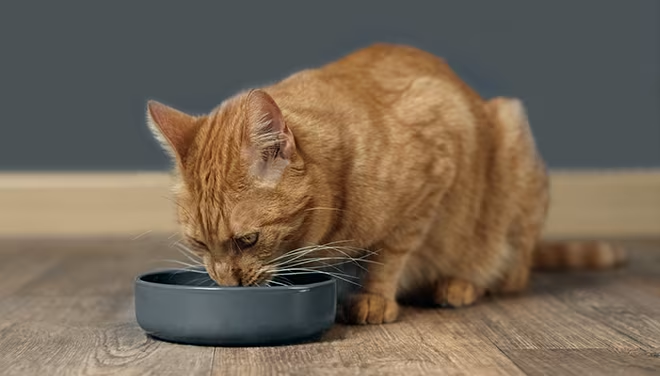
Not all senior cats have the same needs. Some older cats need fewer calories because their activity declines. Others lose weight as they age and need calorie-dense food to maintain a healthy body weight. Wet senior cat food is often a smart choice because the added moisture promotes hydration and is gentle on cats who may have dental issues. Be sure to consult your vet to understand what your cat’s specific needs are.
Match your senior cat’s food to their current health by considering:
- Overweight senior cat: choose a calorie-controlled formula with added fiber
- Underweight senior cat: choose a higher-calorie formula with dense protein
- Cat with kidney concerns: look for controlled phosphorus and moisture-rich wet food
- Cat with joint stiffness: look for formulas with added glucosamine or omega-3s
- Cat with dental issues: soft wet food or softened kibble is easier to eat
Frequently Asked Questions
-
Most vets recommend transitioning to a senior formula around age 7. However, the right timing depends on your individual cat’s health and body condition. Some cats do well on adult food well into their senior years. Ask your vet at your cat’s annual wellness visit whether it is time to make the switch.
-
Yes, wet food is often a good choice for senior cats. It provides additional moisture, which promotes kidney health and hydration. It is also easier to eat for cats with dental pain or tooth loss. Senior cats can eat dry food too, but wet food or a combination of both is often recommended by vets for aging cats.
-
Monitor body weight monthly by feeling your cat’s ribs and spine. You should feel them without pressing hard, but they should not be prominently visible. Senior cats can lose muscle mass even while eating well, which is called sarcopenia. If your cat is losing weight despite a good appetite, consult your vet about switching to a calorie-dense senior formula or additional diagnostic testing.
-
Some adult cats eat well on standard adult formulas well into their senior years, particularly if they remain active and healthy. Senior-specific formulas offer targeted benefits like controlled phosphorus, added antioxidants, and joint-supporting nutrients that standard adult food may not provide. Ask your vet at your cat’s annual exam whether a senior formula is appropriate given your cat’s specific health profile.