Two Easy Ways to Start Earning Rewards!
Become a member today! Members-only pricing and offers, personalized care notifications, Vital Care points back on every purchase and more!
 Become a credit card member today!
Earn 2X Pals Rewards points at Petco
when you use Petco Pay!APPLY NOWLearn More About Petco Pay Benefits
High Protein Cat Food
Shop our most popular brands




Get It Today





Related Searches
High Protein Cat Food for the Carnivore in Your Cat
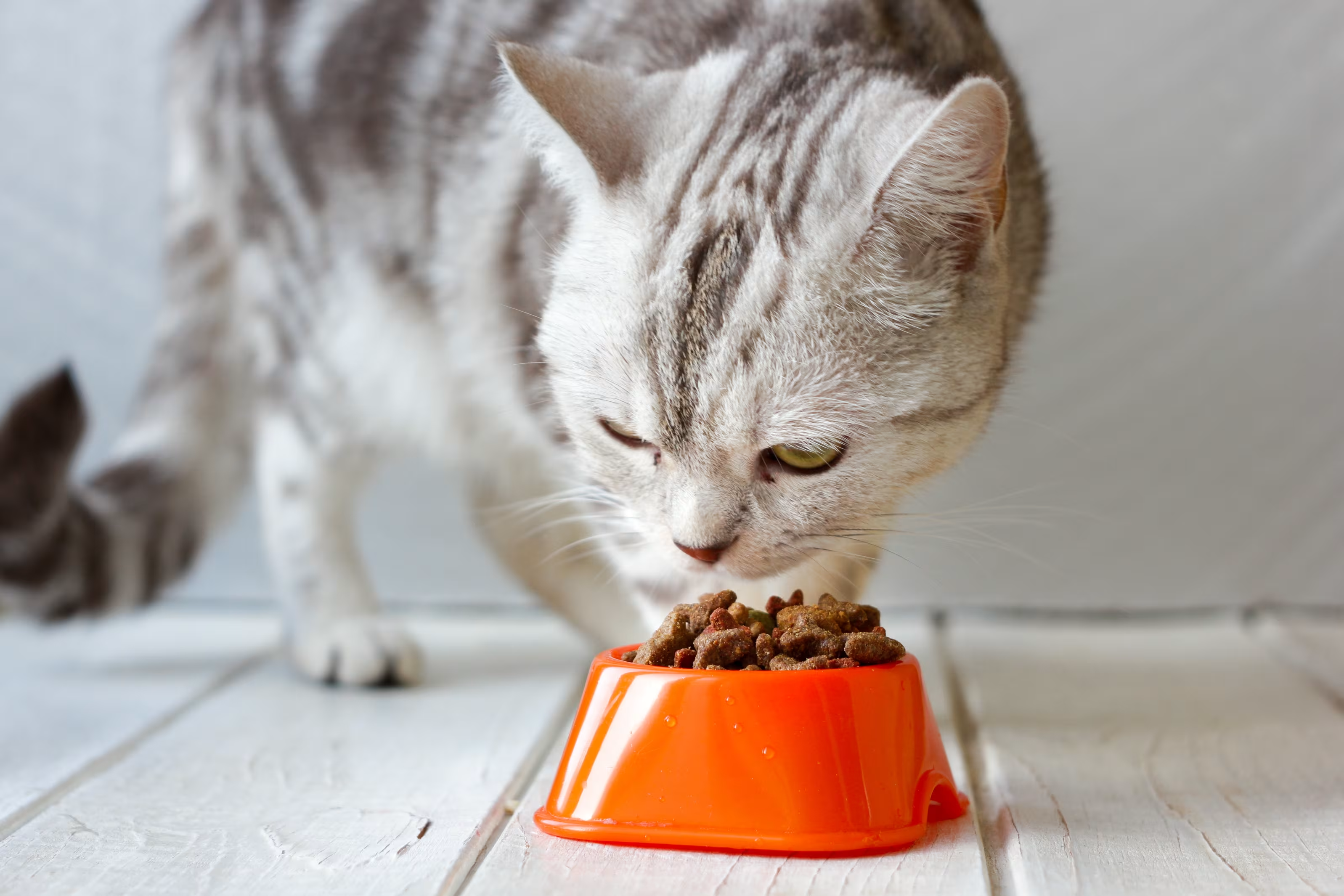
High protein cat food is built around the fact that cats are obligate carnivores, meaning they require animal-based protein to thrive. These formulas prioritize real meat, poultry, or fish as the primary ingredient and deliver a higher percentage of protein compared to standard cat food. A protein-rich diet promotes lean muscle mass, supports energy levels, and aligns with your cat’s natural nutritional needs.
What to look for on the label:
- Named meat first: chicken, turkey, salmon, duck, or beef as the first ingredient
- High crude protein percentage: many high protein cat foods contain 40% or more protein on a dry matter basis
- Low carbohydrate content: fewer grains and starches mean more of the calories come from protein
- No meat by-product meals as the sole protein source
Which Cats Benefit Most from High Protein Formulas?
Active cats, younger adult cats, and cats who tend to lose muscle mass as they age may all benefit from a higher protein diet. Cats who are recovering from illness or surgery often need extra protein to support tissue repair. Some veterinarians also recommend high protein, low carbohydrate diets for cats managing diabetes or obesity.
High protein cat food is available in several formats:
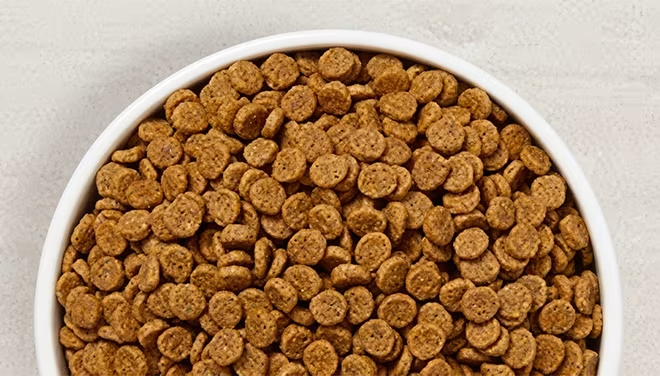
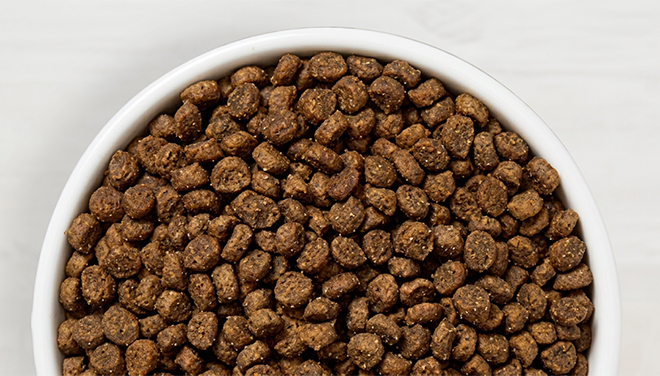
- Dry kibble: convenient and shelf-stable with concentrated protein content
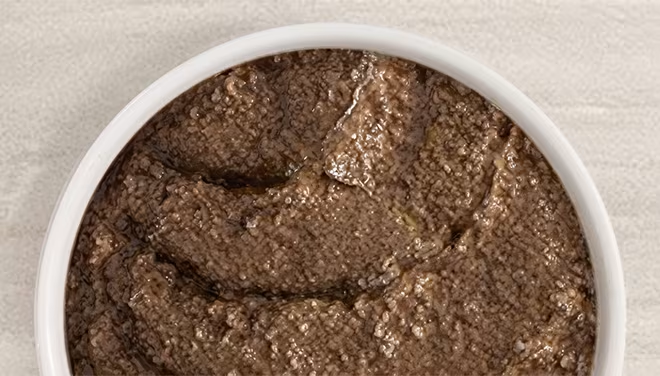
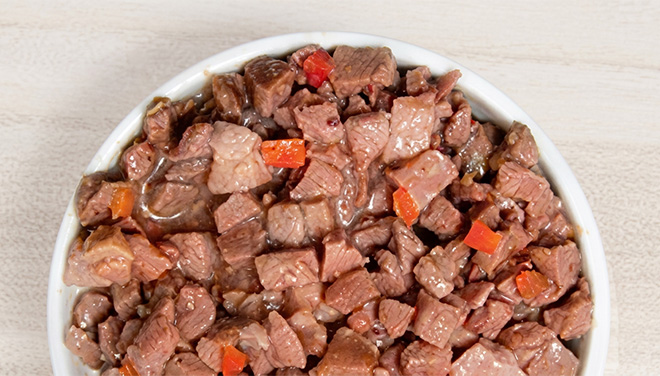
- Wet pate or chunky: higher moisture content combined with a protein-first ingredient list
- Freeze-dried or raw: minimally processed options with naturally high protein levels
- Toppers: protein-rich additions you mix into your cat’s current food
Frequently Asked Questions
-
Most healthy adult cats do well on a high protein diet since it mirrors their natural nutritional needs. Cats with certain kidney conditions may need a moderate protein formula instead. Check with your vet before switching if your cat has an existing health condition.
-
There is no single required percentage, but many veterinarians and nutritionists suggest that cats do well when protein accounts for at least 30 to 40% of their diet on a dry matter basis. High protein formulas often exceed 40%. Compare labels and look for animal-based proteins rather than plant-derived protein fillers.
-
Crude protein is the total protein percentage listed on the label. Digestible protein refers to how much of that protein your cat’s body can actually absorb and use. Food with 40% crude protein from low-quality sources may deliver less usable nutrition than one with 35% crude protein from high-quality animal ingredients. Look for named meat sources rather than vague protein concentrates.