


Two Easy Ways to Start Earning Rewards!
Become a member today! Members-only pricing and offers, personalized care notifications, Vital Care points back on every purchase and more!
 Become a credit card member today!
Earn 2X Pals Rewards points at Petco
when you use Petco Pay!APPLY NOWLearn More About Petco Pay Benefits

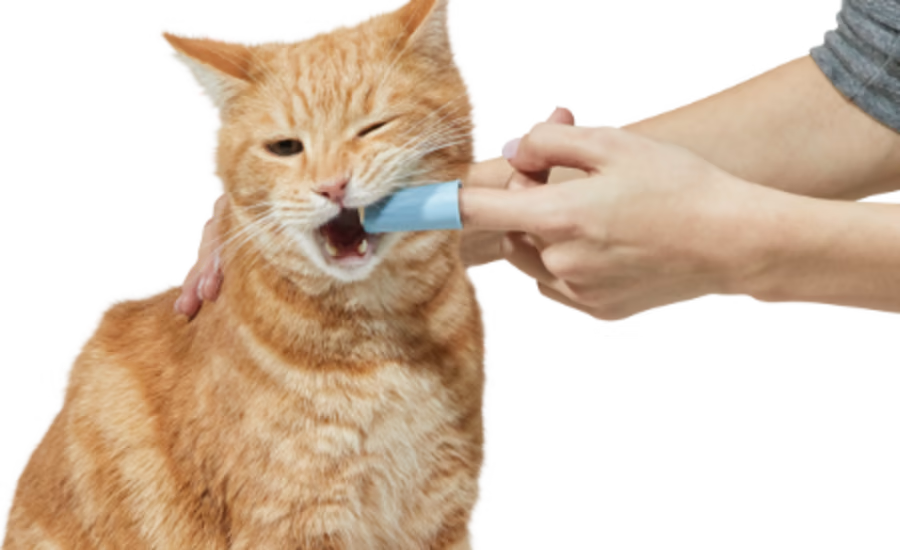
Table of Contents
Your pet’s dental routine is about more than just battling bad breath. Dogs and cats need a good dental routine that properly cares for their teeth and gums to help prevent serious health problems, gum infections and dental disease.
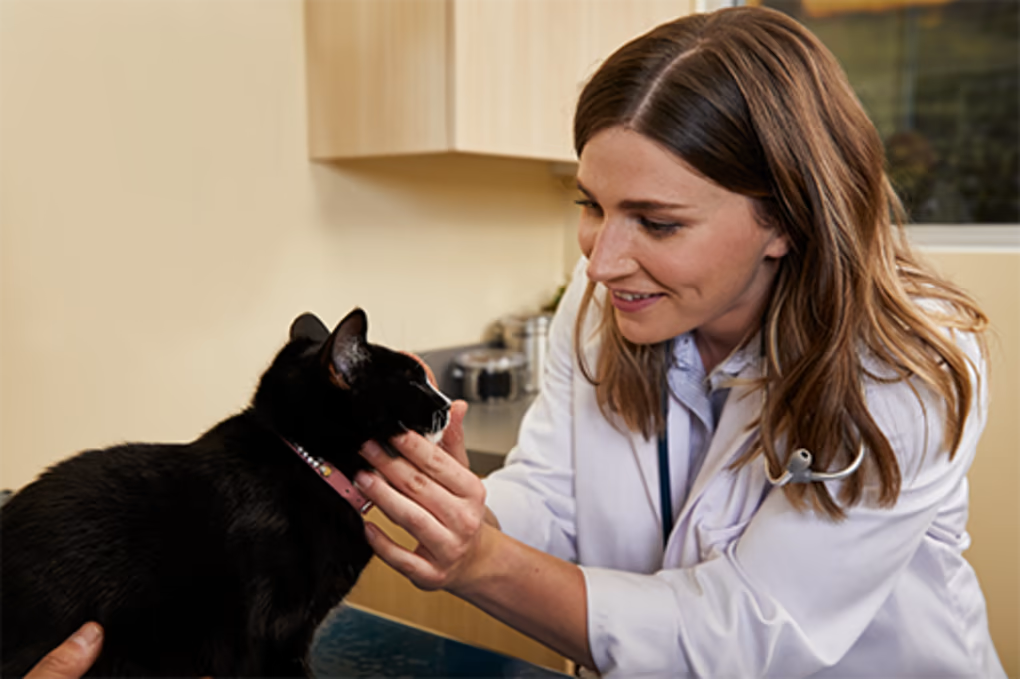
Petco’s veterinary services include dental exams with X-rays and routine teeth cleanings to remove plaque and tartar buildup. Look up local Petco Pet Care Centers offering vet services and book your appointment today.
Why do cats and dogs need teeth cleanings?
Dogs and cats use their mouths for more than just consuming food. Their mouths are crucial for social, protective and enrichment activities. They use them to show affection through licking, grooming themselves and one another, caring for their young, protecting themselves, picking up and playing with objects, showing curiosity and vocalizing with a distinctive bark or meow.
Our pets’ mouths are excellent at communicating with their environment and with us—and they also speak volumes about their physical health.
With so much interaction happening between our pets’ mouths and the world around them, dog and cat teeth cleaning is paramount for their well-being. Routine visits for professional cleanings and at-home dental hygiene are crucial to help stave off primary and secondary infections that can arise from insufficient care.
How can I make teeth cleaning easier for my pets?
Here are a few things you can do before and after their appointment:
Teeth-brushing: Brushing your pet’s teeth regularly will help them maintain a healthy mouth between visits to the vet. Normalizing frequent dental care can also help ease your pet’s anxiety about teeth cleaning. Pet-safe toothbrushes and toothpastes can help make at-home teeth-brushing easier for you and more appealing for your pet.
Dental hygiene foods and treats: Certain pet foods and treats are formulated to help reduce plaque and tartar, which is a win-win for you and your pet. Some snacks have a secret dual function as supplements that support oral health. And your Petco vet may recommend special soft foods after a teeth cleaning appointment, particularly if any tooth extractions or surgery have been done.
Teeth cleaning toys and chews: Dogs in particular benefit from dental chew toys and bones designed to help scrape plaque from their teeth. You can also find cat chew toys that may help keep your kitty’s teeth cleaner.
Overall, the best thing you can do to help make teeth cleaning simple for both you and your cat or dog is to get into a comfortable at-home teeth cleaning routine with your pet and schedule regular checkups and teeth cleaning services with Petco. The more often you clean your pet’s teeth, the less scary the process of dental care will become for them—and the more likely you are to curb dental problems before they become serious.
FAQs About Dog Teeth Cleaning
Good dental hygiene is crucial for your dog’s well-being. Dog dental care isn’t an extra—it’s a necessity for a thriving, happy pet. Tartar and gingivitis can lead to periodontal disease, and it’s just as crucial for your dog’s mouth to stay in good condition as it is for yours.
You take care of your mouth by practicing good hygiene at home and going for periodic visits to the dentist, and that’s exactly what your dog needs, too. Establish a solid at-home care regimen using dog teeth cleaning products specially formulated to be effective and user-friendly. And periodically take your dog to a Petco vet to perform an in-depth cleaning to help remove tartar and avoid the spread of gingivitis.
Pet teeth cleaning doesn’t just affect your dog cosmetically. Untreated dental diseases can have far-reaching and long-lasting consequences for your dog, leading to secondary infections in their nasal cavity, brain, liver, heart or kidneys.
Any pet parent who’s tried to take an off-limits item out of a naughty pup’s jaws knows that it’s not always easy to get a good look deep inside a dog’s mouth. It’s vital to let a professional do a thorough examination to look for any problem areas.
Adult dogs should get their teeth professionally cleaned at least once a year, and some breeds may need a vet cleaning more frequently. Smaller dogs tend to have more issues with teeth crowding, which can lead to an increased risk of gum disease. If you’re unsure, you can ask your Petco vet how often a dog teeth cleaning should be.
At home in-between professional dental visits, it’s best to make a routine of brushing your dog’s teeth 2-3 times a week—if not daily—using a dog toothpaste and toothbrush.
While it’s generally recommended to wait until your pet is an adult to start bringing them in for their routine teeth cleaning, you can—and should—introduce your puppy to good oral hygiene at home. Brushing your kitten or puppy’s teeth will help them become accustomed to their teeth being cleaned from an early age, which will help make adult pet teeth cleaning much easier. It can also help prevent periodontal disease before it starts.
No matter how frequently you bring your pet in for a teeth cleaning, it’s a good idea to pay attention to the following symptoms in your pet, as they may be indicators of a dental disease:
- Extra stinky breath Dogs aren’t known for having particularly sweet breath, but if your dog’s mouth seems smellier than usual, it could be a sign of infection or dental decay.
- Weight loss or food aversion If your dog’s teeth and gums are sore, eating may be painful. Avoidance of food and subsequent weight loss might indicate that your dog’s mouth hurts too much to eat.
- Discolored teeth If your dog’s teeth and gums are sore, eating may be painful. Avoidance of food and subsequent weight loss might indicate that your dog’s mouth hurts too much to eat.
- Nasal discharge Advanced periodontal disease can sometimes cause an oronasal fistula—a connection between your dog’s mouth and nasal cavity. A frequently runny nose could be an indication of disease.
- Loose teeth If any of your dog’s teeth feel loose or wiggly, it’s time to go to the vet.
- Inflamed gums Gums that are swollen, red or bleeding can be a sign of a mouth injury or of dental disease.
Once your dog is done getting their teeth cleaned and examined, your Petco vet may have specific care instructions for you to follow, especially if a tooth extraction or surgical procedure has been performed. Even after a routine cleaning, it’s not unusual for dogs to behave a little differently for a while. Don’t be surprised if your dog needs some extra love due to the following:
- Grogginess Dogs are usually given anesthesia to help facilitate a smooth and thorough teeth cleaning, so don’t be surprised if your pup’s energy is a bit low when the appointment is over.
- Soreness Your dog’s mouth is likely to be tender after a teeth cleaning visit, so don’t worry if your dog doesn’t want to chew on toys right away.
- Drooling That sore mouth can sometimes lead to a temporary increase in drooling.
- Special foods If your dog’s gums are feeling tender, they might not want to eat crunchy kibbles right after a teeth cleaning. And if your dog had any type of oral surgery during the teeth cleaning, you’ll want to feed them soft, wet food for at least a week or feed them according to your Petco vet’s recommendation. They may also recommend special supplements or dog teeth cleaning treats to help reduce plaque buildup until the next teeth cleaning appointment.
FAQs About Cat Teeth Cleaning
Cat teeth cleaning is just as important as teeth cleaning for humans. Plaque and gingivitis are common in felines, and in addition to being irritating on their own, they can lead to other, more serious health complications. Bad breath, the inability to eat and visual changes in the teeth and gums can all be signs that your cat needs immediate dental care. But many problems can be stopped before they become severe through routine cat teeth cleanings. It’s important to book an annual dental cleaning for your cat to help prevent infection and treat any issues that may already exist.
Some cats are stoic animals and may not show signs of discomfort even when in significant pain, so it’s especially important to practice preventive cat dental care at home in-between cleanings.
In addition to your cat’s annual teeth cleaning, it’s a good idea to reduce your cat’s risk of tartar buildup and infection using cat teeth cleaning treats and tools like toothbrushes and toothpaste for cats. This will help ensure that your cat’s mouth is in the best possible shape. Petco’s cat teeth cleaning products can help make it easier to keep your kitty feeling comfortable and ready to smile.
The primary risk for cats in getting their teeth professionally cleaned is the fact that they will often need to be under anesthesia for the cleaning. Anesthesia is not usually dangerous for young and healthy cats; however, it can be risky for senior cats and cats with certain health conditions.
In most cases, the risk of a serious health condition resulting from inadequate dental care outweighs the risk presented by anesthesia. It’s important to remember that the price of an annual teeth cleaning for your cat is far less expensive than the price of a surgical procedure to address dental issues resulting from poor dental hygiene. Preventive care at home and an annual cat teeth cleaning are the healthiest and most affordable choices in the long term.
If you’re concerned about the safety of anesthesia for your cat, talk to your Petco veterinarian. And you can help decrease the frequency of necessary dental appointments by diligently taking care of your cat’s teeth at home.
FAQs About Pet Dental Cleanings
Just like their pet parents, cats and dogs need to maintain good dental hygiene at home and go in for regular professional cleanings. Dental care isn’t an extra—it’s a necessity for a thriving, happy pet.
Establish a solid at-home care regimen using teeth cleaning products specially formulated for your dog or cat. You’ll also need to make appointments for them to visit their Petco vet for an annual in-depth cleaning to help remove tartar buildup and prevent the spread of gingivitis. Untreated dental diseases can have far-reaching, long-lasting consequences for your pet, including secondary infections in their nasal cavity, brain, liver, heart and kidneys.
Any pet parent who has tried to take an off-limits item out of a naughty pet’s jaws knows that it’s not always easy to get a good look at their mouths. That’s why it’s vital to let a vet conduct a thorough examination to look for problem areas.
Adult dogs and cats should get their teeth professionally cleaned by their vet at least once a year. Some pets, however, may require more frequent cleanings. Smaller dogs tend to have more issues with teeth crowding, for example, which can lead to an increased risk of gum disease. Ask your vet what they recommend for your particular pet.
Between professional dental visits, make it a habit to brush your pet’s teeth two to three times a week—if not daily—using a dog or cat toothpaste and toothbrush.
While it’s generally recommended to wait until your pet is an adult to start bringing them in for their routine teeth cleaning, you can—and should—introduce your puppy or kitten to good oral hygiene at home. Brushing their teeth from an early age will help them get used to having their mouths handled, which can help make teeth cleaning easier throughout their lives. It can also help prevent periodontal disease before it starts.
No matter how frequently you bring your pet in for a teeth cleaning, be on the lookout for the following symptoms, as they can be indicators of a dental disease:
- Extra- stinky breath Dogs and cats aren’t known for having particularly sweet breath, but if your pet’s mouth seems smellier than usual, it could be a sign of infection or dental decay.
- Weight loss or food aversion If your pet’s teeth and gums are sore, eating may be painful. Avoidance of food and subsequent weight loss might indicate that your pet’s mouth hurts too much to eat.
- Discolored teeth Yellowish and brownish teeth can indicate a range of issues from excessive plaque buildup to a dead or infected tooth.
- Nasal discharge Advanced periodontal disease can sometimes cause an oronasal fistula—a connection between your pet’s mouth and their nasal cavity. A frequently runny nose can also be a sign of disease.
- Loose teeth Advanced periodontal disease can sometimes cause an oronasal fistula—a connection between your pet’s mouth and their nasal cavity. A frequently runny nose can also be a sign of disease.
- Inflamed gums Gums that are swollen, red or bleeding can indicate a mouth injury or dental disease.
Once your pet is done having their teeth cleaned and examined, your Petco vet may have specific care instructions for you to follow, especially if a tooth extraction or surgical procedure has been performed. Even after a routine cleaning, it’s not unusual for dogs and cats to behave a little differently for a while. Don’t be surprised if they need some extra love due to the following:
- Extra- stinky breath Dogs and cats aren’t known for having particularly sweet breath, but if your pet’s mouth seems smellier than usual, it could be a sign of infection or dental decay.
- Grogginess Dogs and cats are usually given anesthesia to help facilitate a smooth and thorough teeth cleaning, so don’t be surprised if their energy is a bit low when the appointment is over.
- Soreness Your pet’s mouth is likely to be tender after a teeth cleaning, so don’t worry if they take a break from chewing on their favorite toys.
- Drooling That sore mouth can sometimes lead to a temporary increase in drooling.
- Special foods If their gums are feeling tender after a teeth cleaning, your dog or cat might not want to eat crunchy kibble immediately afterward. And if your pet had any type of oral surgery during their visit, you’ll need to feed them soft, wet food for at least a week. Ask your Petco vet for post-surgical care instructions. Your vet may also recommend special supplements or dog or cat dental treats to help reduce plaque buildup between appointments.
The primary risk for pets during dental exams is the fact that they will often need to be under anesthesia for the cleaning. Anesthesia is not usually dangerous for young and healthy pets; however, it can be risky for senior pets and pets with certain health conditions.
In most cases, the risk of a serious health condition resulting from inadequate dental care outweighs the risk presented by anesthesia. It’s important to remember that the price of an annual teeth cleaning is far less than the price of a surgical procedure to address dental issues resulting from poor dental hygiene. Preventive care at home and an annual teeth cleaning are the healthiest and most affordable choices in the long term.
If you’re concerned about the safety of anesthesia for your pet, talk to your Petco veterinarian. And you can help decrease the frequency of necessary dental appointments by diligently taking care of your pet’s teeth at home.