Two Easy Ways to Start Earning Rewards!
Earn 2X Pals Rewards points at Petco
when you use Petco Pay!
Get It Today
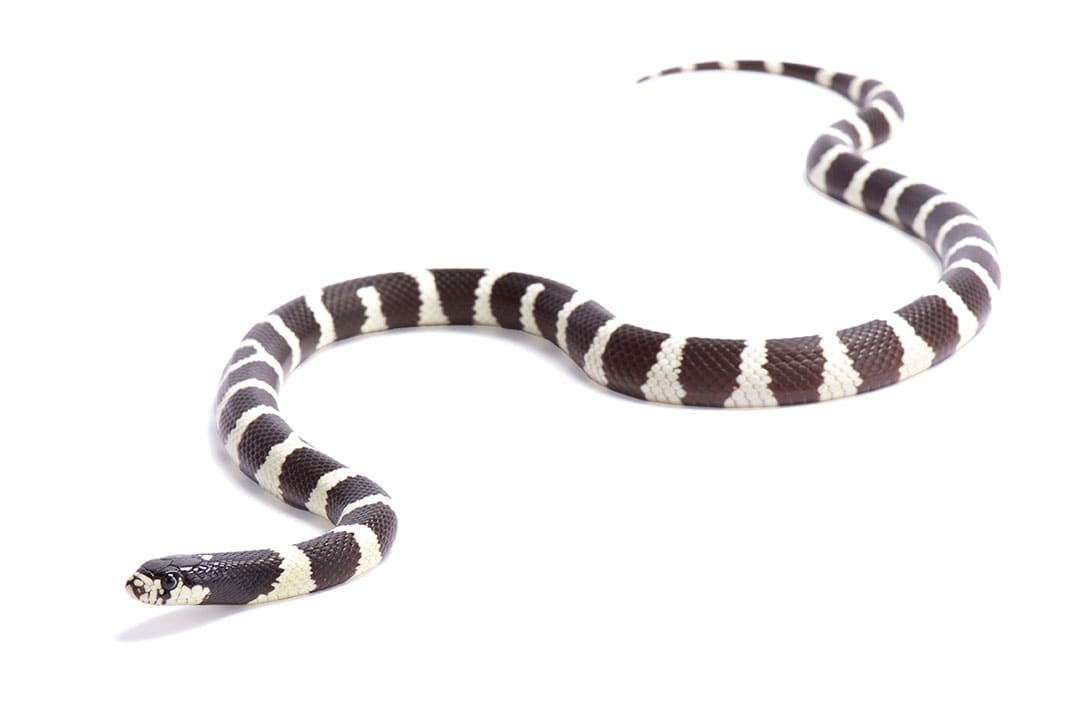
Learn how to take care of King Snakes, recommended diet and habitat. Find the right food, supplies and equipment at your neighborhood Petco.
Updated on October 23rd, 2025
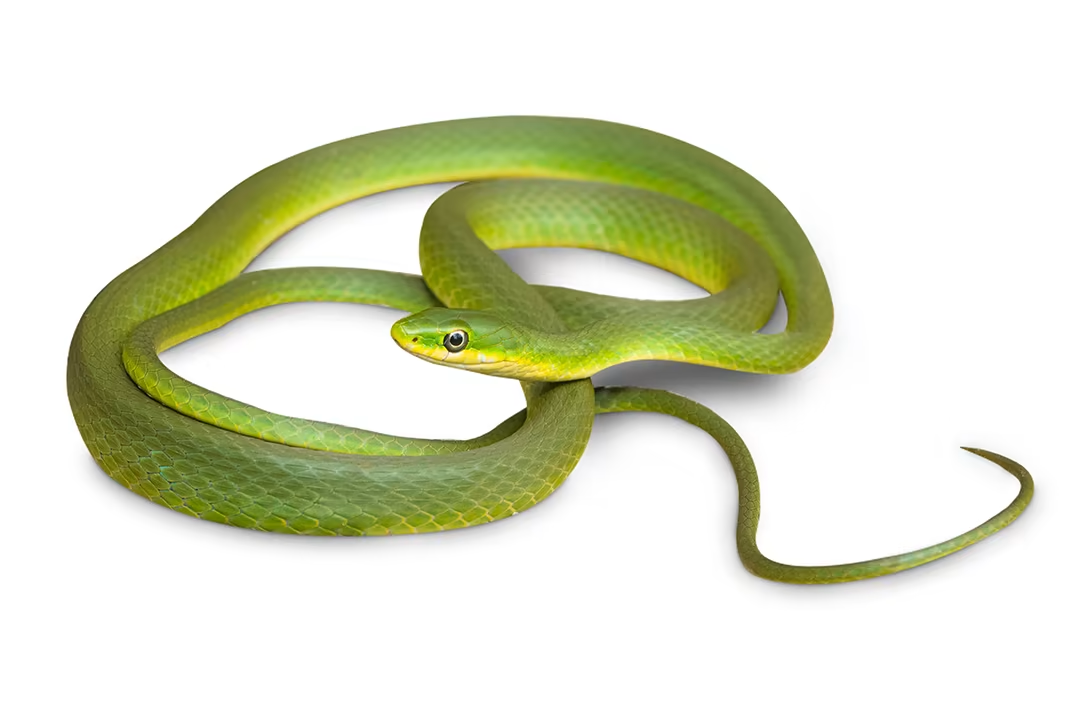
Learn how to take care of Rough Green Snakes, recommended diet and habitat. Find the right food, supplies and equipment at your neighborhood Petco.
Updated on October 23rd, 2025
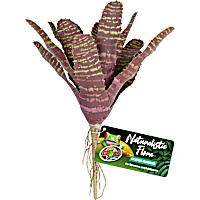
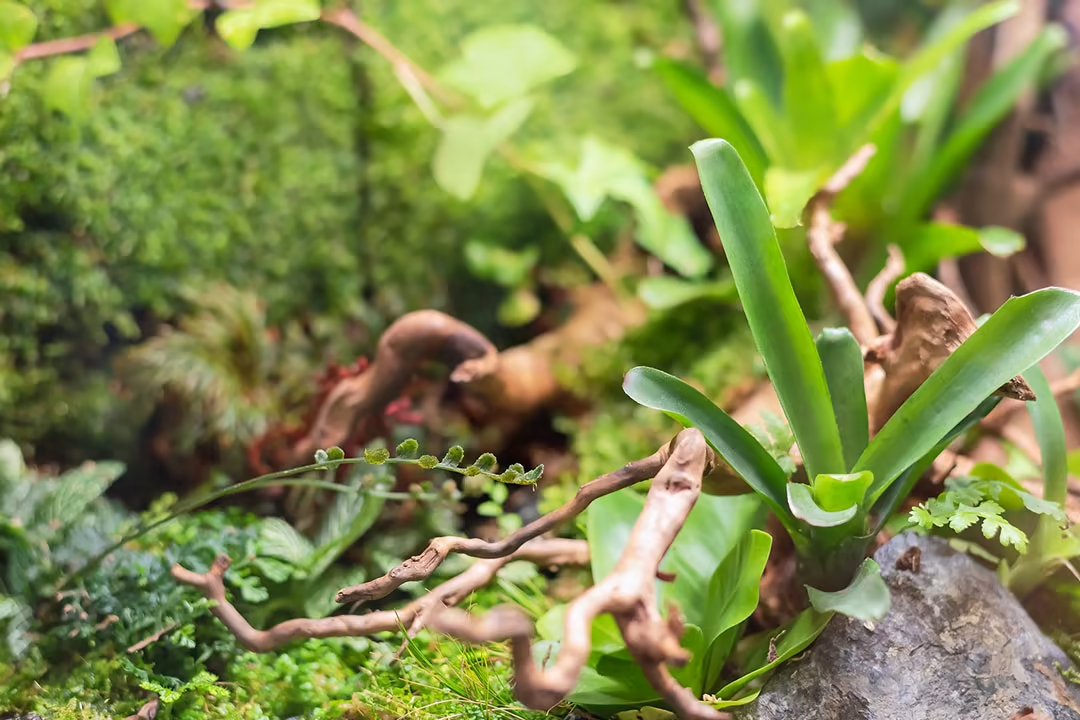
Tropical and desert terrarium plants are not only beneficial to terrestrial environments, but they also bring a more natural appearance to your reptile’s habitat.
Updated on October 23rd, 2025
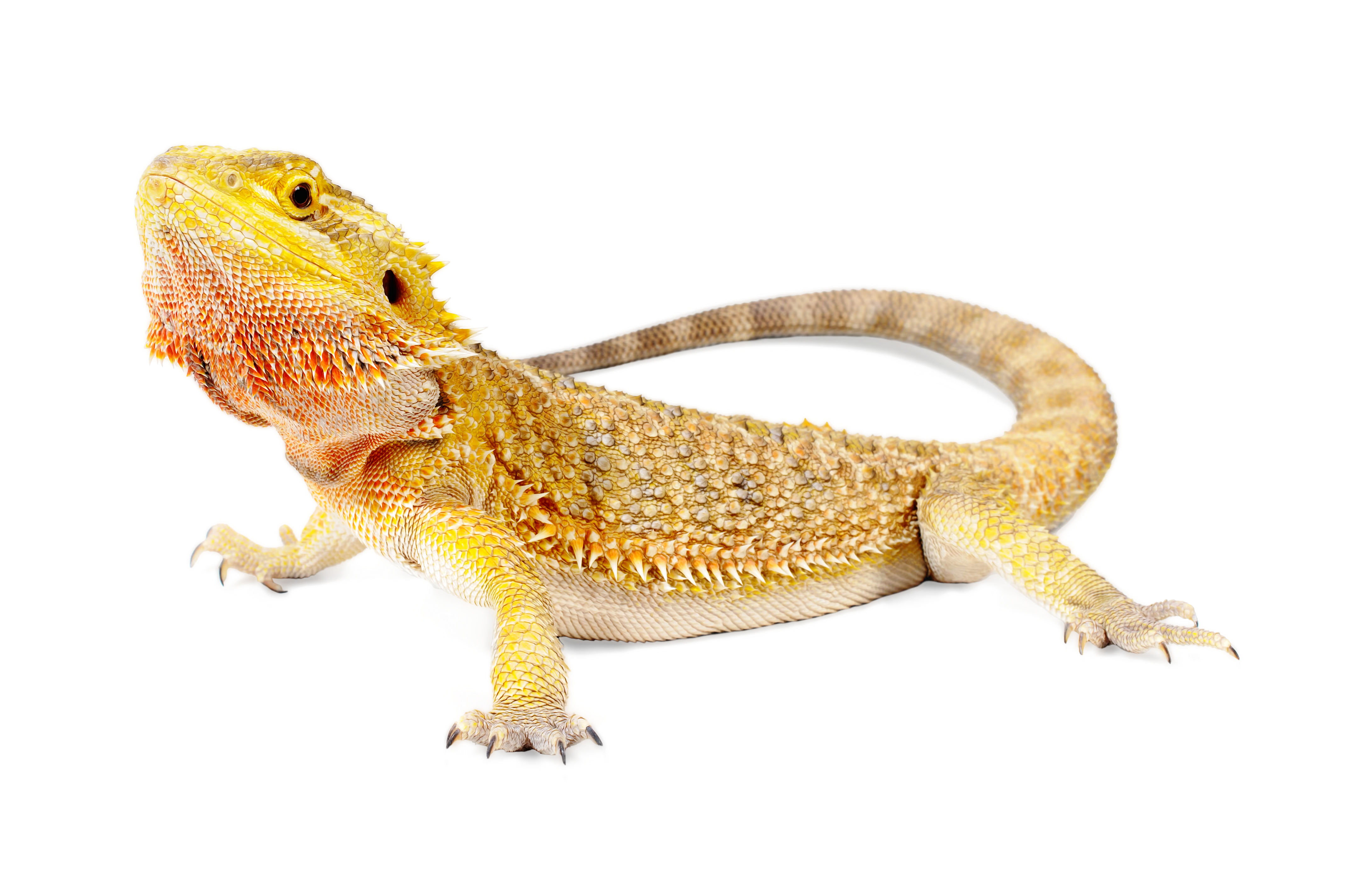
Learn how to care for arid lizards, recommended diet & habitat setup. Find the right food, supplies & equipment at your neighborhood Petco.
Updated on October 23rd, 2025
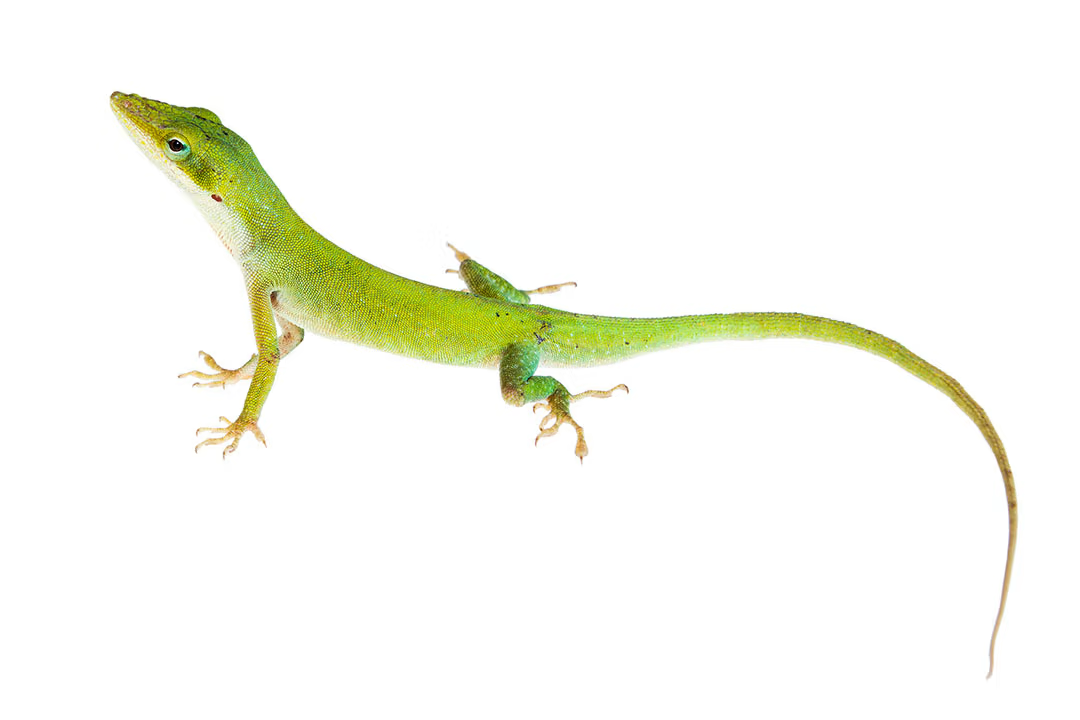
Learn how to take care of Green & Bahama Anoles, recommended diet and tank size. Find the right food, supplies and equipment at your neighborhood Petco.
Updated on December 21st, 2025
Ideally, the UVB light source should run the entire length of the tank. A thermometer/hygrometer should be on each end of the tank to confirm cool and warm sides. Use a digital thermometer to verify temps. Those little ones you have can be inaccurate. Provide a hide on both sides as well. Personally, I would remove the fake grass as it has the potential to cause eye injuries. Your tank looks good otherwise.
Updated on September 24th, 2025
Use a background to block his view. This may prevent glass surfing or nose rubbing as well as provide more privacy/security. Again, check the temps in his enclosure to make sure it is species appropriate. Offer a variety of crickets, mealworms, dubia roaches, silkworms and wax worms. Gut load prey for 24 hours prior to offering. Dust appropriately with vitamins and minerals regularly. He may also benefit from a soak in a warm 50/50 solution of water and unflavored PediaLyte. If his appetite does not return after adjustments to environment and diet, have him examined by your veterinarian or a vet experienced in treating reptiles. Submit a stool sample to diagnose intestinal parasites or bacterial overgrowth.
Updated on September 24th, 2025
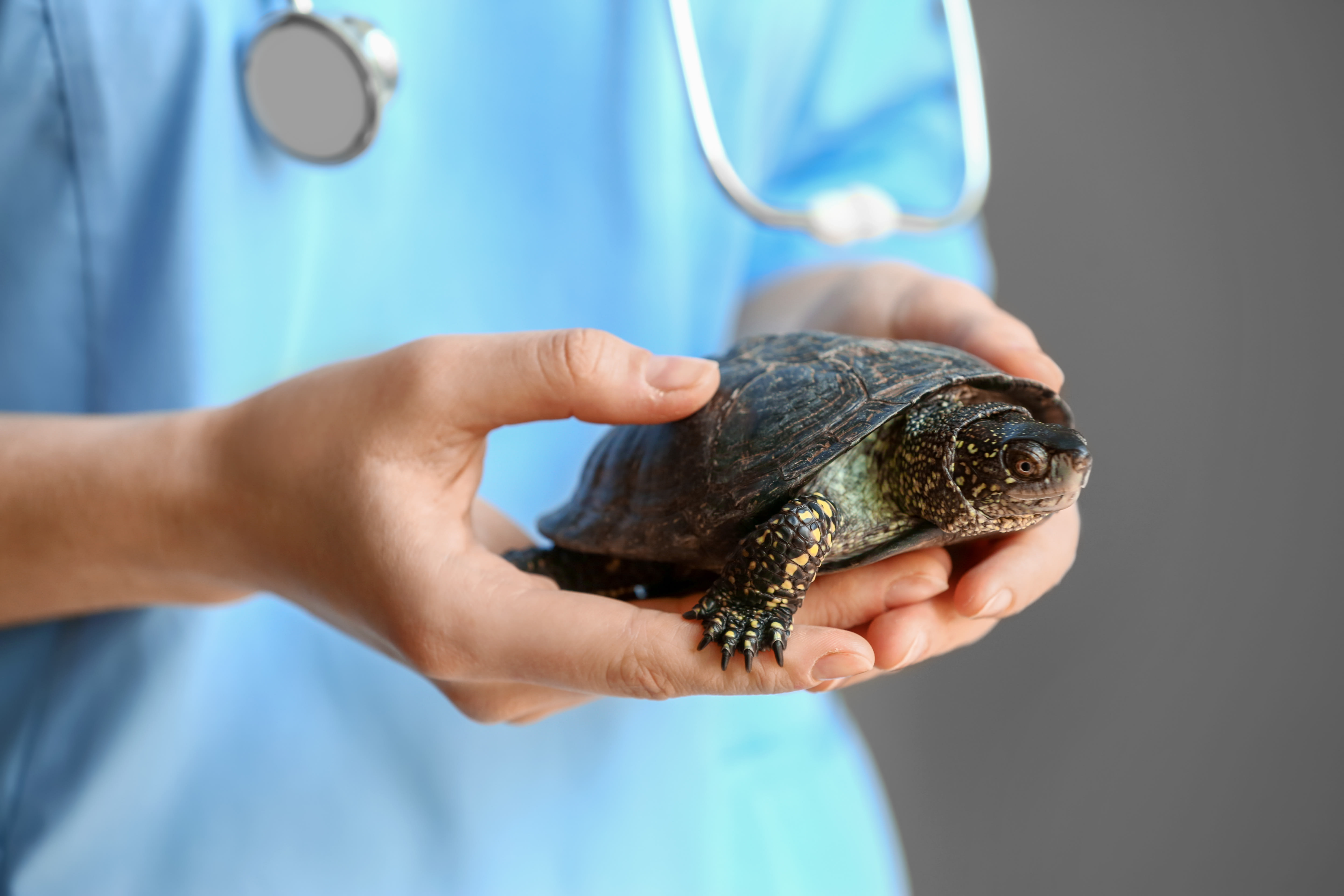
What you have appears to be an aquatic/semi-aquatic species of turtle. Basic requirements include a tank of at least 10 gallons initially, a water heater, a water filter, a basking area out of the water, a heat lamp and a UVB light source.
Updated on September 24th, 2025
Possibilities include infection, parasites, burns or trauma (from a fall or bedding). Changing out the bedding was a smart move. Take it a step further and remove all cage furniture in case Erebus is climbing then falling. Confirm proper temperature and if you have a heat rock, remove it immediately. An exam with your veterinarian or a vet experienced in treating reptiles would be recommended to diagnose illness or injury.
Updated on September 24th, 2025
An acceptable substrate would be river rocks or large gravel. Anything smaller could potentially be ingested causing an impaction or obstruction. You could also leave the bottom bare. The basking area doesn't necessarily need substrate. A ramp out of the water leading to a simple platform is acceptable.
Updated on September 24th, 2025