Two Easy Ways to Start Earning Rewards!
Become a member today! Members-only pricing and offers, personalized care notifications, Vital Care points back on every purchase and more!
 Become a credit card member today!
Earn 2X Pals Rewards points at Petco
when you use Petco Pay!APPLY NOWLearn More About Petco Pay Benefits
Zoo Med Aquarium Kits 40 to 54 Gallons
Get It Today



Related Articles & Questions
- Home & Habitat
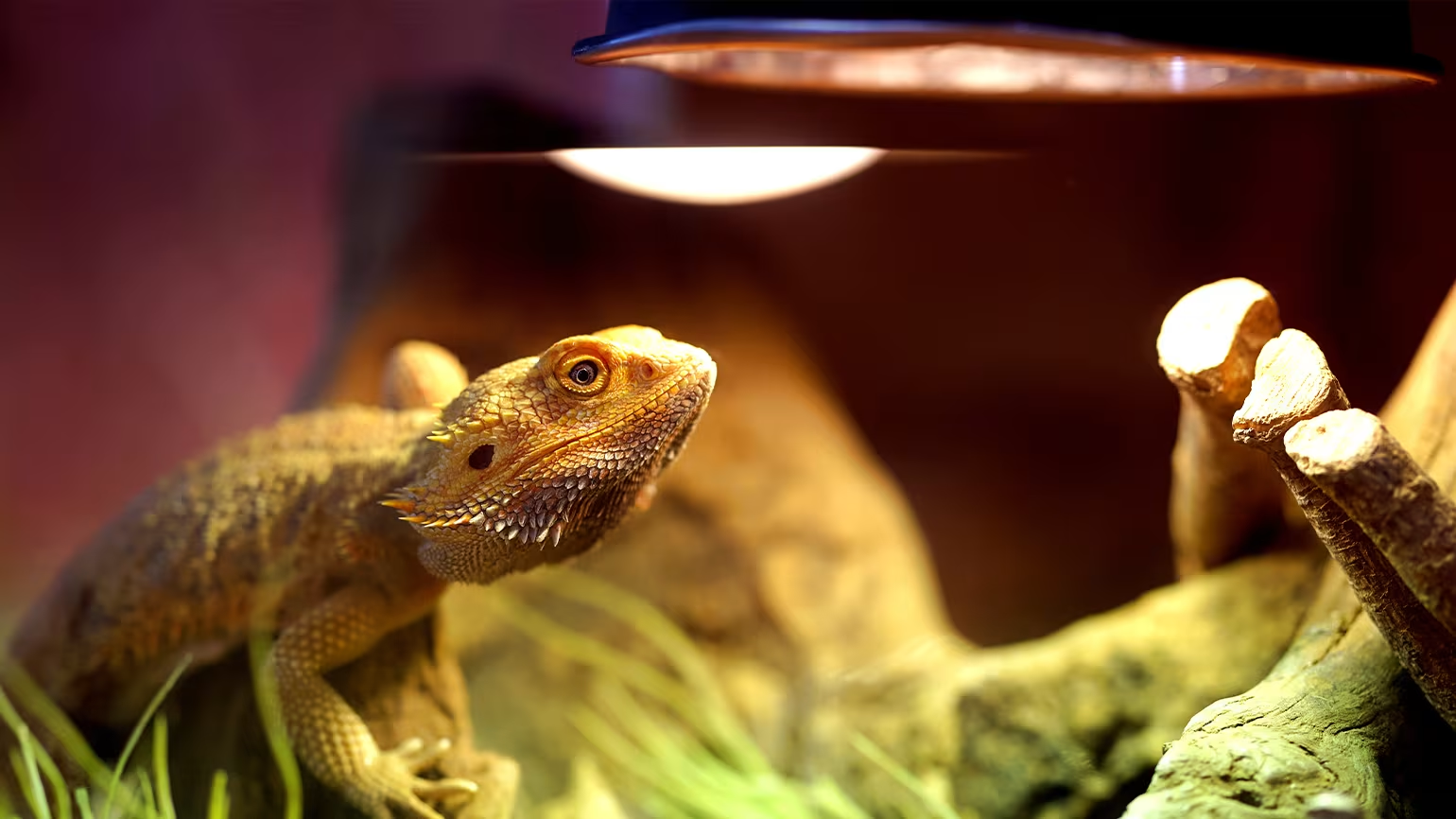
Reptile UVB Light Guide: What Every Pet Parent Needs to Know
Learn the importance of UVB light for your reptiles and the right reptile lights for your pet’s habitat.
Updated on July 17th, 2026
- Care Sheets
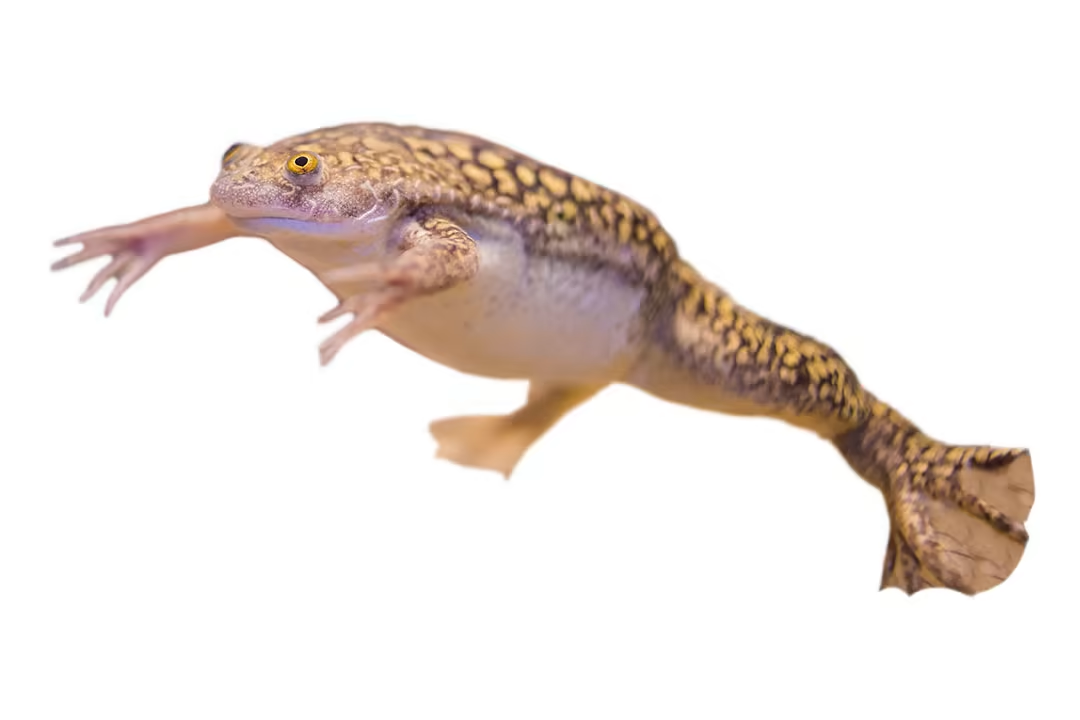
Freshwater Amphibian Care: Ultimate Tank, Food & Habitat Guide
Learn how to care for Freshwater Amphibians, recommended diet and habitat setup. Find the right food, supplies and equipment at your neighborhood Petco.
Updated on April 9th, 2026
- Care Sheets
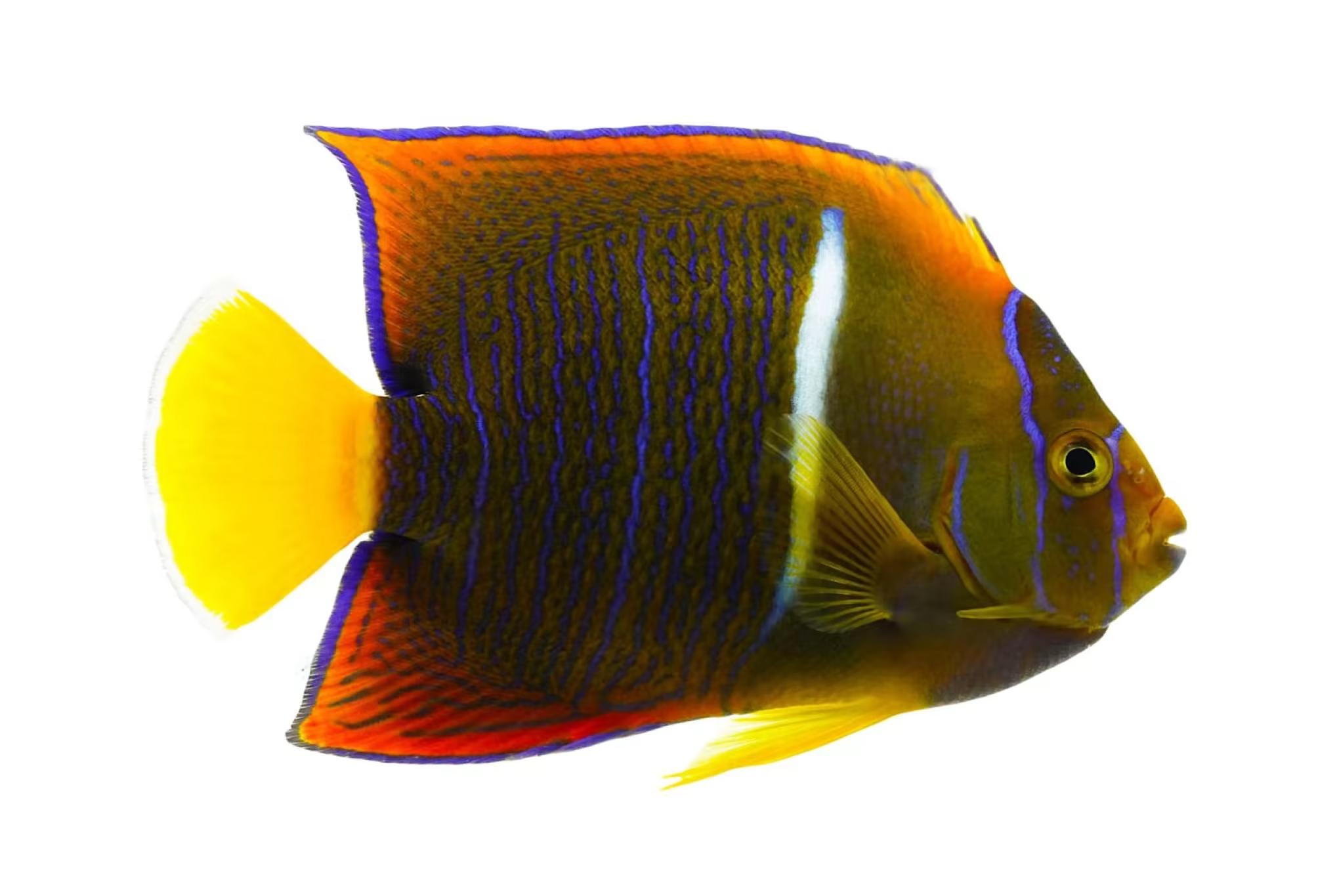
Essential Large Marine Fish Care Guide: Tank Setup, Diet, & Tank Mates
Learn how to care for large marine fish, recommended diet and habitat setup. Find the right food, supplies and equipment at your neighborhood Petco.
Updated on April 9th, 2026
- Care Sheets
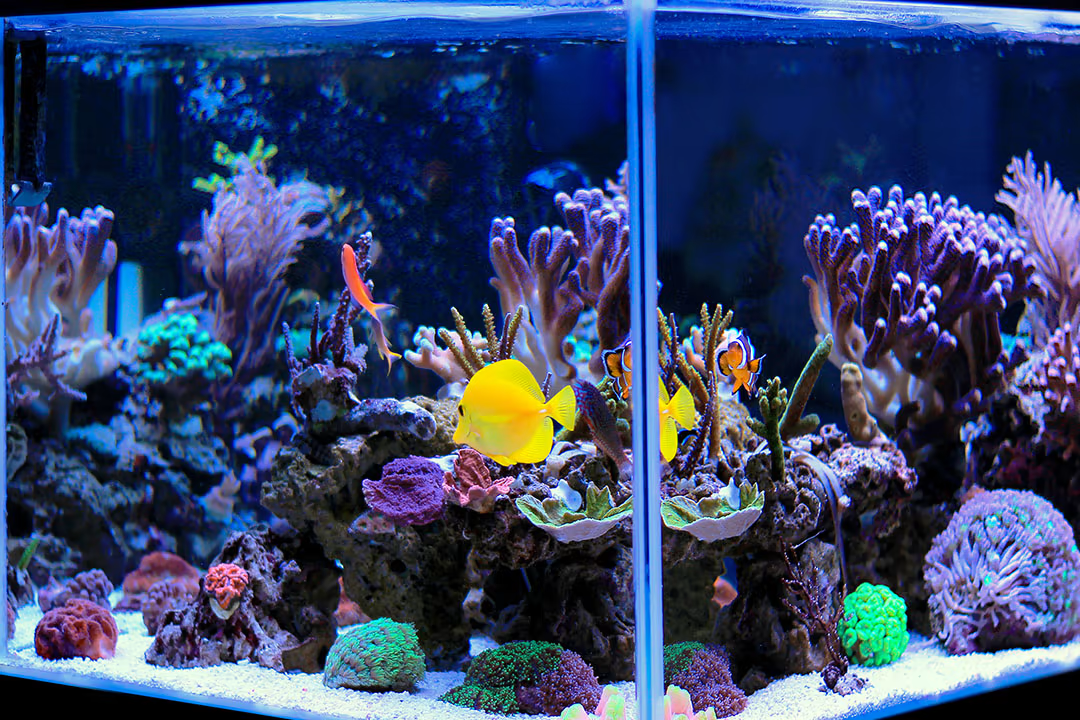
Build Your Thriving Saltwater Tank: Easy Setup for Marine Life
Learn how to set up a saltwater fish tank and key considerations regarding placement, supplies needed, and the overall set up process.
Updated on October 23rd, 2025
- Care Sheets
Freshwater Aquarium Setup: A Step-by-Step Guide for Beginners
Learn how to set up a freshwater fish tank and key considerations regarding placement, supplies needed, and the set up process.
Updated on October 23rd, 2025
- Food & Nutrition
What's the minimum housing setup for a small red-eared slider turtle?
Thanks for reaching out about Shelley. Starting with a good website such as the San Diego Turtle & Tortoise Society (instead of just copying it to here). At the minimum, a 30-40 gallon aquarium. Set up for a haul out area under a basking site. The basking site should reach 90+ degrees and also include ultraviolet B radiation (special bulb). Food can consist of turtle pellets (purchased in small quantities, used in 3 months, with the remainder thrown away). Fresh chopped vegetables can also be offered but it usually takes a while for turtles to accept it as food. Testing water quality and cleaning regularly. Good luck.
Updated on September 24th, 2025
- Vet Q & A
How to identify my black fish and what do they need for their tank?
As for what kind of tank you will need: Basically a square fish tank, do not get a bowl. You will likely need a heater and an air pump, and a thermometer, It is easiest to by a complete kit at a pet shop. As for size of tank: The bigger is always the better....however a minimum size will be determined by the type of fish and their average size they will grow into, So once we know what type of fish you have and how many, we can tell you how big your tank needs to be and what type of "furniture" (rocks, plants, gravel) you will need.
Updated on September 24th, 2025
- Home & Habitat
How to set up a leopard gecko tank: Bedding, lighting, and heat?
A 10 gallon tank can be purchased in the local Petco for less than twenty dollars ( https://www.petco.com/shop/en/petcostore/product/fish/fish-aquariums-kits/aquariums-up-to-ten-gallons/aqueon-standard-glass-aquarium-tank-10-gallon ). It would be easier to keep and secure than a laundry hamper. Given the temps required for geckos, plastic may not be the best option either. You will need a a heat lamp for day use and maybe a heat source if nighttime temperatures drop below 70 F. You can use slate, reptile carpet, plain paper towels or a coconut fiber substrate. Review gecko care at the link below. http://www.reptilesmagazine.com/Care-Sheets/Lizards/Leopard-Gecko/
Updated on September 24th, 2025
- Training & Behavior
I just bought a Pearl Arowana. What care does my new fish need?
Arowanas need large tanks due to their size. They also require powerful filtration to maintain water quality. Water changes will also be critical to water quality since they produce a lot of wastes. Use only conditioned water that is temperature matched to prevent stress or shock. A home test kit should also be used to monitor water chemistry. Minimum tank size should be between 130 and 150 gallons. Adults will need larger tanks. Keep a cover in place as they are accomplished jumpers. They should be kept in "soft" water and, being tropical fish, maintain temps between 75 F and 86 F. Feed a varied and balanced diet including krill, shrimp, mealworms, nightcrawlers and feeder fish. Food can be fresh, frozen (thaw it first) or freeze dried. Lastly, these are aggressive fish, so tank mates must be chosen carefully, if at all.
Updated on September 24th, 2025
- Home & Habitat
What size tank for a baby ball python? Is 30 gallons too big?
That would be fine. A 30 to 40 gallon tank is recommended for most adult ball pythons. This will save time and money since a baby ball python will eventually outgrow a 20 gallon tank. I always recommend getting the largest tank your budget and space allow. Be sure to have a thermometer on each end as well as at the basking spot. A hide at each end would also be recommended.
Updated on September 24th, 2025