Two Easy Ways to Start Earning Rewards!
Become a member today! Members-only pricing and offers, personalized care notifications, Vital Care points back on every purchase and more!
 Become a credit card member today!
Earn 2X Pals Rewards points at Petco
when you use Petco Pay!APPLY NOWLearn More About Petco Pay Benefits
Zoo Med Aquariums, Kits & Stands
Get It Today




Related Articles & Questions
- Care Sheets
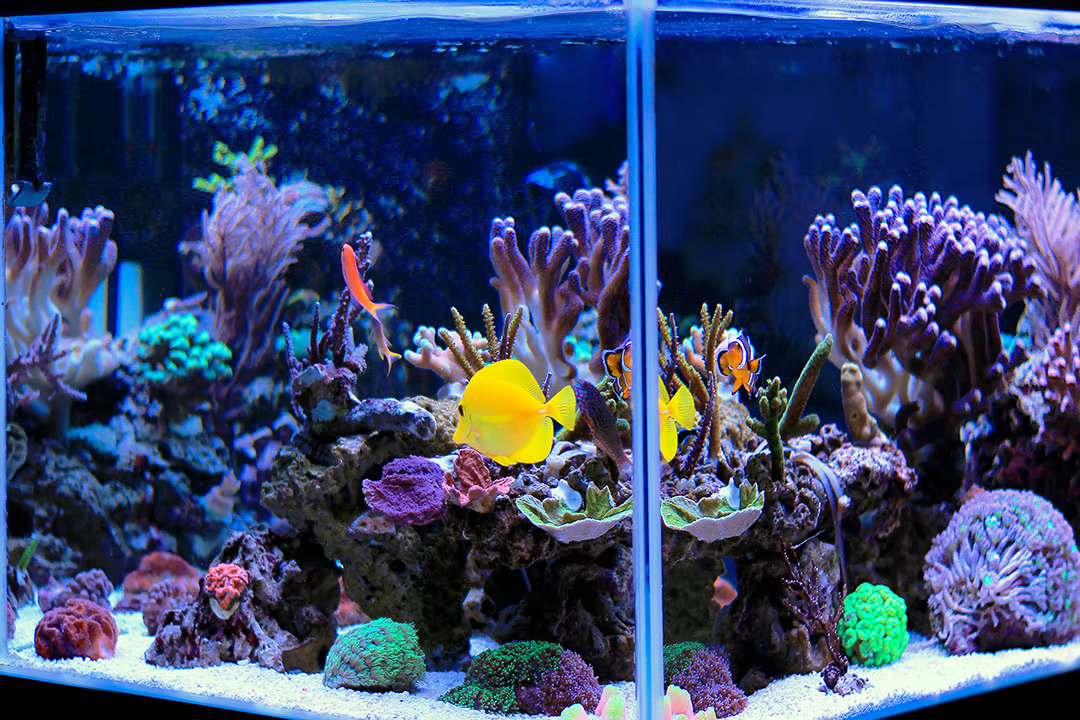
Build Your Thriving Saltwater Tank: Easy Setup for Marine Life
Learn how to set up a saltwater fish tank and key considerations regarding placement, supplies needed, and the overall set up process.
Updated on October 23rd, 2025
- Care Sheets
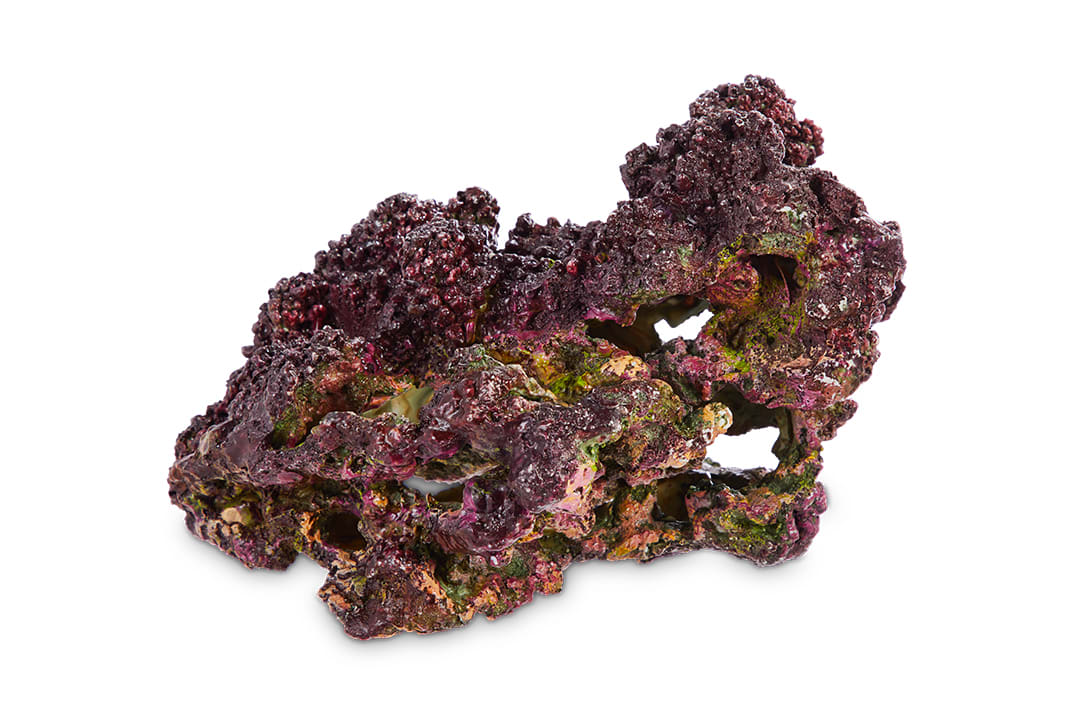
Live Rock & Sand: Setup, Curing, & Care for Thriving Reef Tanks
Learn how to care for live rock & sand. Live rock serves as a platform for coral and invertebrates and provides a surface for beneficial bacteria to live.
Updated on October 23rd, 2025
- Care Sheets
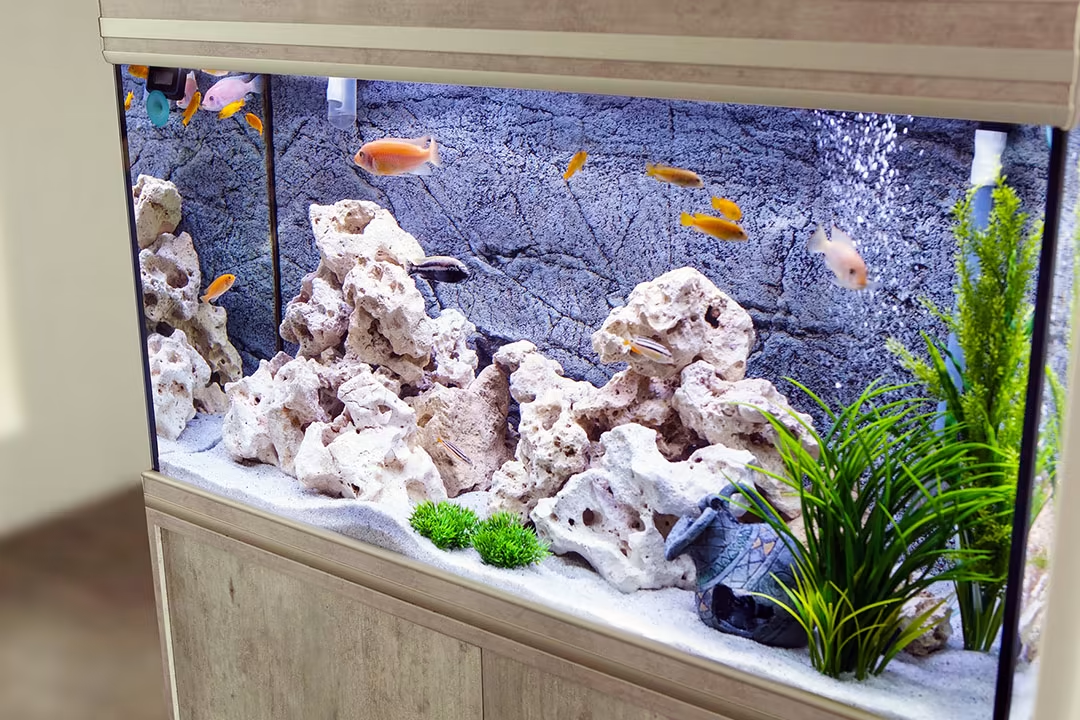
Aquarium Water Quality: Master Healthy Fish & Crystal Clear Tanks
Learn how to test your aquarium water. Poor water quality stresses fish, which leaves them susceptible to disease and possibly death.
Updated on October 23rd, 2025
- Care Sheets
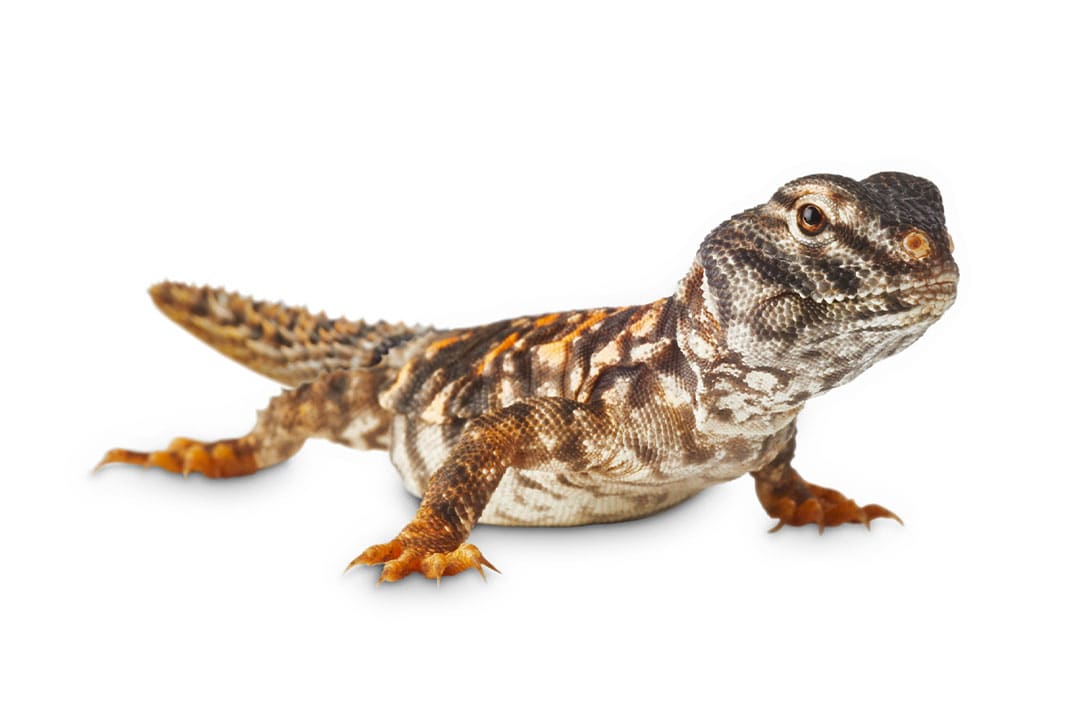
Your Ultimate Guide to Saharan Uromastyx Care: Food, Habitat & Health
Learn how to take care of Saharan Uromastyx, recommended diet and tank setup. Find the right food, supplies and equipment at your neighborhood Petco.
Updated on April 9th, 2026
- Home & Habitat
Blackwater Aquarium: Setup, Fish & Care Guide
Search Petco to learn about blackwater fish aquariums. We want to help you decide what lifestyle is best for your unique fish.
Updated on June 19th, 2026
- Vet Q & A
First fish tank: What Tetras and supplies for my 12-inch tank?
Before you buy any fish, you will need to set up the tank. A basic set up includes: a tank, filter, hood/light, heater, gravel and some decor. The tank should run without fish for at least 4 to 6 weeks. This gives it time to cycle. The Nitrogen Cycle is critical to the health of the tank and any fish you will be keeping. During this time, beneficial bacterial will populate the filter and substrate (gravel). These bacteria will be responsible for breaking down fish wastes and other wastes (uneaten food, dead plants, etc.). You will need a home test kit to monitor water chemistry (ammonia, nitrites, nitrates, pH) or you will have to submit water samples for testing. Most pet stores will do this for free or for a small fee. At first, you will see high levels of ammonia and nitrites. Over time, as bacteria grow, these levels will drop. When ammonia and nitrites are at 0 ppm and nitrates are below 20 ppm, you can consider adding fish. Regular (every 1 or 2 weeks) partial water changes as well as filter changes will be needed to maintain stable water chemistry and adequate water quality. The size of your tank will determine what fish and how many you will be able to keep. Most Tetras do best in groups, so a 12 inch tank may not be large enough. There are several article in the Petco Pet Education Center, formerly Petcoach Library that will provide more detailed information. Click on "Educational Center" at the top of the page, then scroll down to "Articles" and click. Use the Search Bar to find articles regarding aquarium set up and fish keeping.
Updated on September 24th, 2025
- Health & Wellness
What plants, substrate, and fish meds are safe for my planted tank?
Java Moss, Java Fern, Anubias and Amazon Swords are among the easiest live plants to care for and cultivate in an aquarium. You can use aquarium soil or aquarium sand depending on the species of plant(s) chosen. When medicating fish, it is best to remove them to a hospital or quarantine tank. This will spare live plants as well as beneficial bacterial populations, especially if an antibiotic is used. Medicated food is also an option.
Updated on September 24th, 2025
- Vet Q & A
Do red-eared sliders need anti-ich or water conditioner in their tank?
You shouldn't need anti ich medication for your sliders. The water conditioner (anti chlorine) is always a good idea if you use water from a municipal source. My personal preference for water conditioners are AmQuel Plus, NovAqua and StressCoat. You can purchase them online or in the local pet store. Be sure the water is no deeper than twice the length of the shell. You can read more about slider care here: http://www.anapsid.org/reslider.html
Updated on September 24th, 2025
- Health & Wellness
How do I set up a natural red-eared slider tank based on its habitat?
An adult slider should have at least 10 gallons of water per inch of shell length. Bigger is always better though, so if budget and space allow then try for a 75 or even 90 gallon tank. Provide a UVB light source unblocked by glass, plexiglass or fine mesh. Heat sources (for the water and for basking out of the water) are also necessary. A basking platform out of the water should be provided. Use a filter that is rated for at least twice the volume of any tank you choose. This will help maintain water quality. You can read more about keeping sliders at the links below. http://www.anapsid.org/reslider.html http://www.reptilesmagazine.com/Red-Eared-Slider-Care-Sheet/
Updated on September 24th, 2025
- Health & Wellness
My turtle's shell looks split. Is her tank too small? Does she need UVB?
That hinge on her plastron (bottom shell) is normal. It is supposed to appear "split". That allows her to close up securely when she retracts her head. These turtles do not get as big as other species, but a 10 gallon tank is too small. She also needs a UVB light source. Windows will block most of the sun's beneficial rays. You can find a UVB light source in most pet stores. A popular brand is the ZooMed ReptiSun light. They are good eaters, eating a wide variety of animal protein, plant matter and commercial diets. The link below leads to a care sheet providing additional information. http://www.reptilesmagazine.com/Three-toed-Box-Turtle-Care-and-Information/
Updated on September 24th, 2025