

Two Easy Ways to Start Earning Rewards!
Become a member today! Members-only pricing and offers, personalized care notifications, Vital Care points back on every purchase and more!
 Become a credit card member today!
Earn 2X Pals Rewards points at Petco
when you use Petco Pay!APPLY NOWLearn More About Petco Pay Benefits
SeaView
Get It Today


Related Articles & Questions
- New Pet
Freshwater Semi-Aggressive Fish: Top Secrets for a Thriving Tank
Learn how to care for semi-aggressive fish, recommended diet & aquarium setup. Find the right food, supplies & equipment at your neighborhood Petco.
Updated on November 13th, 2025
- Seasonal Topics
Aquaculture for Pet Fish: Essential for Healthy Tanks & Happy Pets
Although you may not realize it, aquaculture is something that touches our lives on a regular basis. Read more about what exactly aquaculture is, why it is important.
Updated on November 13th, 2025
- New Pet
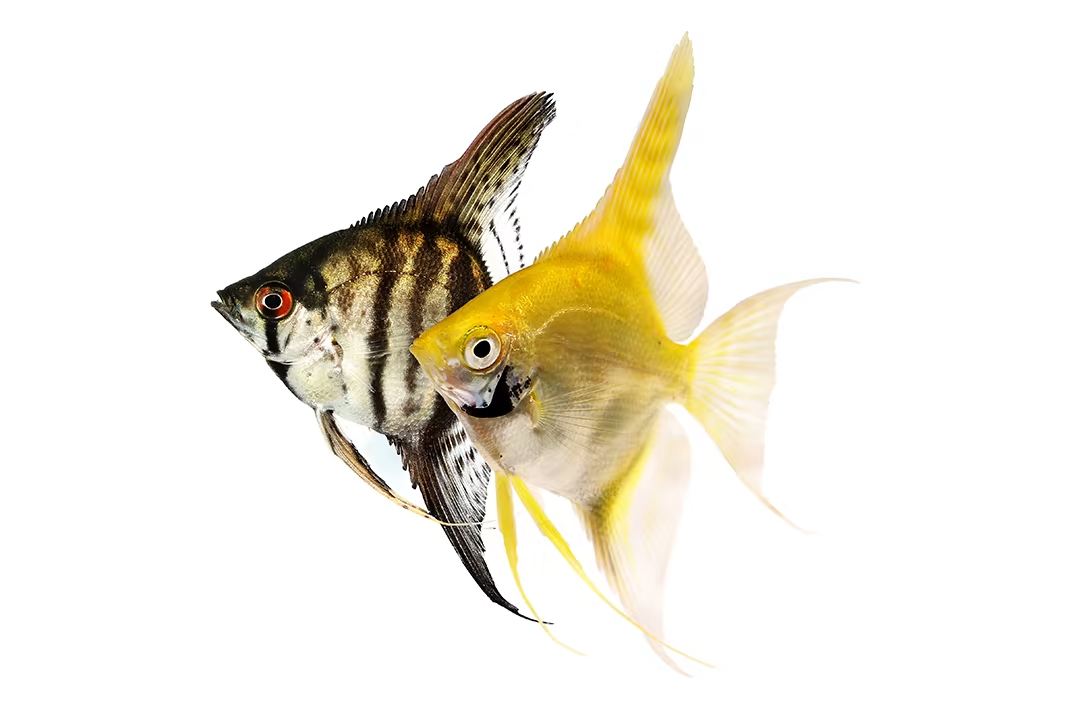
Freshwater Angelfish Care: Tank, Food, & Happy, Healthy Fish
Learn how to care for angelfish, recommended diet and aquarium setup. Find the right food, supplies and equipment at your neighborhood Petco.
Updated on November 13th, 2025
- New Pet
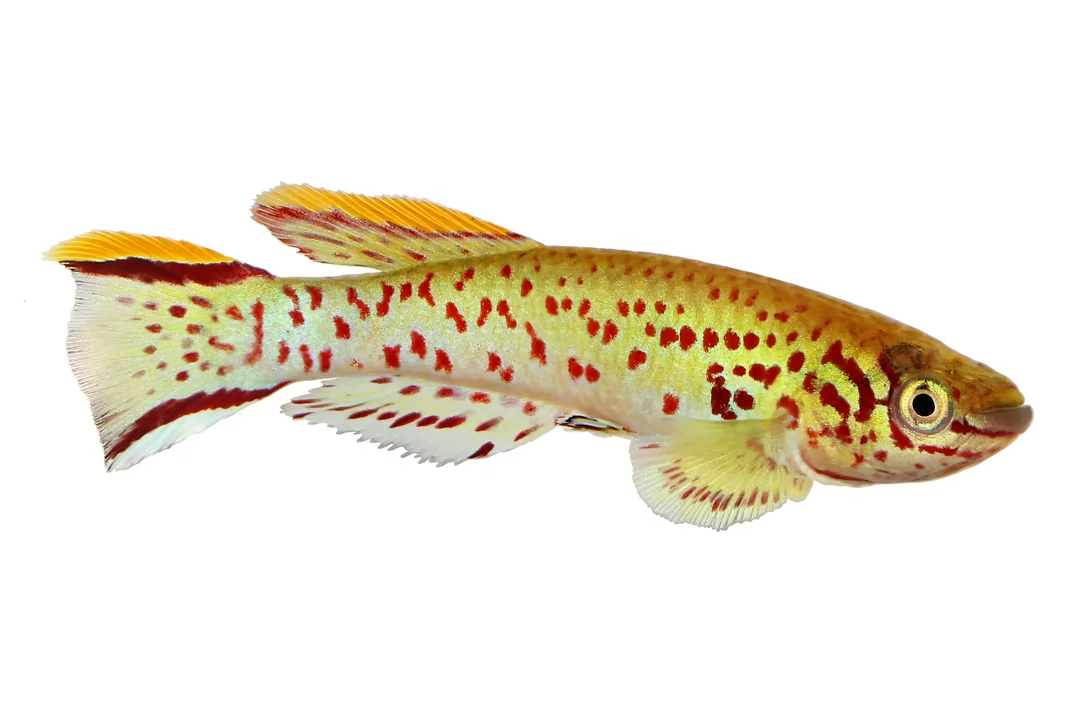
Killifish Care Guide: Unlock Vibrant Health for Your Aquarium Fish
Learn more about Killifish and their care to see if they are the right aquatic life to begin or add to your aquarium.
Updated on November 13th, 2025
- New Pet
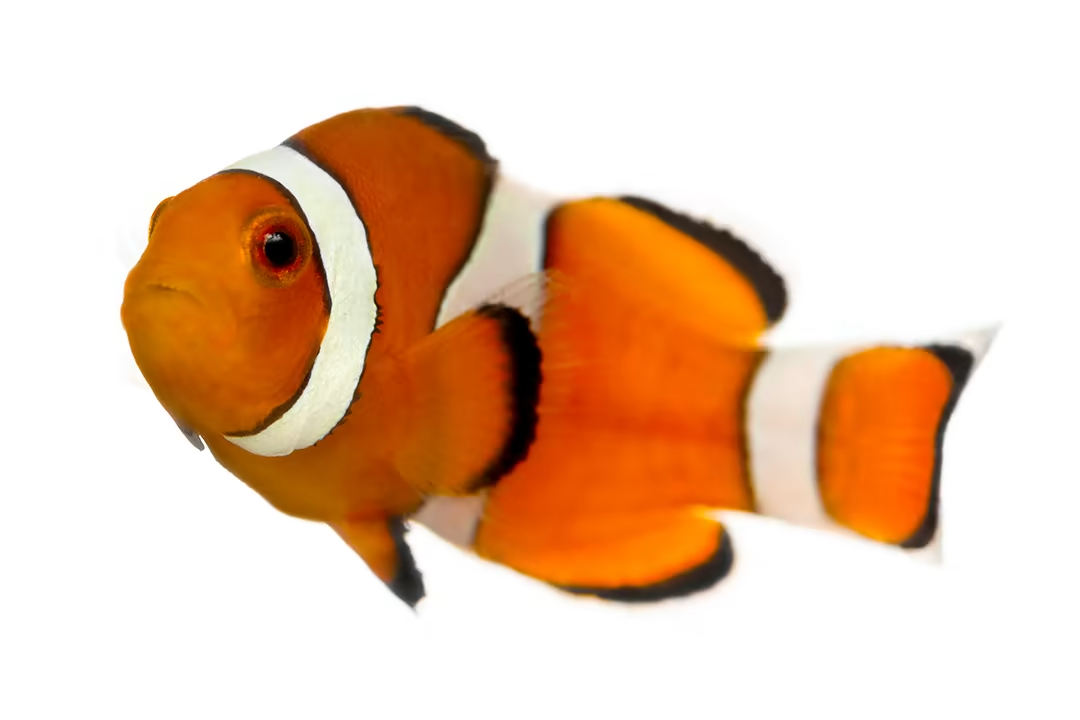
Clownfish Care: Your Easy Guide to Tank Setup, Food & Compatibility
Learn how to care for a Clownfish, recommended diet and aquarium setup. Find Clownfish for sale, supplies and equipment at your neighborhood Petco.
Updated on November 13th, 2025
- Health & Wellbeing
Where can I get a brislenose pleco? Their are none for sale on the Petco website.
I would recommend to call the local pet stores (including Petco) and ask if they ever carry that species. Sometimes the fish can be out of stock. Some of the smaller fish stores can have a good variety of fish available. Best of luck!
Updated on August 12th, 2025
- Health & Wellbeing
I just got a good fish today and it died why is that
The most common cause of death of a newly acquired fish is usually shock or incorrect water quality. Fish tanks should be set up and left running without fish for at least 3-4 weeks to establish a proper nitrogen cycle. There are products that can shorten this time period. If this is not done, there may be high levels of ammonia, chloramine, nitrates and nitrites which can kill a fish. When introducing a fish, the bag should be floated in the tank for about 30 minutes to acclimate the fish to water temperature. This can prevent shock if the water is too hot or too cold. Test your water quality with a home test kit or submit a sample for testing. Most pet stores or aquarists will do this for free or for a nominal fee. Correct any imbalances as indicated. Slowly acclimate any new fish as written above. You can request a consultation to discuss your concerns in greater detail if necessary. Buying fish and starting a tank can be quite confusing initially.
Updated on August 12th, 2025
- Health & Wellbeing
How old do you have to be to buy a pet at Petco?
Customers under the age of 18 cannot purchase live Companion Animals or Aquatic Life without a parent or guardian present. (Excluding crickets and worms). Due to the demands of time and intricate care required with certain species, it is in the best interest of the animals to not sell to minors. Parental permission at time of sale will ensure a better home for the animal and lower our rate of return.
Updated on August 12th, 2025
- Health & Wellbeing
My fish has fin rot and seems lethargic. He will just sit at the bottom of his tank or in his flower. He might also have a swim bladder issue. What can I do to fix him?
Check the water chemistry and quality first. Poor quality can predispose him to infection. Use a home test kit or submit a water sample for testing. Your local Petco may do this for free or for a small fee. If ammonia and/or nitrite levels are elevated, perform partial water changes until both read 0 ppm and nitrates are 20 ppm or less. Use only conditioned water that is temperature matched to prevent further stress or shock. Providing pristine water quality is the foundation for treatment and healing. Check the water temperature since low temps can affect appetite and activity in fish. If the water is too warm, it can also affect activity since warm water does not hold as much oxygen as cooler waters. Fast the fish for 2-3 days then feed tiny bits of cooked and shelled green peas. This will aid in defecation if there is constipation. Plain aquarium salt (not table salt or Epsom salt) can be used for most fish as a general tonic to reduce stress, improve gill function, treat minor in
Updated on August 12th, 2025
- Health & Wellbeing
My golden dojo loach (fish) accidentally swallowed one of my smaller fish, he is choking and I don’t know what to do there is no fish vet near me please help what do I do
Thanks for reaching out about Hidesy. A veterinary visit is highly recommended. Clove oil is an approved anesthetic in fish and can be acquired at many health food stores. If you anesthetized the fish, you might be able to extract and stop the choking. First, try and find a veterinarian, now. Good luck.
Updated on August 12th, 2025