

Two Easy Ways to Start Earning Rewards!
Become a member today! Members-only pricing and offers, personalized care notifications, Vital Care points back on every purchase and more!
 Become a credit card member today!
Earn 2X Pals Rewards points at Petco
when you use Petco Pay!APPLY NOWLearn More About Petco Pay Benefits
Quiko Parrot Shop
Get It Today


Related Articles & Questions
- Care Sheets
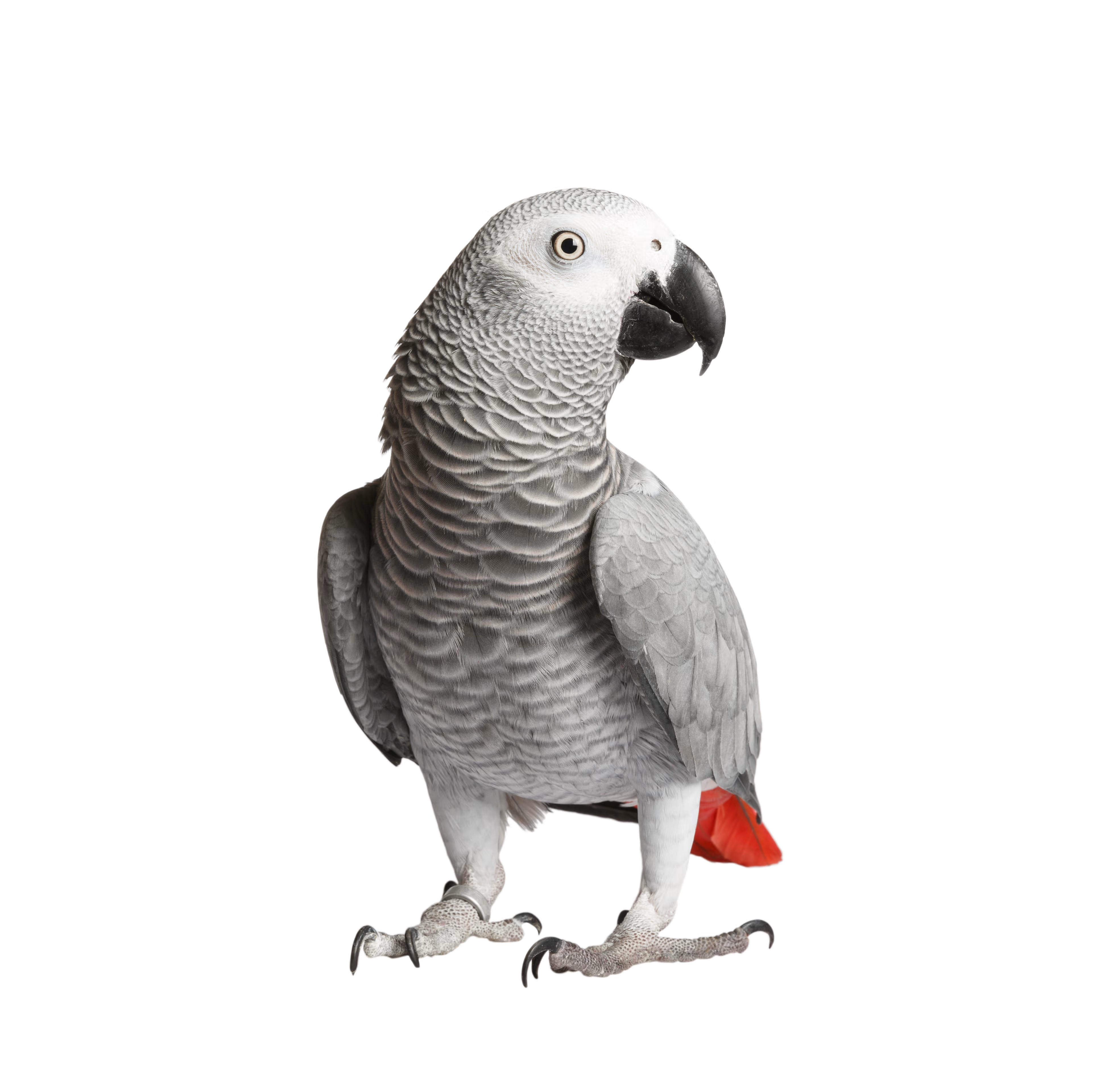
Expert Care for Your Large Hookbill: Food, Habitat, Health & Happiness
Learn how to take care of large Hookbill, recommended diet and housing setup. Find the right food, supplies and equipment at your neighborhood Petco.
Updated on October 23rd, 2025
- New Pet
First-Time Bird Owner? Essential Guide to Your Pet Bird's Perfect Home
Learn some tips about bringing your new pet bird home for the first time. Find out what supplies and actions will help her feel most at home.
Updated on October 23rd, 2025
- Care Sheets
Master Medium Parakeet Care: Essential Guide for a Long, Happy Life
Learn how to care for a medium-sized parakeets, recommended diet & bird cage setup. Find the right food, supplies & equipment at your neighborhood Petco.
Updated on October 23rd, 2025
- Care Sheets
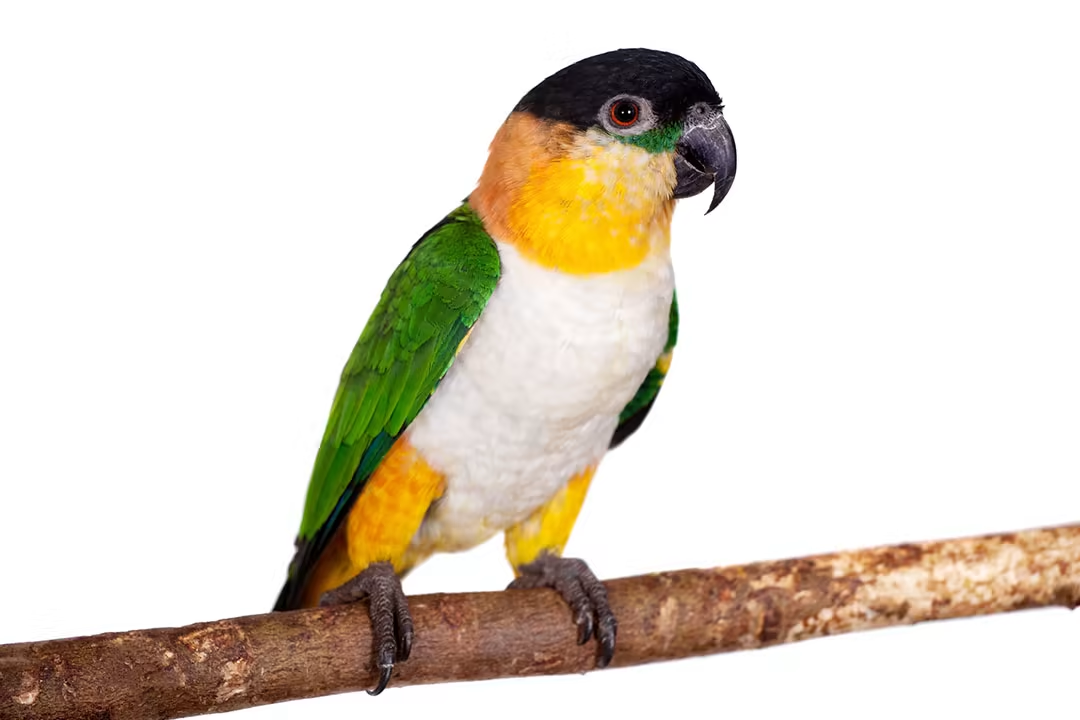
Small Hookbill Parrot Care: Food, Habitat, Health & Behavior Tips
Learn how to care for small hookbill parrots, recommended diet & bird cage setup. Find the right food, supplies & equipment at your neighborhood Petco.
Updated on October 23rd, 2025
- Care Sheets
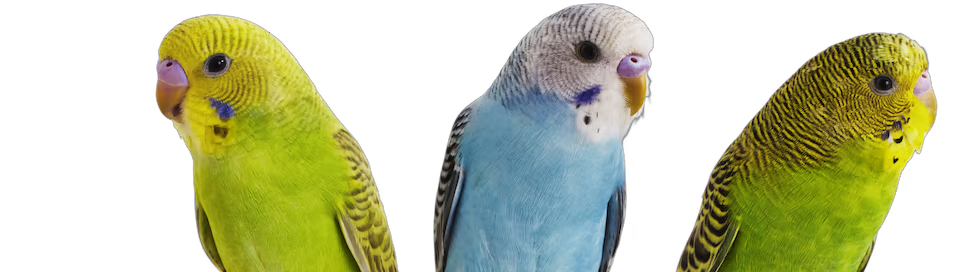
Ultimate Parakeet Care: Feeding, Housing, Health & Fun Facts Guide
Parakeets can make great pets. Take a look at these fun facts about these winged companions and wow your friends with your knowledge.
Updated on October 23rd, 2025
- Health & Wellbeing
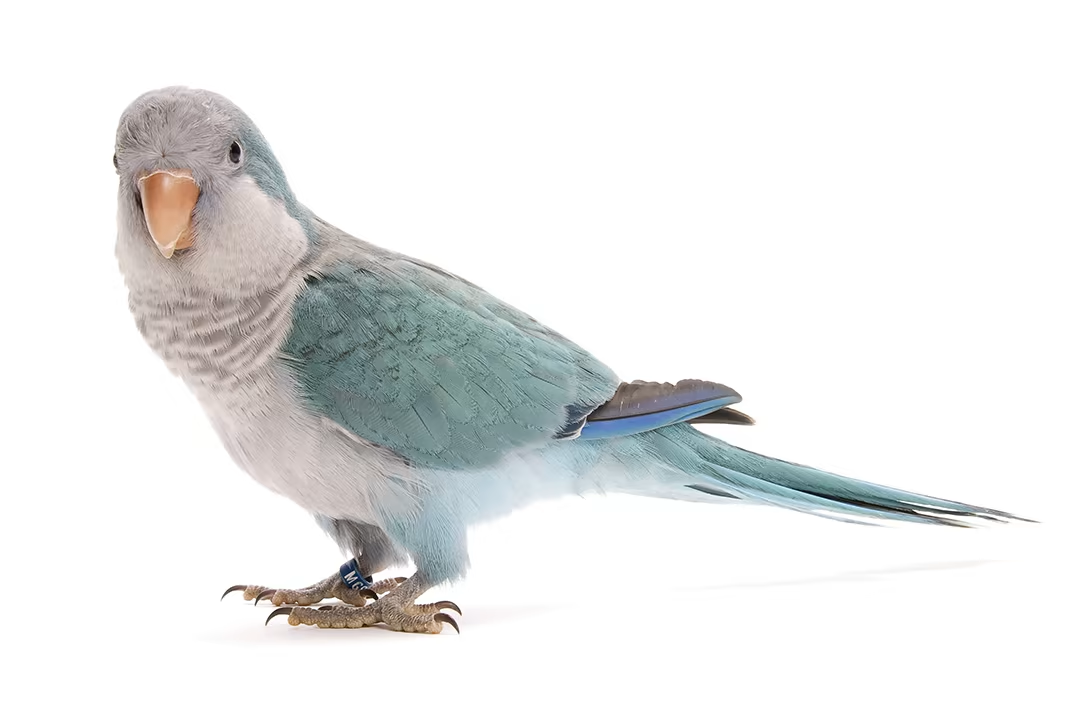
What's the best senior food for my aging Quaker parrot, a rescue?
Feed mainly a commercial pelleted diet such as Harrison's, Lafeber or Higgins pellets. This should make up about 80% of the diet. The other 20% can be a mix of a fortified seed mix and fresh fruits and vegetables.
Updated on September 24th, 2025
- Food & Nutrition
What nutritious food should I buy for my parakeets' healthy diet?
Feed a commercial pelleted diet (Harrison's, Roudybush, Lafeber, Pretty Bird or Exact) supplemented with a small amount of a fortified seed mix, fresh greens and vegetables and cooked foods such as grains, beans and pastas. You can even offer a bit of scrambled eggs, shells included, occasionally.
Updated on September 24th, 2025
- Health & Wellbeing
New to parakeets? Essential care tips for first-time owners.
Parakeets, also called Budgerigars, are small members of the parrot family and they can become good mimics. The average adult size is 7 inches long, head to end of tail. The average life span is between 10 to 20 years with proper care. A well-balanced Parakeet diet consists of: Specialized pellets should make up 60-70% of diet, fresh vegetables and fruits and small amounts of fortified seeds Clean, fresh, filtered, chlorine-free water, changed daily. Do not feed birds: avocado, fruit seeds, chocolate, caffeine or alcohol; it can cause serious medical conditions. Avoid sugar and high fat treats. Things to remember when feeding your Parakeet: Fresh food and water should always be available. Vegetables and fruits not eaten within a few hours should be discarded. Remember, treats should not exceed 10% of total food intake. Housing Parakeets acclimate well to average household temperatures, not to exceed 80°F; be cautious of extreme temperature changes. The habitat should area that is w
Updated on September 24th, 2025
- Health & Wellbeing
My female bird is laying eggs. What care and feeding tips do I need?
Feed a good quality pelleted diet (Harrison's, Roudybush, Lafeber, Pretty Bird or Exact) supplemented with a fortified seed mix and fresh greens and vegetables. Provide a cuttlebone or mineral block. Always have fresh water available. Provide an appropriately sized nesting box and suitable nesting material (straw, Aspen shaving, shredded newspaper, etc.).
Updated on September 24th, 2025
- Food & Nutrition
New to birds? How to care for a medium parrot like an Amazon.
Thanks for your questions about birds. You can shower with birds, but it is recommended that they sit on a perch or on the shower rod during the shower, not that they are directly hit by the spray. A safer way to give them a shower is by using a gentle mist directed over the top of them with a spray bottle. When provided with appropriate and balanced nutrition, a cuttle bone is not necessary for parrots. The food that you posted is a reliable pelleted diet, but you would need to ensure that you got an appropriate size for the species - for example, the mini pellets would be good for a conure but not for an Amazon. If you have never had a bird before, it may be a big commitment to get a medium to large sized parrot. When cared for appropriately, these large parrots can live many decades - ideally 50 years or more. You may potentially consider starting with a smaller parrot, such as a cockatiel (life span of up to 25 years) or a budgerigar (life span around 8 years). I hope that gives
Updated on September 24th, 2025