Two Easy Ways to Start Earning Rewards!
Earn 2X Pals Rewards points at Petco
when you use Petco Pay!
Get It Today
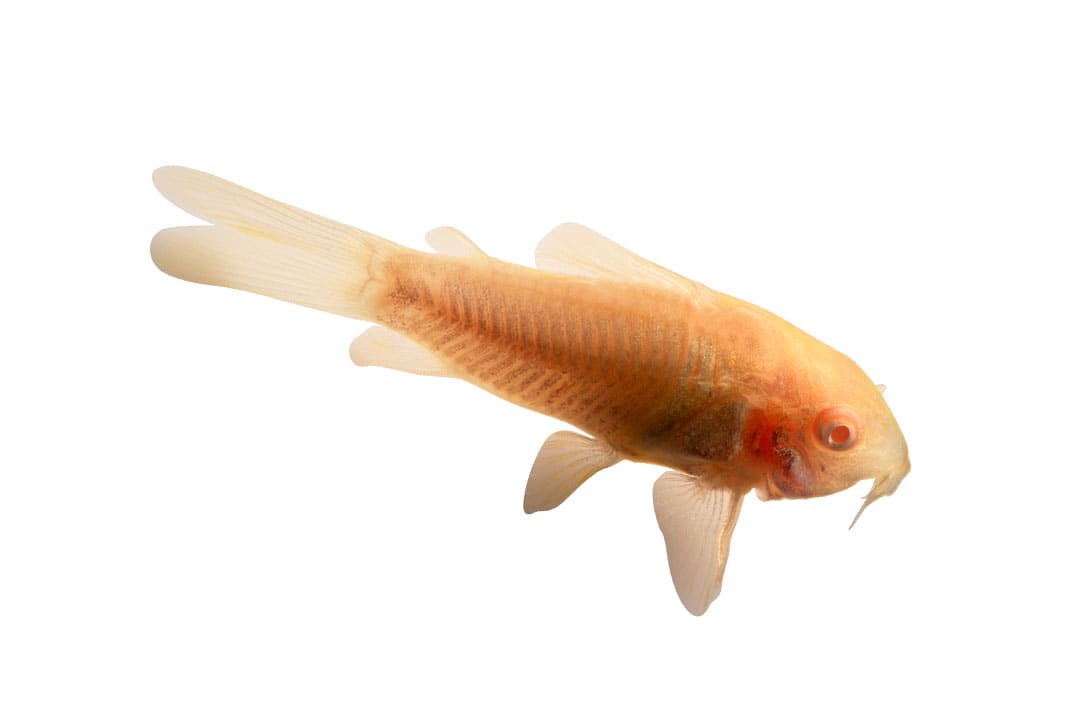
Learn how to take care of Catfish, recommended diet and tank setup. Find the right food, supplies and equipment at your neighborhood Petco.
Updated on November 13th, 2025
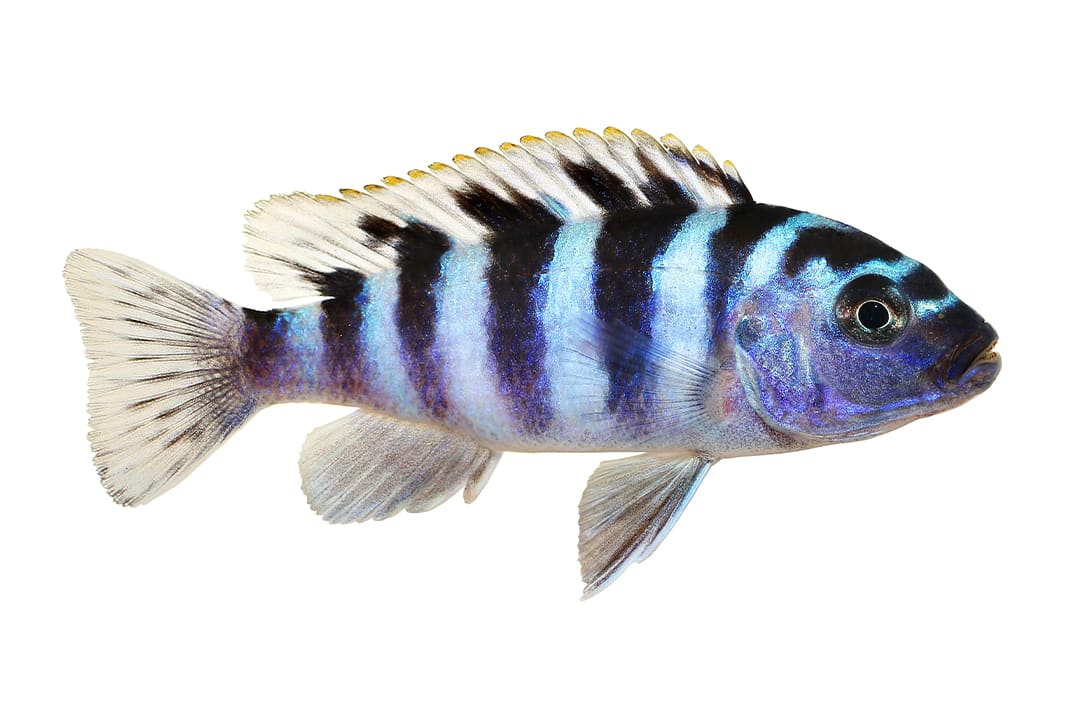
Learn how to care for your Cichlid, recommended diet and tank setup. Find the right food, supplies and equipment at your neighborhood Petco.
Updated on November 13th, 2025
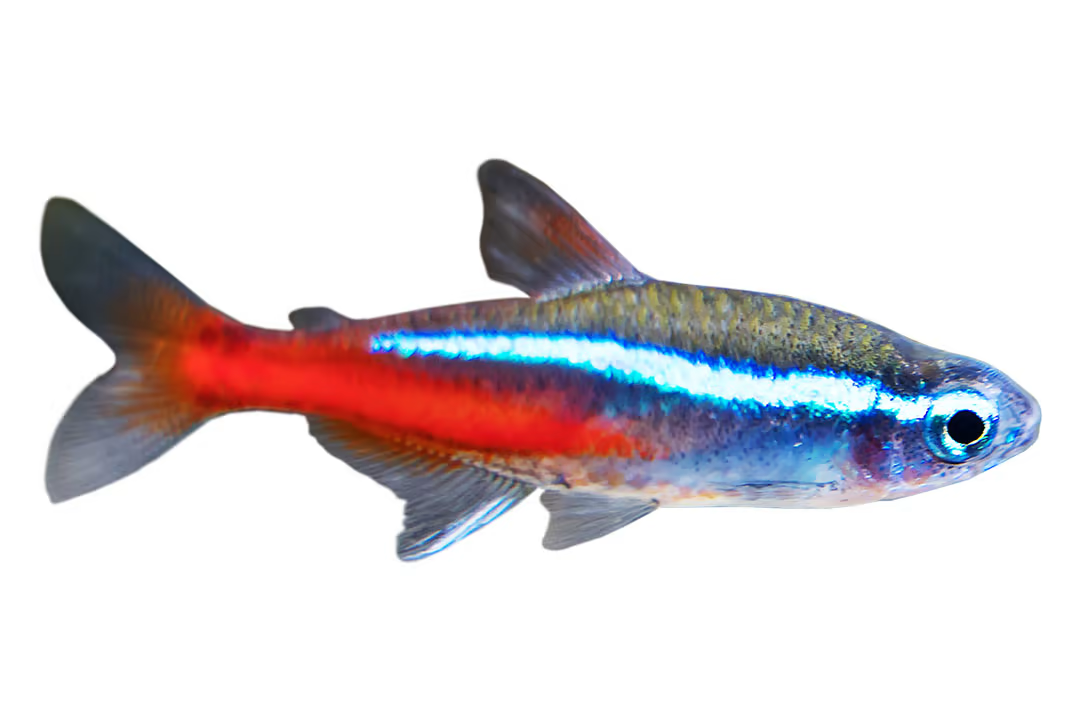
Learn how to care for a Tetra, recommended diet & habitat setup. Find the right food, supplies & equipment at your neighborhood Petco.
Updated on November 13th, 2025
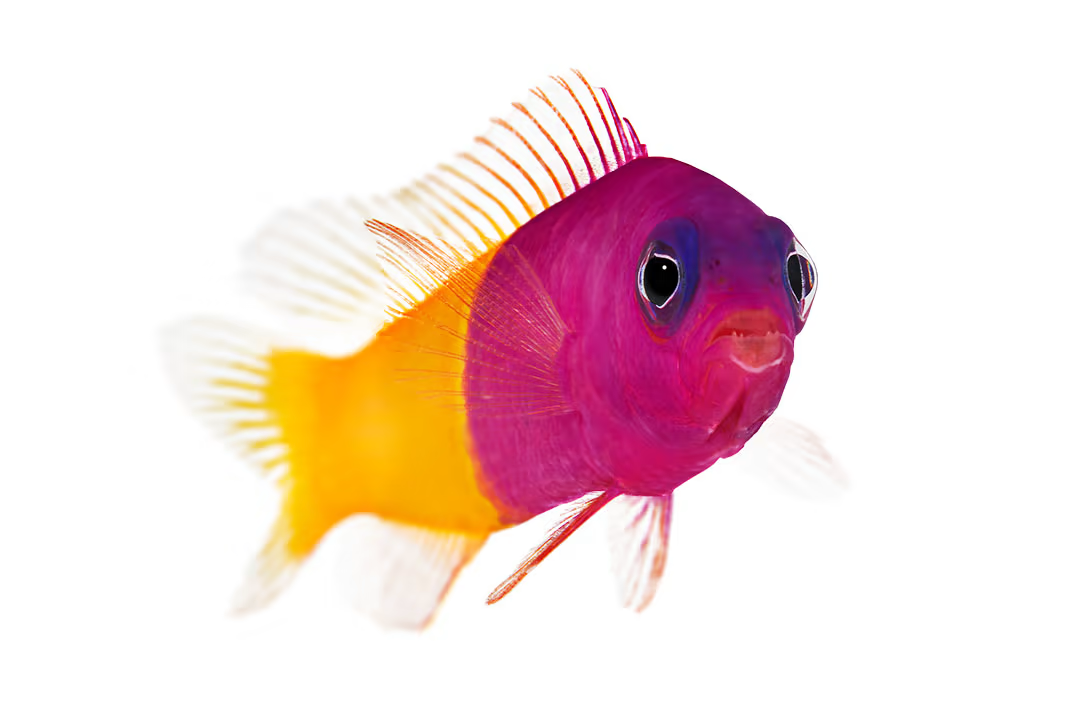
Small Marine Fish are favorites with marine aquarists and includes a wide range of species.
Updated on November 13th, 2025
Shop Petco for low-maintenance aquarium decorations like the El Nino fern. We want to help decorate your aquarium to keep your fish happy and comfortable.
Updated on November 13th, 2025
Check the water chemistry. Confirm ammonia and nitrite levels are 0.25ppm or less and nitrates are 40ppm or less. Use a liquid test kit or submit a sample for testing. Most pet stores or aquarists will do this for free or for a small fee. Partial water changes, about 30% can be done to decrease high levels. Use only aged or conditioned water that is temperature matched to prevent further stress or shock. My preferences for water conditioning are AmQuel Plus and NovAqua in addition to StressCoat. Confirm water temperature between 78F and 80F. You can soak pellets in some garlic juice to stimulate his appetite.
Updated on August 12th, 2025
Check the water chemistry first. Use a home test kit or submit a sample of water for testing. Most pet stores will do this for free or for a small fee for. High ammonia or nitrite levels can be toxic to fish. Aim for 0 ppm ammonia and nitrites with a nitrate level of 20ppm or less. Perform a partial water change, if indicated, to stabilize chemistry and maintain water quality. Use only aged or conditioned water that is temperature matched to prevent stress or shock. Check the water temperature as well, confirming it is appropriate for your species of fish.
Updated on August 12th, 2025
The quick start liquid will add nitrifying bacteria but will not eliminate ammonia or nitrites. Both are harmful and can kill fish in high enough concentrations. You can use a home test kit to test the water or you can submit a sample for testing. Most pet stores or aquarists will do this for free or for a nominal fee. There are chemical additives you can use to decrease levels. When adding water, use treated water or aged water. Ideally, the tank should be left empty for about 4 weeks to properly establish the nitrogen cycle before adding fish. At this point, you may lose the second fish regardless of treatment. Test the water, make adjustments, let the tank cycle and start fresh. Adding an airstone can increase oxygen levels.
Updated on August 12th, 2025
Unfortunately this is a very generic sign and a radical approach must be followed in these cases to find the problem. Begin by submitting a water sample for quality testing. Most pet stores will do this for free or a nominal fee. High ammonia levels, PH imbalances may be responsible for that. Oxygen concentration and quality of the filters should be determined as well. If water quality is good and there are no major imbalances, your Fishy should examined to look for any sign of bacterial/fungal infection and eventually water should be treated. Please do not hesitate to contact us again on the forum or by requesting a consultation if you have any more questions or to discuss it any further.
Updated on August 12th, 2025
They may be stressed from the trip, the water may be too cold (low temps can affect appetite in fish) or the water chemistry may be off. Consider a partial water change. Use only conditioned water that is temperature matched to prevent further stress or shock. The fish food is fine. They will likely eat it once conditions are corrected and they settle down.
Updated on August 12th, 2025