Two Easy Ways to Start Earning Rewards!
Become a member today! Members-only pricing and offers, personalized care notifications, Vital Care points back on every purchase and more!
 Become a credit card member today!
Earn 2X Pals Rewards points at Petco
when you use Petco Pay!APPLY NOWLearn More About Petco Pay Benefits
Miracle Care Dog Pain Medicine & Relief



Related Articles & Questions
- Health & Wellness
Is Your Dog in Pain? Safe Relief & What NOT to Give Your Pet
Stay away from giving your dog human pain medications which are toxic to pets.
Updated on June 19th, 2026
- Health & Wellness
Arthritis in Dogs: Spot Symptoms & Get Your Pet the Best Care
Learn about the signs of arthritis in dogs and understand what arthritis treatment may be right for them so your dog can enjoy a comfortable, happy life.
Updated on June 19th, 2026
- Grooming
Dog Nail Trimming Guide: How to Cut Dog Nails Safely
Learn more about dog nail trimming and paw caring for your pet to help them look good and feel great.
Updated on June 19th, 2026
- Health & Wellness
Probiotics for Dogs: Optimize Digestion & Immunity for Health
Learn how to improve your dog's life with nutritional probiotics. Help your dog regardless of age or size & manage inflammation, gastrointestinal health & arthritis.
Updated on June 19th, 2026
 Health & Wellness
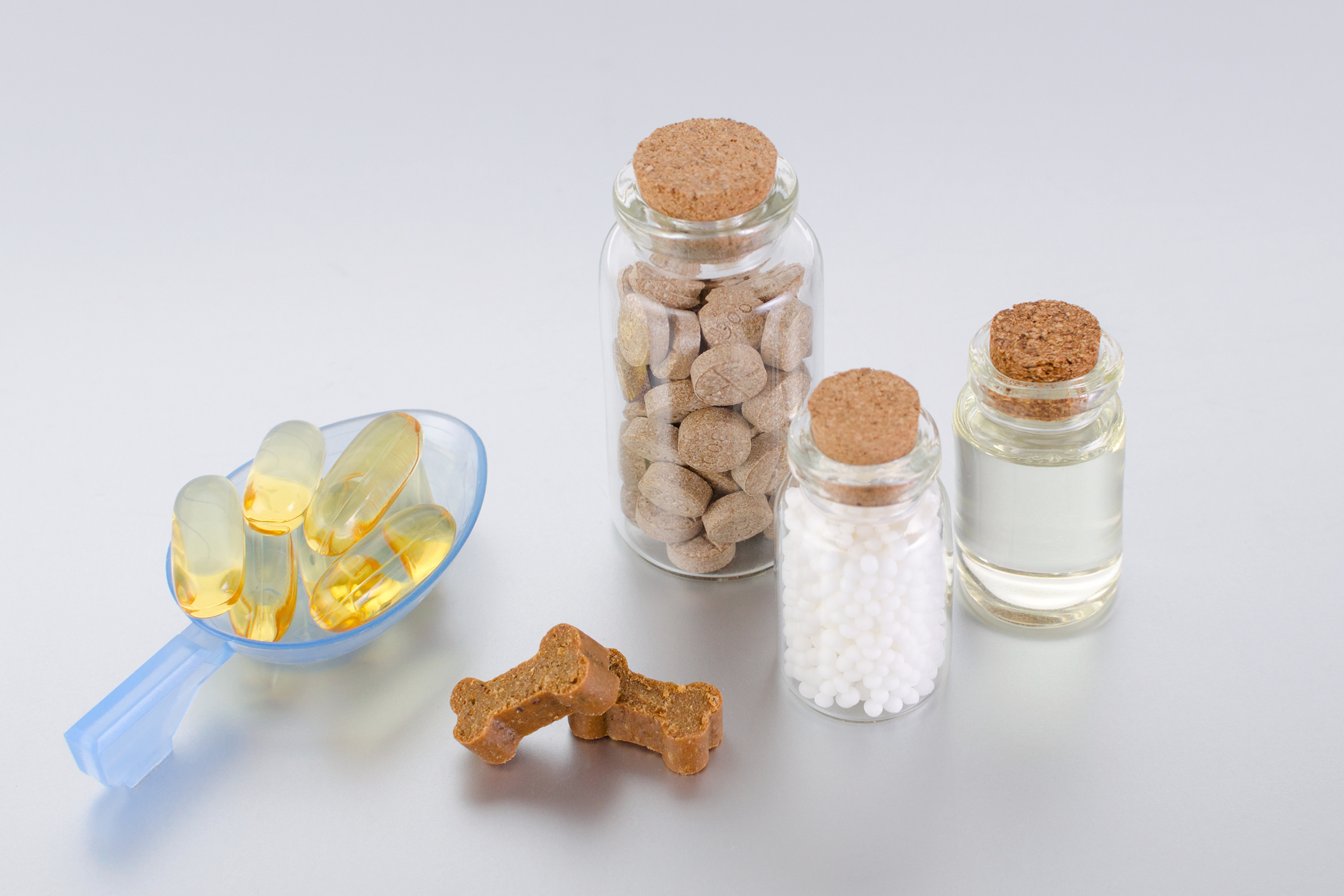
Unlock Optimal Health: Best Pet Supplements for Your Dog & Cat
Discover how to choose the best supplements for your pet’s health, from essential vitamins to joint support and digestion aids. Learn age-specific and seasonal supplement tips for cats and dogs.
Updated on June 19th, 2026
- Health & Wellness
My dog is hurting. What can I give him for pain relief safely?
Dogs can experience pain from a variety of health conditions, including [osteoarthritis](https://www.petcoach.co/dog/condition/arthritis-1/),[ dental disease](https://www.petcoach.co/dog/condition/dental-disease/), [urinary tract infections](https://www.petcoach.co/dog/condition/utis-in-dogs/) or traumatic injuries, among many others. While it is extremely difficult to see our four-legged friends in pain, there are no safe and effective over-the-counter medications for managing pain in dogs (or cats). Over the counter pain relievers for humans, such as ibuprofen (Advil or Motrin), acetaminophen (Tylenol) and naproxen (Aleve) are all toxic to animals. Aspirin should also not be given to dogs because it causes significant irritation and potential ulceration of the gastrointestinal tract, and it inhibits a dog’s ability to clot blood. If you think that your dog is in pain, your best bet is to take him to your veterinarian. After performing a [physical exam](https://www.petcoach.co/article/what-does-your-veterinarian-look-for-during-a-physical-exam/), your veterinarian will be able to prescribe safe and effective medication. Only give pain medication to the pet for which it was prescribed due to risks with drug interactions, improper doses or contraindications with certain medical conditions. ### Elanco and the diagonal bar logo are trademarks of Elanco or its affiliates. Galliprant is a registered trademark of Aratana Therapeutics, Inc.
Updated on September 24th, 2025
- Vet Q & A
My dog's back and leg pain returned. What medication can help?
Sorry to hear about Clive. The mainstay treatments for orthopedic injuries are pain killers and anti inflammatories (NSAIDs). Since there may be a spinal / neural component to this, neuropathic medications and muscle relaxants may also come in very helpful especially during times of additional breakthrough discomfort. The type of medication to be dispensed will ultimately be a discussion with your primary vet, but NSAIDs that are common include carprofen (Rimadyl), deracoxib (Deramaxx), and meloxicam (Metacam). Other medications are things like opioids including tramadol and hydrocodone. In terms of the back, I would consider medications like gabapentin and methocarbamol to address this. There is another medication that I use in patients with refractory pain called amantadine, but I find it only effective when used in conjunction with NSAIDs. The periodic or daily use of many of these medications should be coupled with blood work at least twice yearly to be sure liver and kidney values are not elevating. Hope you get Clive all straightened out!
Updated on September 24th, 2025
- Vet Q & A
My dog has a slipped disc. How to relieve pain and aid healing?
Hello, thank you for using Petco Pet Education Center, formerly Petcoach. Unfortunately, intervertebral disk disease is the bane of all long backed dogs. The key to recovery is pain medication either in the form of a steroid like prednisone, or a nonsteroidal anti-inflammatory medication such as rimadyl, carprofen, metacam, etc. & STRICK rest. Ace must not jump, run, or be at all active while trying to heal. It can take 3 weeks for the disk to heal. You can apply alternating treatments of heat & cold by warming a sock with rice in the microwave ( make sure it is warm & not hot ), using it on Ace for 10 minutes, then apply a bag of frozen peas for 10 minutes. You can do this twice a day, but make sure there is a towel between the heat & cold, & move the application frequently to prevent hot or too cold spots. If Ace remains painful, you can ask your vet for an appropriate additive to Ace's medication. A muscle relaxant might be appropriate, or additional pain medications in the form of tramadol or gabapentin. These things take time. Hopefully, he will feel better by tomorrow. Take care.
Updated on September 24th, 2025
- Vet Q & A
What are safe and effective pain relief options for my dog?
Unfortunately there are no safe over the counter pain medications for dogs, as the ones we use in humans can cause liver toxicity and stomach ulcers. I would recommend consulting with your veterinarian for a pain medication. The most popular are NSAIDs such as carprofen, meloxicam, and deracoxib. For long term/mild Arthritis pain a glucosamine chondroitin joint supplement like Dasuquin can help but must be taken daily for about a month before results are seen.
Updated on September 24th, 2025
- Vet Q & A
Dog hurt back jumping. Can I give pain meds before seeing a vet?
Unfortunately, there are no safe OTC pain relievers for dogs. Many are toxic to dogs, and can be fatal if given. Taking Lilly to the vet is the right thing to do, and the vet can prescribe her a safe pain and inflammation reliever, such a Rimadyl.
Updated on September 24th, 2025