Two Easy Ways to Start Earning Rewards!
Earn 2X Pals Rewards points at Petco
when you use Petco Pay!
Get It Today
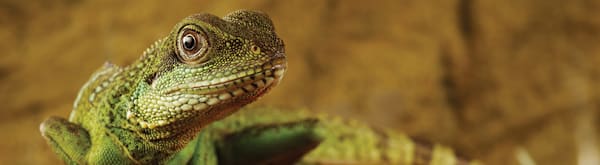
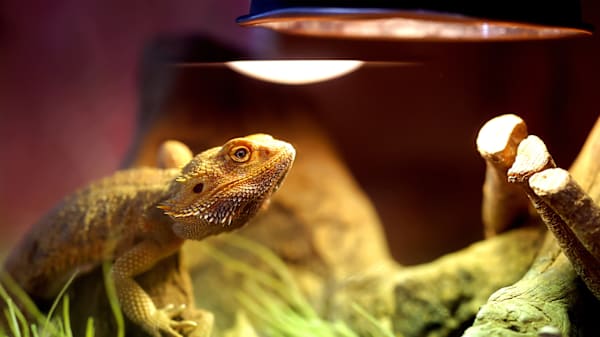
Learn how to setup your reptiles terrarium to ensure your reptile lives a wholesome & happy life. Shop at your local Petco for all reptile terrarium needs.
Updated on October 23rd, 2025
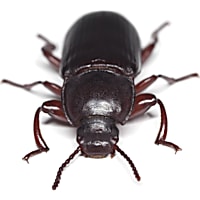
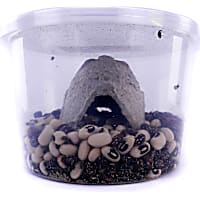
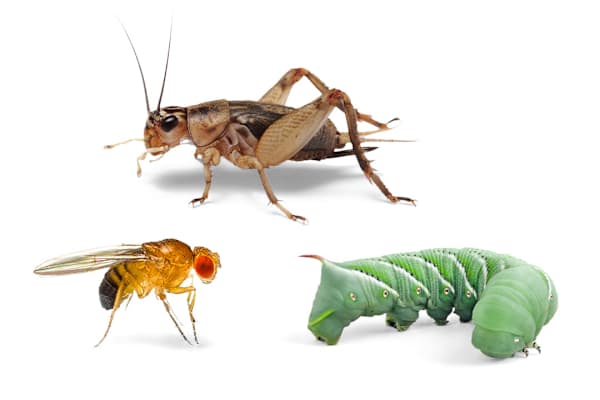
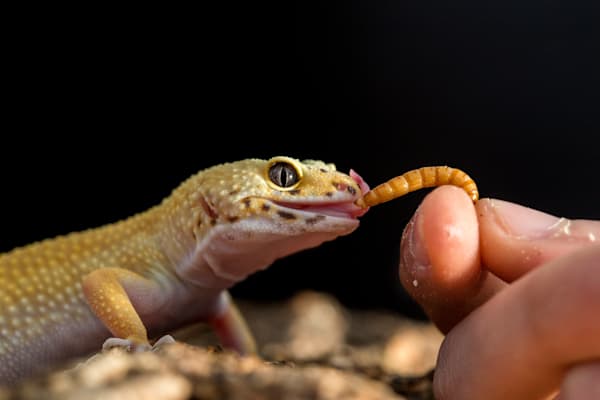
Learn about live insects for reptile feeding, recommended diet & habitat setup. Find the right food, supplies & equipment at your neighborhood Petco.
Updated on April 9th, 2026
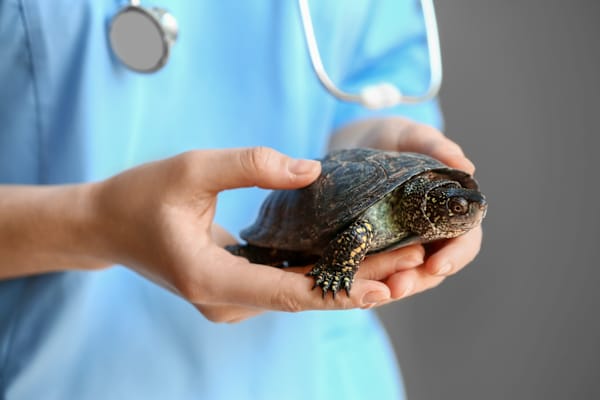
Explore our tips about what to keep in mind when choosing the right pet reptile for your family. Consider what they need to stay happy and healthy.
Updated on October 23rd, 2025
Learn how to thaw frozen mice for feeding time. Find out how to safely prepare and clean up after frozen meals at Petco.
Updated on December 16th, 2025
Learn the importance of UVB light for your reptiles and the right reptile lights for your pet’s habitat.
Updated on March 30th, 2026
You would need to use an excessive amount in order to "overdose" most reptiles or amphibians. As long as you follow label directions, you should be fine. ReptiSafe is an excellent product. (This is my own opinion which comes from personal use)
thanks for reaching out about Autumn. Reptile Magazine has several good articles. Pristine water quality and a well-rounded diet is imperative. Large 55+ gallon aquarium with haul out area, heat lamp for water and basking, UVA and B radiation exposure. A wide variety of insects including crickets, mealworms, earthworms and any other insects from the outdoors or garden, as long as no pesticides are used. Good luck.
The Cowfish, or Longhorned Boxfish, is a marine species that should be kept only by experienced aquarists. When stressed, they can release toxins into the water which may harm tank mates. Pacman frogs, leopard geckos, corn snakes or bearded dragons are all easy to keep.
If it is only occasionally, continue to monitor him/her. A nutritional deficiency is always a concern, especially in juveniles, but as long as the appetite is good this is not a concern. Be sure to supplement with a calcium/D3 at each feeding and a multivitamin several times a week. Repashy, HerptiVite and Rep-Cal w/D3 are all options. If the shaking/thumping worsens or if you see lethargy, lameness or swollen limbs/joints, then have the little one examined by your veterinarian or an experienced herp vet.
Thanks for your question - to find a veterinarian in your area, you can check the AAFV or ARAV websites. Additionally, UC Davis is a couple of hours from you, and they have a department at their veterinary school that will see both fish and frogs. For the rock size - you are correct - you want to have larger rocks so that your frog doesn’t accidentally ingest any of them. For your last question about the spasms - without further description I would be unable to determine if this was normal or not, but I would recommend ensuring that you have a complete and balanced diet for the species of frog that you have. Nutritional deficiencies can be very common in frogs, and can result in “spasms” in them. I hope that helps to answer your questions, and good luck!