Two Easy Ways to Start Earning Rewards!
Become a member today! Members-only pricing and offers, personalized care notifications, Vital Care points back on every purchase and more!
 Become a credit card member today!
Earn 2X Pals Rewards points at Petco
when you use Petco Pay!APPLY NOWLearn More About Petco Pay Benefits
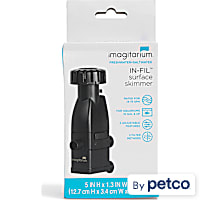
Imagitarium Aquarium Protein Skimmers
Get It Today



Related Articles & Questions
- Product Guides
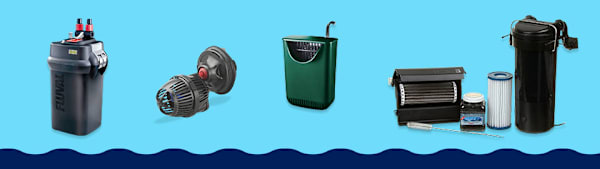
Petco Filters: Complete Aquarium Filtration Guide
Discover the fish tank filter system that’s right for your aquarium. Learn about mechanical, chemical, and biological filtration at Petco.
Updated on June 19th, 2026
- Home & Habitat
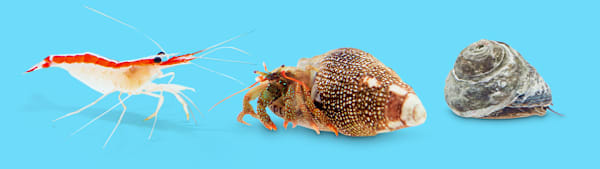
Marine Aquarium Clean Up Crew: Complete Guide
Visit Petco to learn about cleanup crews and how they can help your aquarium health.
Updated on June 19th, 2026
- Care Sheets
Aquatic Pet Safety: Keep Your Home Aquarium Pets Healthy & Safe
Learn how to safely handle your aquatic life to avoid toxin & bacterial exposure. Find aquatic life care supplies at your neighborhood Petco pet care center.
Updated on October 23rd, 2025
- Care Sheets
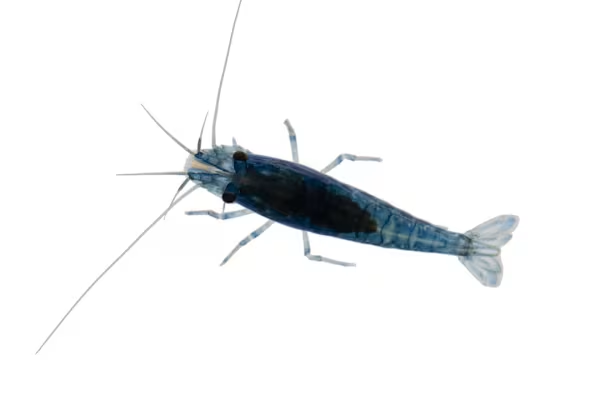
Thriving Freshwater Shrimp: Tank, Food, & Compatibility Tips
Learn how to care for Freshwater Shrimp, recommended diet & aquarium setup. Find the right food, supplies & equipment at your neighborhood Petco.
Updated on April 9th, 2026
- Care Sheets
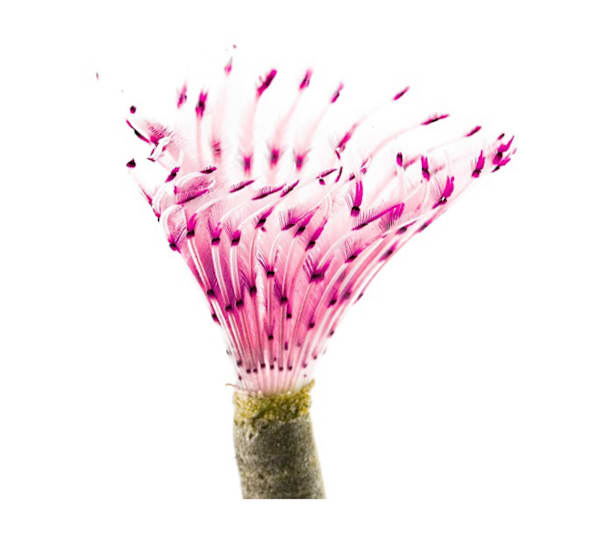
Keep Feather Dusters Thriving: Habitat, Diet, & Water Care Guide
Learn how to care for Feather Dusters. Find the right food, supplies & equipment at your neighborhood Petco.
Updated on April 9th, 2026
- Vet Q & A
What's the best way to attach a skimmer to my aquarium filter?
Most protein skimmers simply attach to the intake of the filter. There should be installation instructions with the unit, but if not, you can use your preferred search engine to research "protein skimmer installation". Sites such as YouTube will also have videos showing the process.
Updated on September 24th, 2025
- Food & Nutrition
What fish and supplies are best for a beginner's small tank?
Without anything to use for scale, it is hard for me to tell how big your tank is, but in general it seems very small. Also, the water that is in the tank appears very cloudy right now, so that would be the first place to start. Water quality is very important, and will make or break your ability to house and care for fish. I would recommend getting a good filter system (you can visit a local pet store to assist you with brands in your area, as I am not familiar with what you can get in India). Be sure to bring the measurements (height, length, width) of your tank, or the gallons or liters so they can tell you what capacity of filter you will need. Everything else will depend on what types of fish you get - if you plan on getting multiple fish, they will need to be small - a general rule of thumb is one square inch of fish per gallon of water. Depending on the species you get, you may need to also get a bubbler to ensure there is enough oxygen in the water for them, and you will also likely need to get some sort of substrate for the bottom and cage furniture (different species have different air requirements, and some are secretive and like to hide). You may also need a water heater, depending on the species you would like to house. But, depending on how small your tank is, it may be hard to get a water heater that will fit. The food type will also depend on what species you get, as there can be differences in diet type between species. I hope that gives you a place to start, and good luck!
Updated on September 24th, 2025
- Vet Q & A
How to use Imagitarium ammonia-reducing cubes in a 5-gallon filter?
These cubes are typically placed in the filter or directly in the water flow. The filter should have a compartment that can be opened to remove filter media. Without knowing the brand of filter, more accurate advice cannot be given. The cubes begin to work immediately to reduce ammonia levels but they should not be used as a long term solution. Monitor water chemistry using a home test kit or by submitting a water sample for testing. Most pet stores will do this for free or for a small fee. Aim for 0 ppm ammonia and nitrites with a nitrate level of 20 ppm or less. Perform partial water changes, no more than 30% at a time, to stabilize chemistry and/or to improve water quality. Use only aged or conditioned water that is temperature matched to prevent stress or shock. This would be recommended over using another method.
Updated on September 24th, 2025
- Vet Q & A
20-gallon tank setup: What fish and supplies do I need to get started?
A fish tank will need a filter, a light/hood and a heater. Make sure the filter is rated for at least twice the tank volume. The heater should be adjustable since water temperature will depend on the species of fish. Good "starter" fish include Tetras, Mollies, Danios or Tetras. A new tank should be set up and left running empty for several weeks before adding fish. A pinch of flake food can be sprinkled in daily. This "cycling" will allow a population of beneficial bacteria to colonize the tank and filter. These bacteria will break down wastes (ammonia, nitrites and nitrates) which are toxic to fish.
Updated on September 24th, 2025
- Food & Nutrition
Is Imagitarium UV purified water safe and nutritious for my betta?
Yes, this is fine for a Betta tank. You should still use a small filter as well as a small submersible heater to maintain water temp. Bettas do best between 78 F and 80 F. If you choose to use tap water, use an appropriate water condition to remove harmful chemicals and heavy metals.
Updated on September 24th, 2025