Two Easy Ways to Start Earning Rewards!
Earn 2X Pals Rewards points at Petco
when you use Petco Pay!
Get It Today

Picking the best leopard gecko substrate can be an overwhelming task; learn about some great options to help your leopard gecko live a happy & healthy life!
Updated on November 13th, 2025
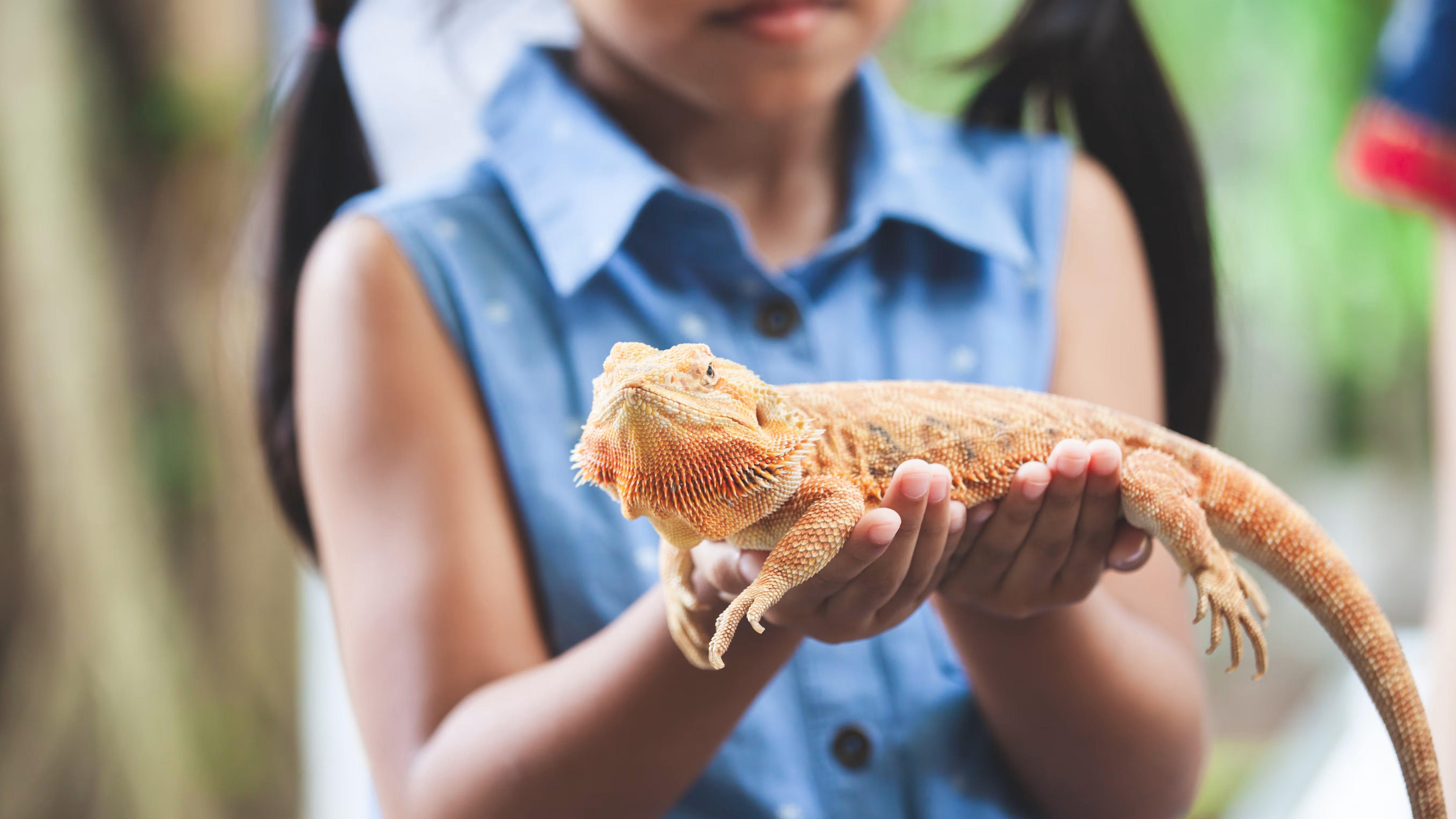
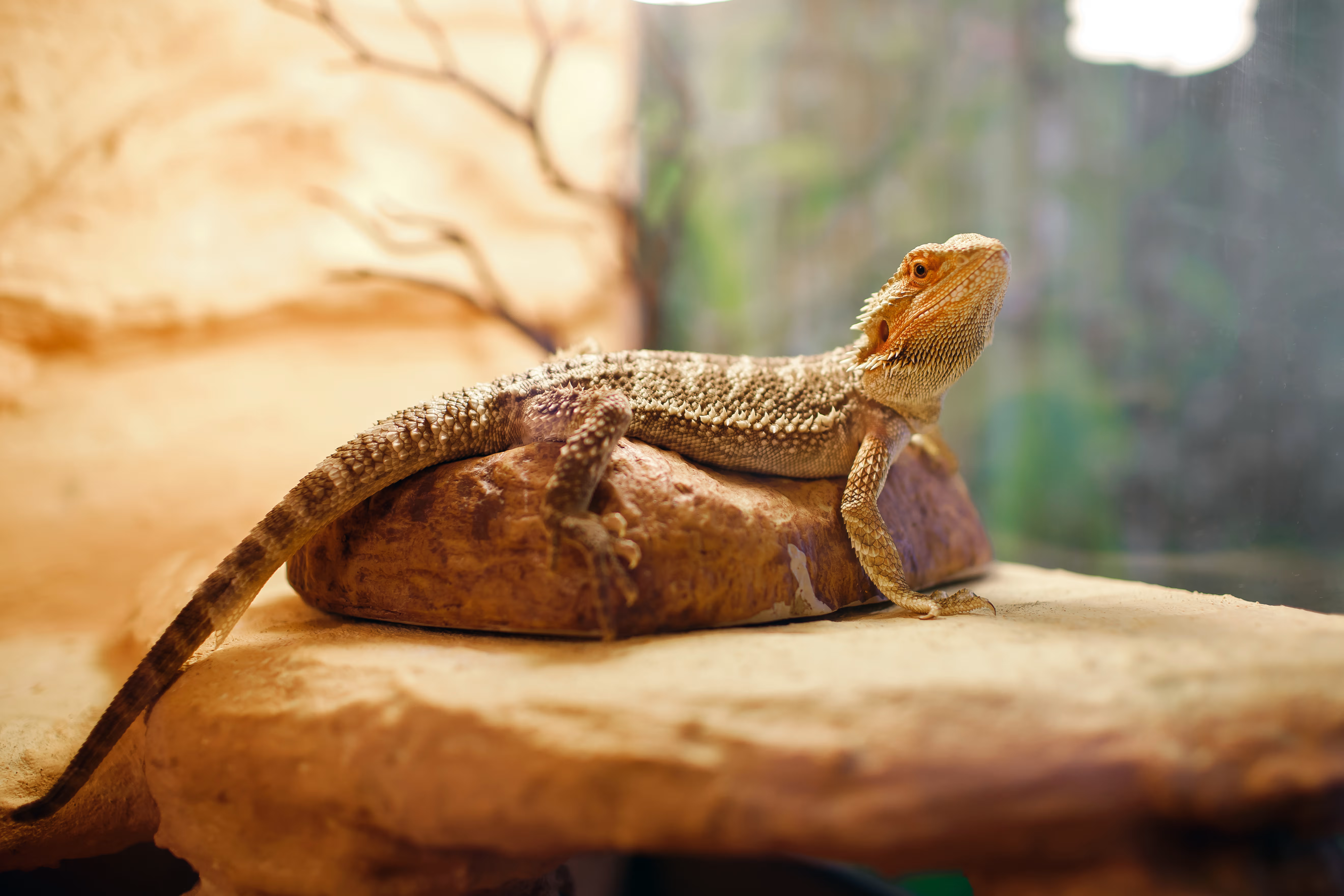
Learn how to care for arid lizards, recommended diet & habitat setup. Find the right food, supplies & equipment at your neighborhood Petco.
Updated on November 13th, 2025
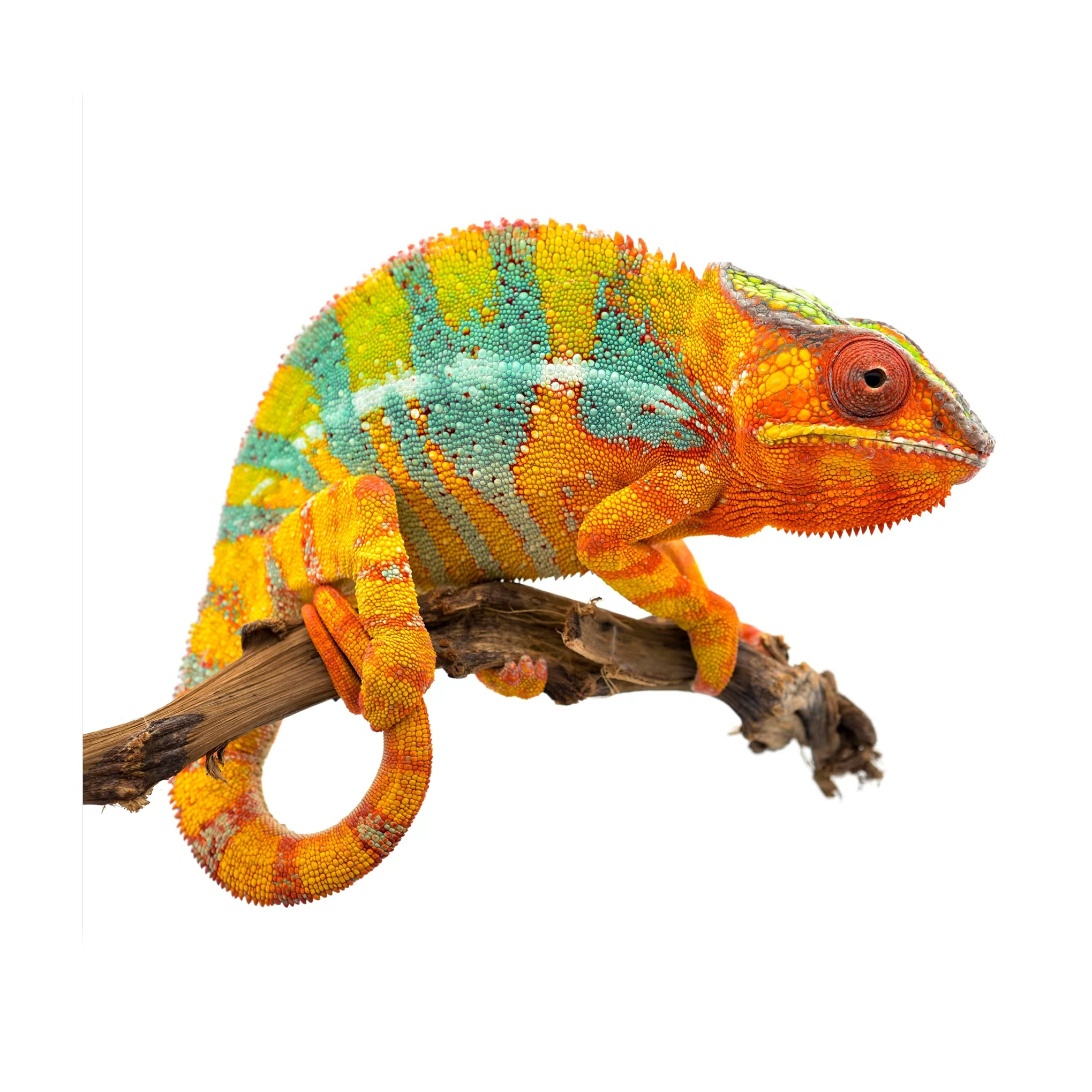
Learn how to care for warm climate Chameleons, recommended diet & habitat setup. Find the right food, supplies & equipment at your neighborhood Petco.
Updated on November 13th, 2025
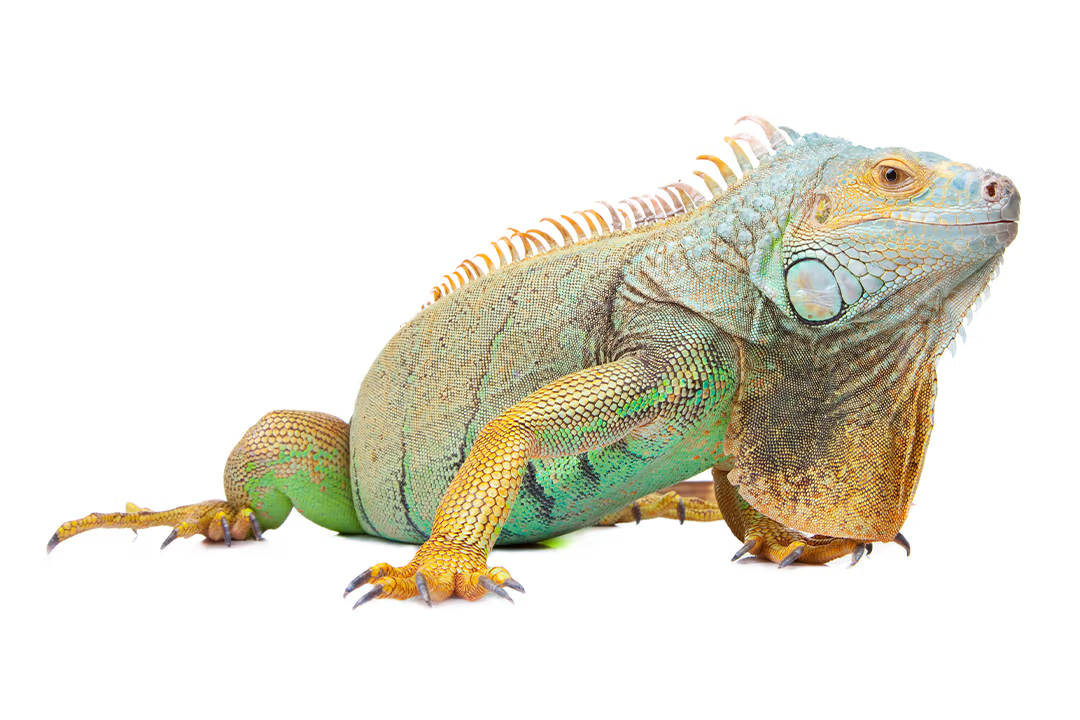
Learn how to take care of your Tropical Iguanas, recommended diet and housing setup. Find the right food, supplies and equipment at your neighborhood Petco.
Updated on November 13th, 2025
Search Petco for the differences between male and female geckos and how to tell them apart. Help keep your reptile healthy and happy with our tips.
Updated on November 13th, 2025
Leopard geckos are great "starter" reptiles. They don't require special lighting (UVB) like other reptiles. A 20 gallon tank is big enough for one. Add a heat source, hides and a water bowl and you are good to go. You can review gecko care at the links below. http://www.reptilesmagazine.com/Care-Sheets/Lizards/Leopard-Gecko/ http://www.anapsid.org/leopardgek.html
Updated on August 12th, 2025
Thanks for reaching out about Blu. It sounds as if he is being secretive or scared. Is he housed alone? Is his terrarium in a high traffic area? If yes to either of these, that situation might have to be corrected. Check environmental temperature in the whole exhibit. Good luck.
Updated on August 12th, 2025
Ideally, she should be physically examined by your veterinarian, at the nearest veterinary ER or by a vet experienced in treating reptiles. If this is not possible, get her under a heat lamp to start warming her up. You can also soak her in a warm 50/50 solution of water and unflavored PediaLyte for 15-20 minutes. Afterwards, clean the tail stump with a diluted Betadine or chlorhexidine (Hibiclens) solution. Dab a bit of triple antibiotic ointment on it after each cleaning. Clean it gently once daily and dry thoroughly afterwards. Keep her on paper towels and change it daily. Pick up some Fluker's Repta Boost and use that to feed her initially. When she is more active, you can introduce prey slowly. She may eventually regrow her tail. Even with care, she may not recover. It cannot be determined without a physical exam. https://www.petco.com/shop/en/petcostore/product/flukers-reptaboost-insectavore-and-carnivore-high-amp-boost
Updated on August 12th, 2025
You can also try crickets or dubia roaches. Make sure any prey is appropriately sized, no bigger than the space between the eyes. At his age, you're going to be feeding pretty small prey. Check the temps in the enclosure also. Low temps can affect appetite in reptiles. Soak him in a warm 50/50 solution of water and unflavored PediaLyte. This will provide warmth and may treat or prevent minor dehydration. You can also supplement with Fluker's Repta-Boost. Find it in the local Petco.
Updated on August 12th, 2025
It is likely he was stressed. Give him some time to settle down and he should be fine. Keep an eye on his feet and toes. If there is any discoloration, have him examined by your veterinarian or a vet experienced in treating reptiles.
Updated on August 12th, 2025